
Hello everyone!
Still thoroughly excavating Saitama Prefecture these days… it’s Nobuyo (@nobuyo5696)!
Following my last two posts, I’m still not tired of touring the hot springs in Ageo City.
I’ve just visited the very last of the three day-trip hot spring facilities in the city.
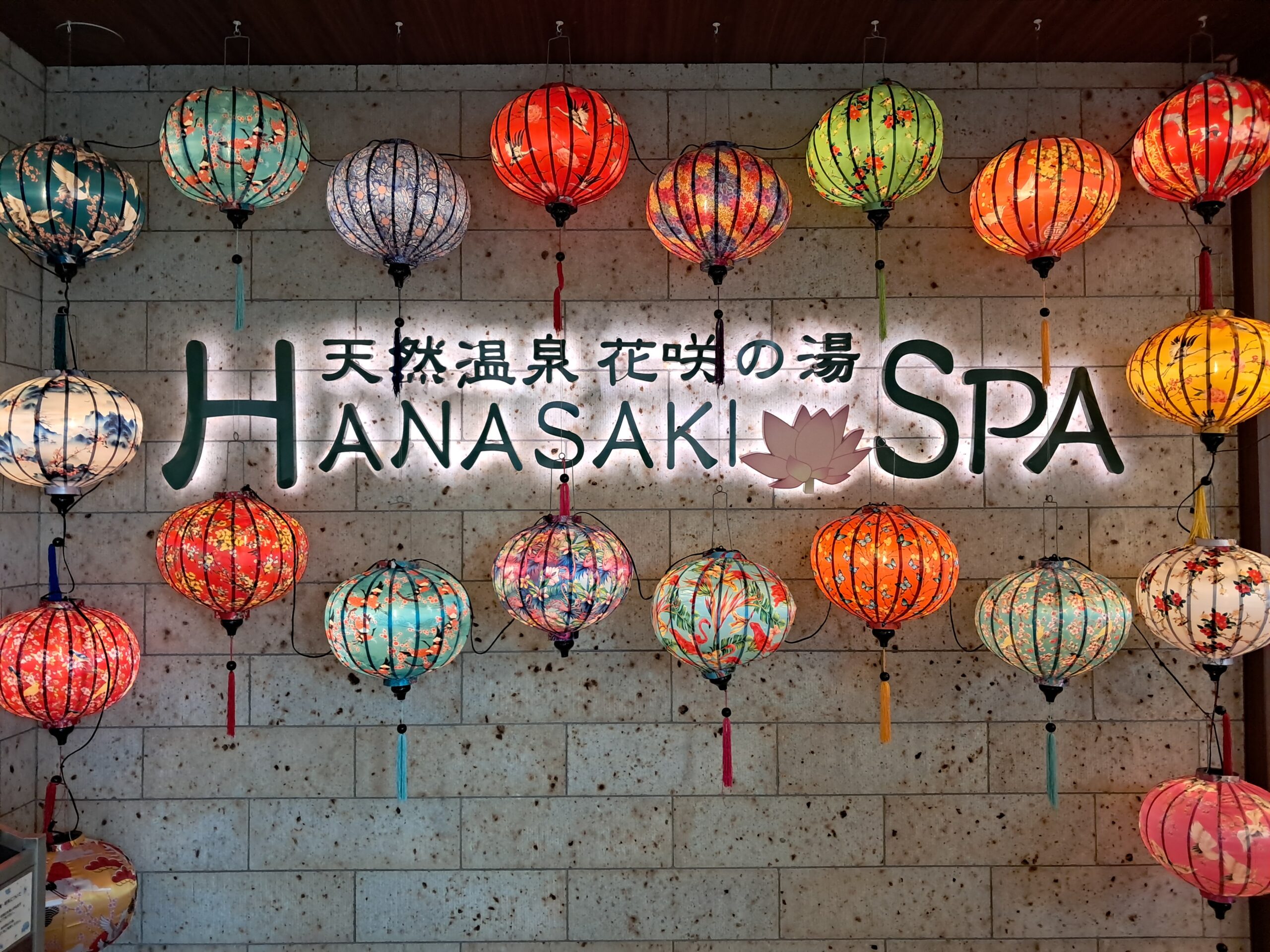
And that is Hanasaki no Yu (HANASAKI SPA), located in the Haraichi district in eastern Ageo.
Following the chaos of Gokurakuyu Ageo and the scorching sauna experience at Hibiki no Yu, this facility wraps up our Ageo hot spring trilogy.
With an “Asian Spa” concept, the interior exudes a somewhat exotic, mature atmosphere.
I was thoroughly satisfied with both the essential hot springs and the quality of the sauna.
The cleanliness of the building, the polite customer service, and the overarching concept heavily focused on “healing” were all fantastic. To give you the conclusion upfront: it was a remarkably good experience.
So, Hanasaki no Yu has become such a favorite of mine that it’s contending for the top spot in Ageo City.
I’ll be reporting in detail on what kind of facility it was and what exactly made it so great!
Basic Information on Hanasaki no Yu
What Kind of Place is Hanasaki no Yu?
Hanasaki no Yu is located slightly away from the central area of Ageo City.
Situated near the border with Saitama City, the surrounding vibe feels more like an “extension of Saitama City” rather than Ageo—an endless residential neighborhood.
The building itself is a two-story structure of decent size.
Its unique exterior seems inspired by Vietnamese French Colonial style. Based on the concept of an “Asian Spa-style day-trip hot spring,” an exotic and relaxing atmosphere permeates the entire facility.
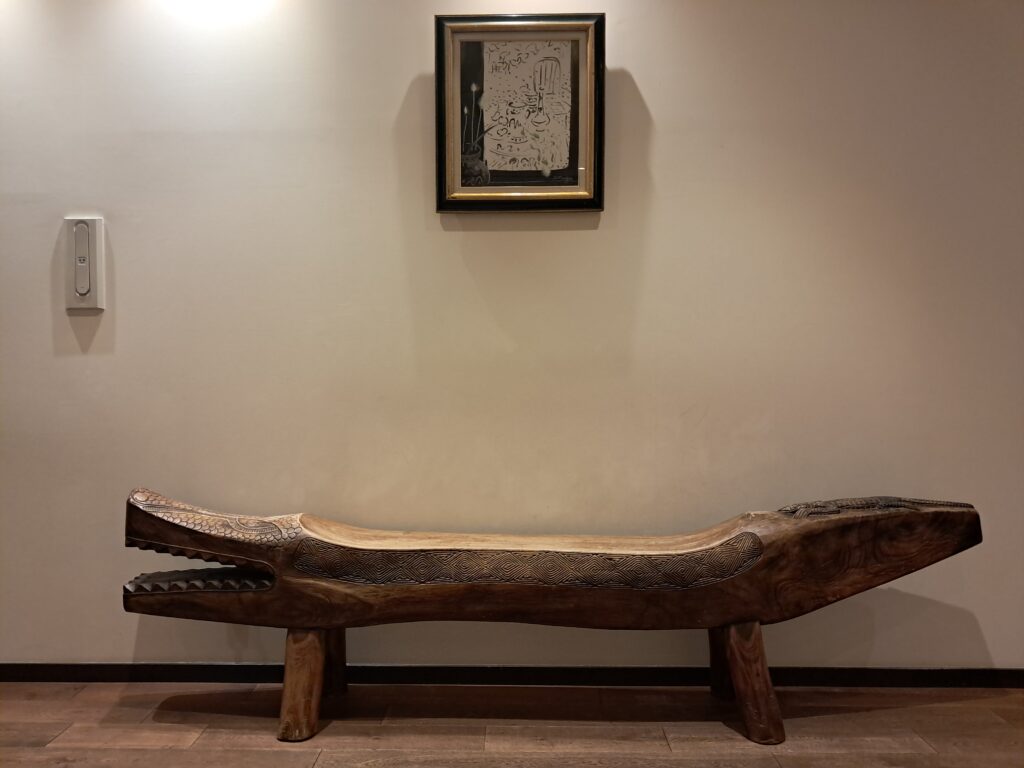
…But honestly, I personally felt a bit of half-heartedness, thinking, “Couldn’t they have gone all out with the exotic theme?”
The fact that it claims an Asian taste while still firmly retaining the folksy feel of a local *super sento* (public bathhouse) makes it feel strangely very “Saitama.”
The first floor houses the rest spaces, restaurant, and hot stone saunas (*ganban-yoku*), while the baths are on the second floor. Don’t worry, it’s fully equipped with an elevator.
Perhaps because of the hot stone saunas, the entire building feels just a tiny bit warm.
What impressed me more than anything else about Hanasaki no Yu was their overwhelming dedication to cleanliness.
The baths and locker rooms are cleaned at an incredibly high pace of once every 30 minutes, which makes you marvel, “They really go this far…!”
The elegant and polite customer service from the staff across the reception, restaurant, and bath areas also left a great impression.
They apparently have a rule to bow every single time they emerge from the backroom, which was honestly a bit moving to watch.
Furthermore, the fact that the cleaning staff for the men’s baths are all strictly male is a subtle but massive plus.
There are still so many hot spring facilities that use female staff to clean the men’s baths, even now in the Reiwa era… I’m the type who thinks, “It makes no sense for women to enter the men’s zone. Would the reverse be acceptable? Huh? Just end this Showa-era system already!” So I felt that Hanasaki no Yu is a facility that handles things properly in that regard.
Hanasaki no Yu: Hours | Prices | System | Facilities
The basic information for Hanasaki no Yu is as follows.
Its notable features are that the admission fee differs quite a bit between the member price and the general price, and that tattoos aren’t strictly banned. ▼
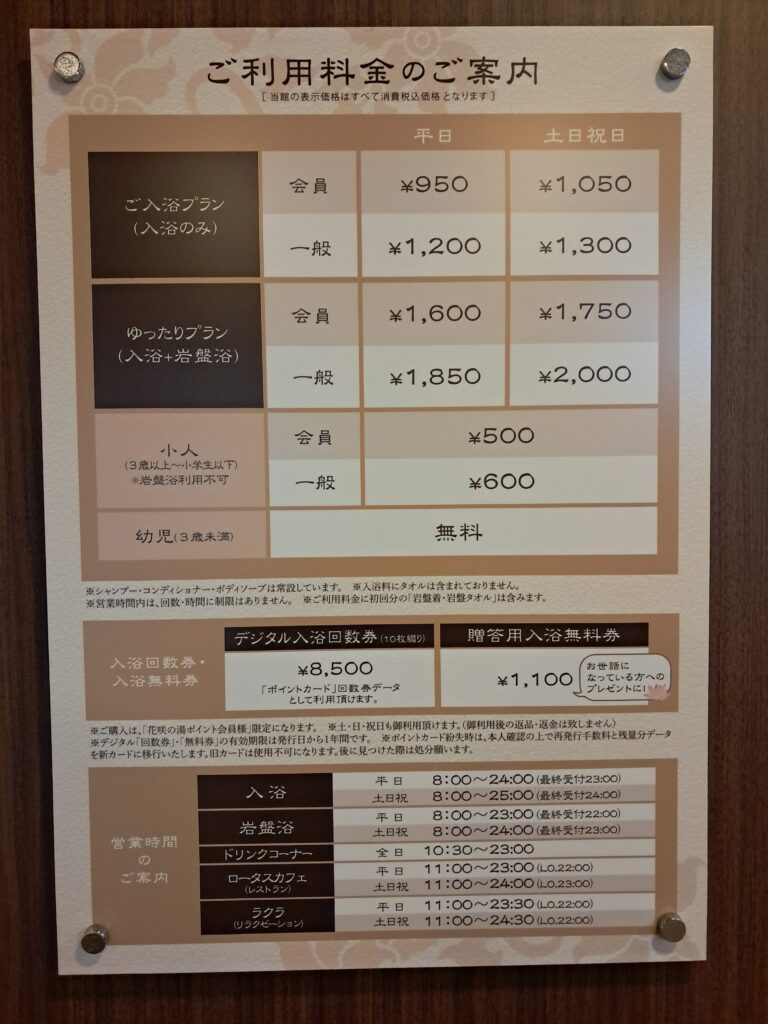
The first thing you should know is Hanasaki no Yu’s unique membership system.
If you pay a ¥300 joining fee, you can become a member right on the spot, and thankfully, there’s no annual fee.
The biggest perk of becoming a member is the significant discount on admission.
The gap between the general and member rates is quite large here, and becoming a member saves you ¥250 on both weekdays and weekends/holidays. In other words, if you visit twice or more, the membership pays for itself (I think it’s a pretty smart business model).
There are a few other members-only services, including member coupon booklets (10 tickets for ¥8,500) and a point system. If you plan to visit a few times, joining right away gives you a massive sense of value.
Conversely, the general price for first-timers feels a bit expensive, so my honest thought is, “This feels a bit punishing for newcomers…” (It’s a really great facility that I definitely want to revisit, so I really should have just become a member…)
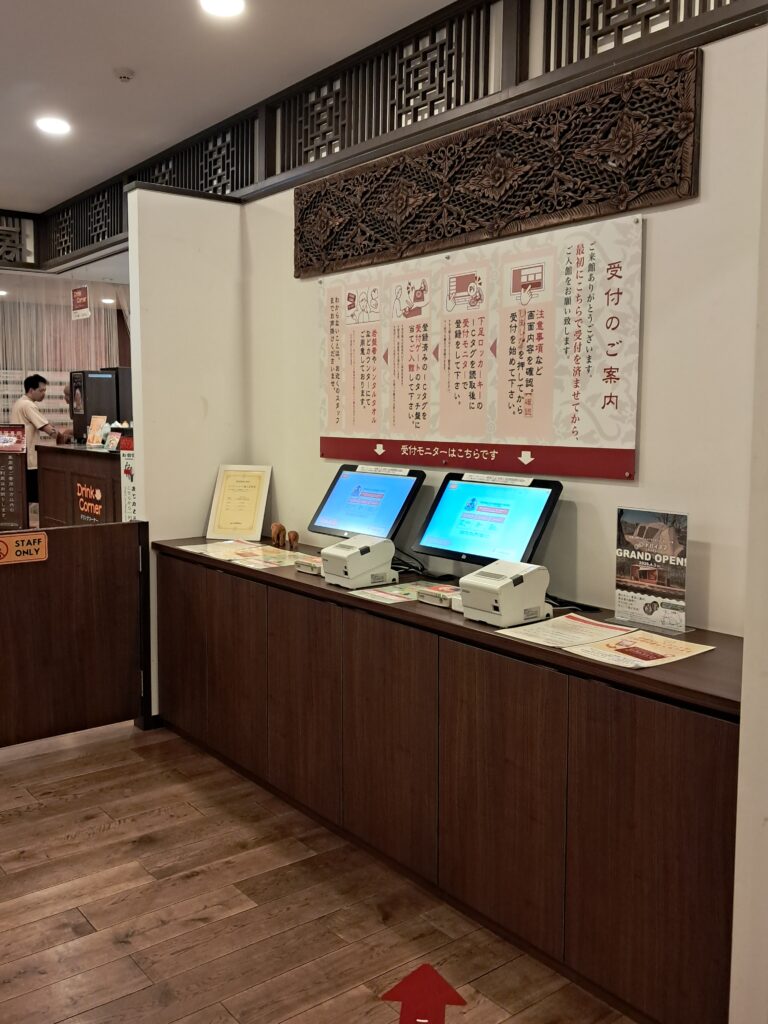
Hanasaki no Yu has introduced a modern system, making it almost entirely self-service.
Upon entering, you operate an unmanned automated reception terminal yourself, and when leaving, you simply settle your bill at a different automated checkout terminal.
If you want to add a towel rental or hot stone sauna, you’ll need to go to the staffed counter located further inside to process it, but if you’re just taking a bath, it’s completely self-service.
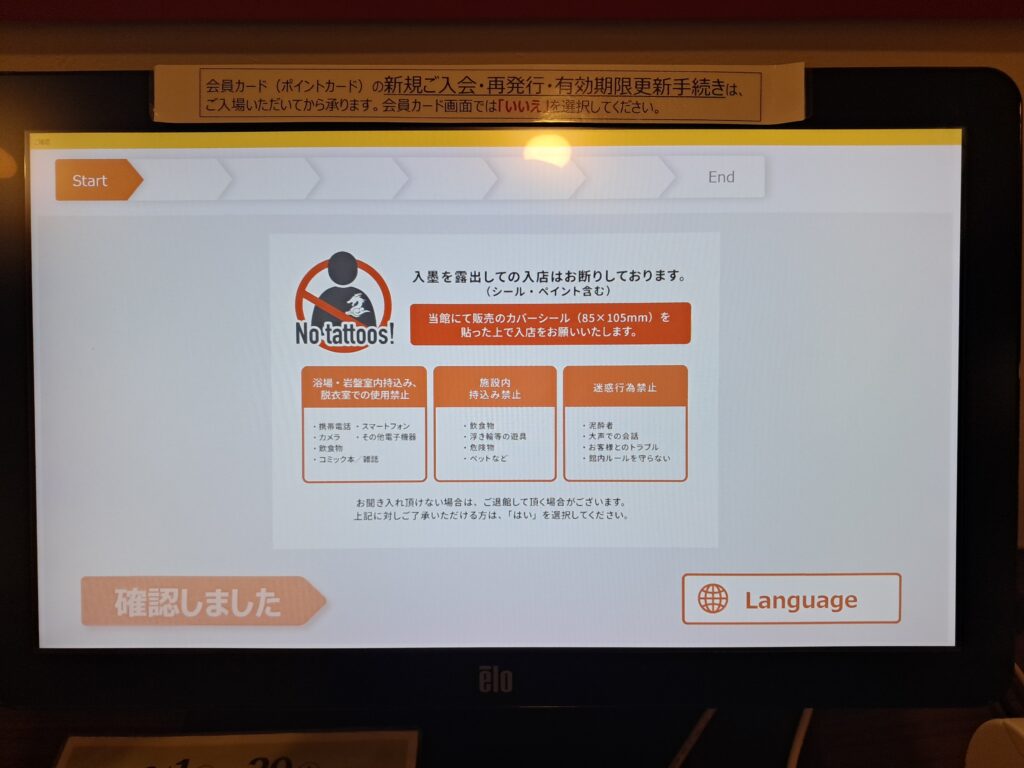
One thing that bothered me was the slightly confusing operation of the reception terminal when entering.
It’s finely categorized into general prices, member prices, etc., causing first-timers to freeze up and think, “Huh? What am I supposed to press…?”
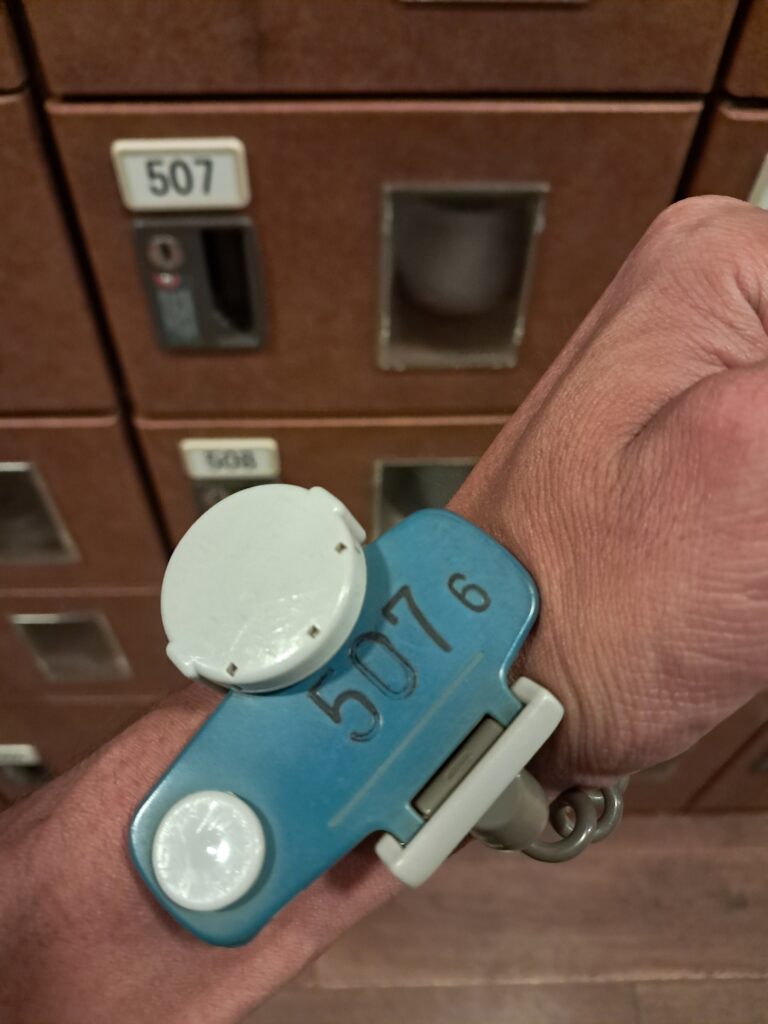
Once you clear the terminal operation, the rest is your typical day-trip hot spring system.
Your shoe locker key acts as your in-facility payment wristband, allowing you to dine at the restaurant just by presenting it. It’s a post-payment system where you pay for your admission and all your food and drink expenses upon exiting.
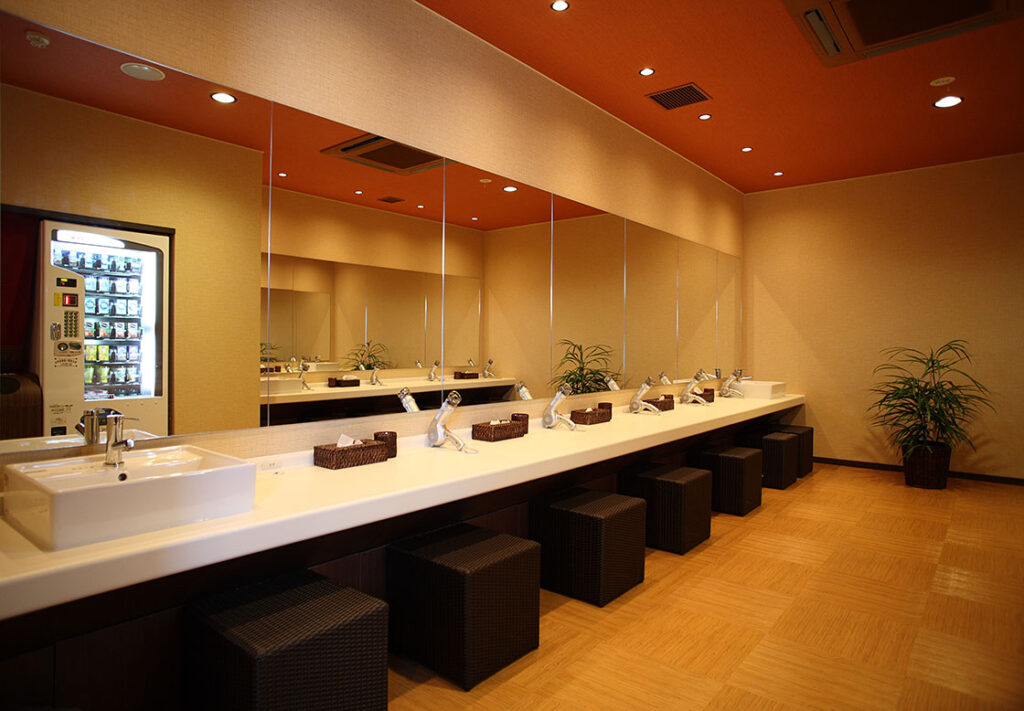
The thoughtful attention to detail at Hanasaki no Yu also leaves a great impression.
They actually provide toner and lotion in the men’s changing room (and in four different varieties, no less!), the lockers are split into two tiers to easily store your belongings, and the hair dryers seem to be high-quality, modern models… Little touches like these really elevate customer satisfaction.
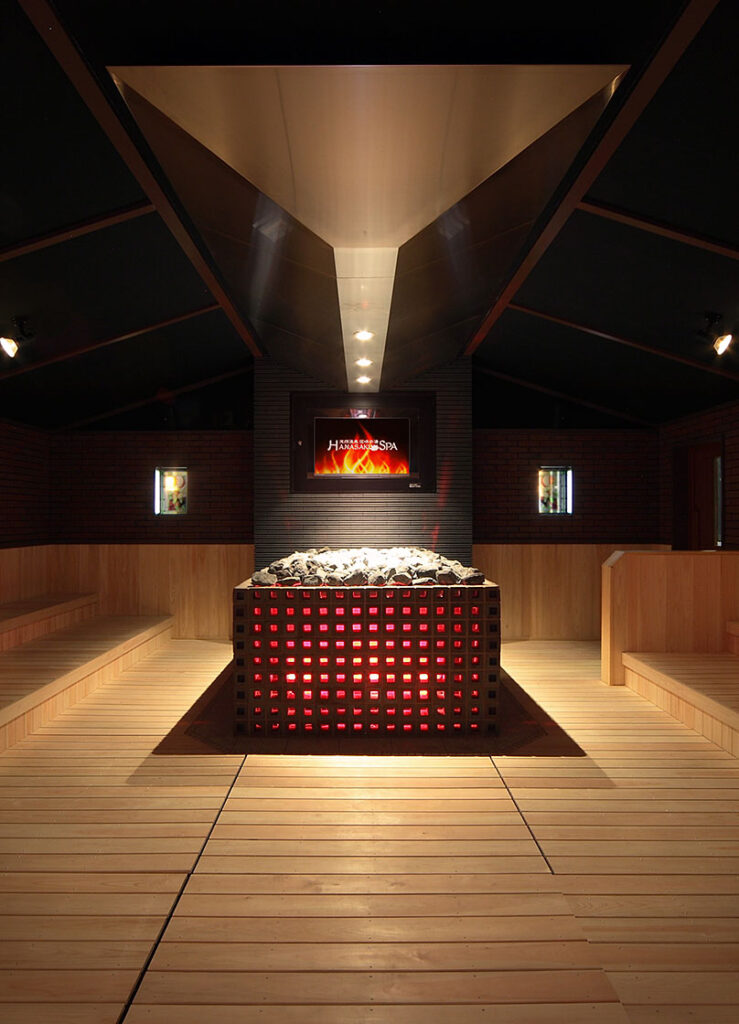
Furthermore, Hanasaki no Yu features a hot stone sauna (*ganban-yoku*) area on the first floor.
It’s not just a half-hearted “let’s throw in a hot stone sauna too” situation; it boasts a rich lineup of 3 rooms and 7 varieties. The fact that you have completely unlimited time and entries is apparently a huge reason for its popularity.
The Bath + Hot Stone Sauna set (includes special wear and mat) is quite reasonably priced at ¥1,850 on weekdays/¥2,000 on weekends & holidays for general admission, and ¥1,600 on weekdays/¥1,750 on weekends & holidays for members.
Considering this gets you unlimited time, I think it’s extremely generous and absolutely perfect for anyone wanting to spend a whole day relaxing.
Hanasaki no Yu’s Water Quality | Heating System
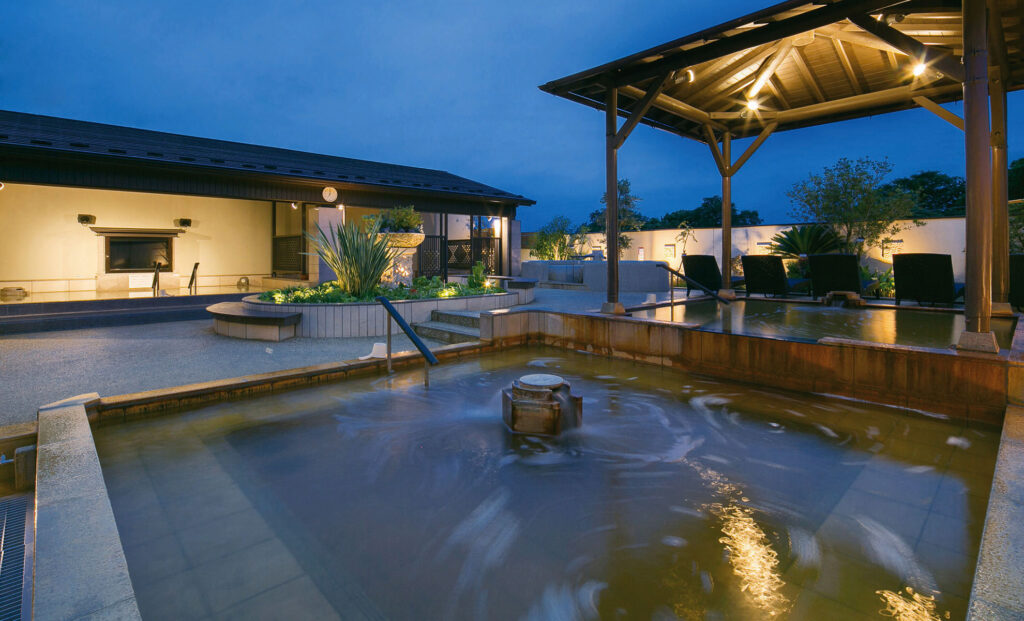
Hanasaki no Yu pipes in natural hot spring water welling up from underground, and its quality is a sodium-chloride spring (hypotonic, weakly alkaline).
The source temperature is a perfectly pleasant 38.5°C, and the beautifully cloudy, brownish water is rare for Saitama Prefecture (where most hot springs tend to be clear, making cloudy water hard to find).
Because it’s weakly alkaline, the water has a slight slickness to it, characterized by a faint saltiness and a subtle iron-like aroma.
Comparing it to other Saitama hot springs, it’s similar to Nagomi no Yu in Kuki City, though I felt the iron scent at Hanasaki no Yu was a bit stronger.
Anyway, the texture of the water is absolutely stellar, clinging to your skin and slowly seeping deep into your body.
Most of the baths are on the lukewarm side, making it perfect for those who love to soak lazily for a long time (personally, I prefer slightly hotter water, but the water quality itself is premium!)
If I had to point out one downside, it would be that all baths other than the 38°C free-flowing (*kakenagashi*) lukewarm source bath in the open-air area are heated via a circulation system, meaning the chlorine smell is a bit more noticeable.
You won’t smell chlorine in the free-flowing lukewarm bath, and its mineral content is incredibly dense, so it’s a smart strategy to make that one your main base!
Hanasaki no Yu: Crowds | Demographics | Best Times to Visit
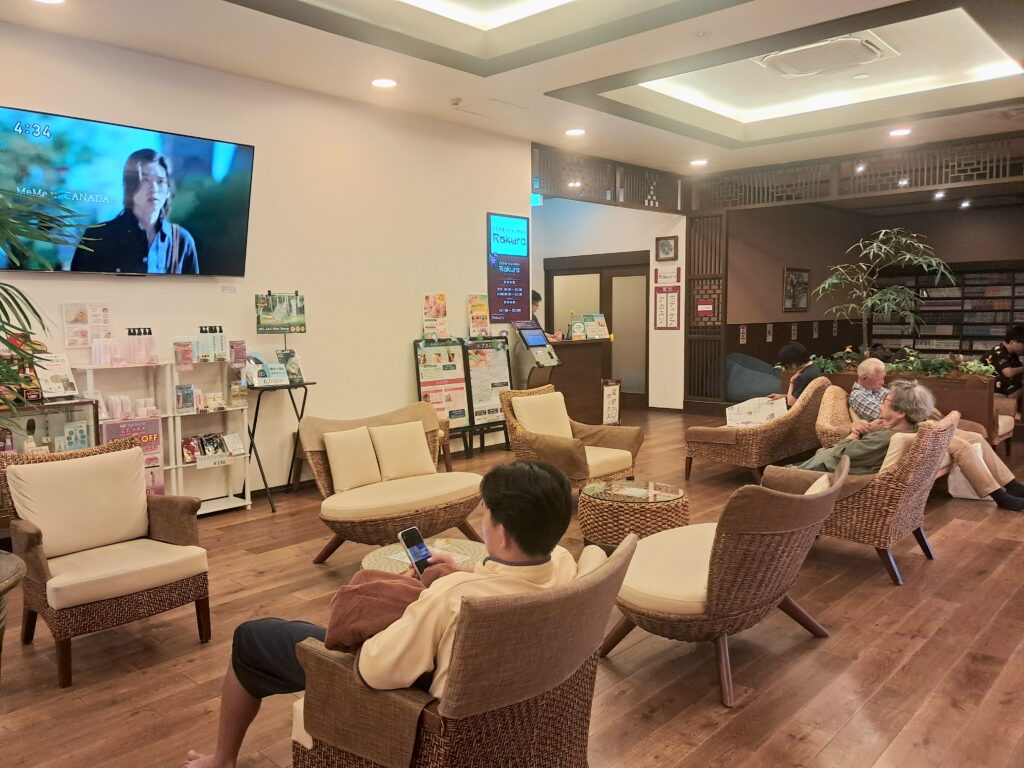
The building itself is of decent size, but it seems to have deep-rooted popularity among locals. I got the impression that no matter what time you go, there are always a fair number of people.
It was decently busy even on a weekday, so I imagine weekends get quite packed.
The weekday peak hits around 18:00 to 20:00. It gets slightly better after 20:00, but interestingly, a good number of people stick around until late.
If you want to enjoy the hot springs with as few people as possible, I recommend going earlier, before 18:00 (I especially noticed a sudden, temporary drop in crowds for about 30 minutes right around 18:00).
The main demographic here consists of solo visitors and couples, heavily skewing towards relatively young office workers in their 20s to 40s.
Perhaps because the “Asian Spa” concept aims at adults, there are very few noisy student groups, families with children, or elderly folks with terrible manners (I did a little dance of joy over this).
Compared to other hot springs in Ageo, the proportion of solo visitors is remarkably high at Hanasaki no Yu.
Maybe because not many people linger for a long time alone, I witnessed a mysterious phenomenon where the baths were quite busy, yet the restaurant and rest areas remained relatively empty.
Throughout the facility, from the baths to the lounge, there aren’t any strict posters or rules banning conversation.
Even so, perhaps because the clientele is mature and calm, there were absolutely no moments where I felt annoyed by noise.
Access to Hanasaki no Yu
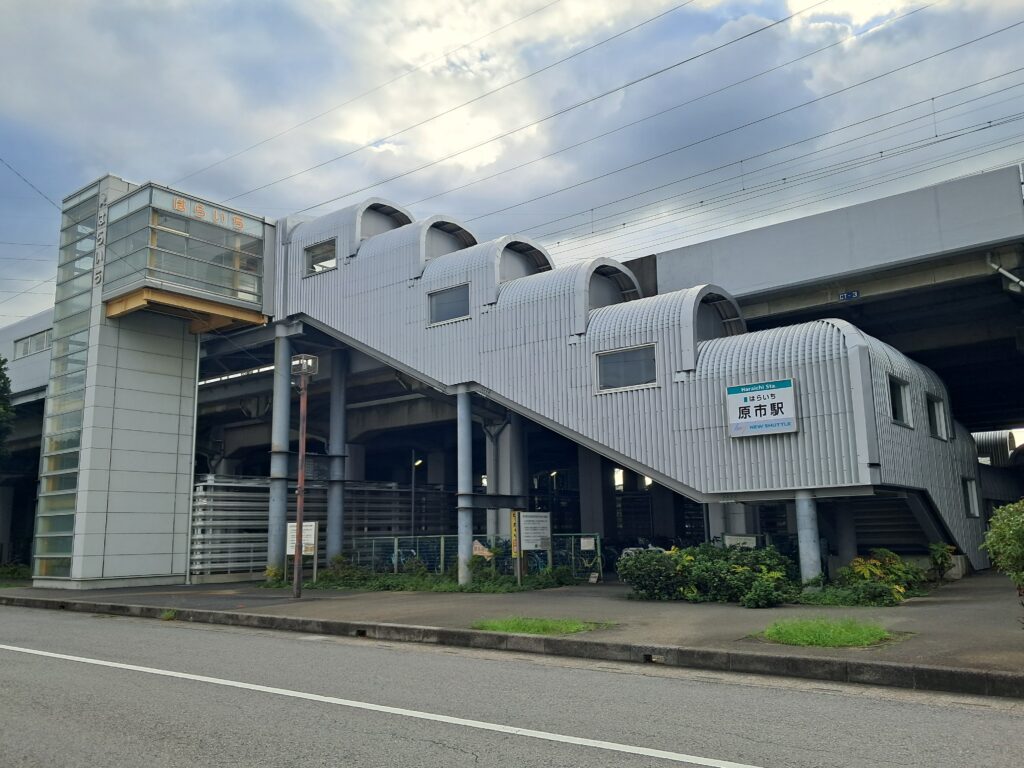
The nearest station to Hanasaki no Yu is Haraichi Station on the Saitama New Urban Transit New Shuttle.
It’s a 5-minute walk from Haraichi Station, so the access itself isn’t bad.
However, the slightly obscure “New Shuttle” line isn’t exactly the most convenient to use.
To catch the New Shuttle, you inevitably have to route through Omiya Station, and having to transfer there is a bit of a hassle.
▶ Tokyo Station to Omiya Station: Approx. 30 mins via various JR lines -> 15 mins to Haraichi Station via New Shuttle
▶ Shinjuku Station to Omiya Station: Approx. 30-40 mins via JR Shonan-Shinjuku Line -> 15 mins to Haraichi Station via New Shuttle
▶ Omiya Station to Haraichi Station: Approx. 15 mins via New Shuttle | ¥240
Since Hanasaki no Yu is located near National Route 16, accessing it by car is highly convenient.
With roughly 280 free parking spaces right on the premises, driving might just be the best way to get there after all.
Infiltrating Hanasaki no Yu!
Now that you have a rough idea of what Hanasaki no Yu is about, let’s head to the baths… !
From here on out, I’ll provide a detailed report featuring my real impressions from experiencing it firsthand, including my honest thoughts on what they could have done better.
Reception
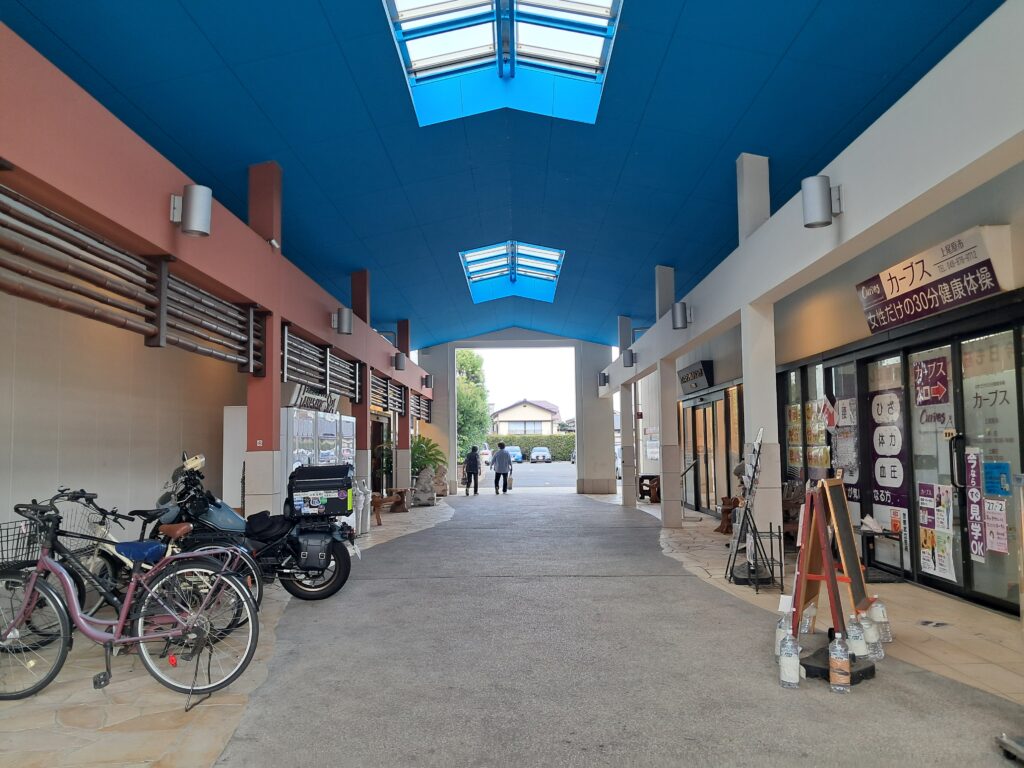
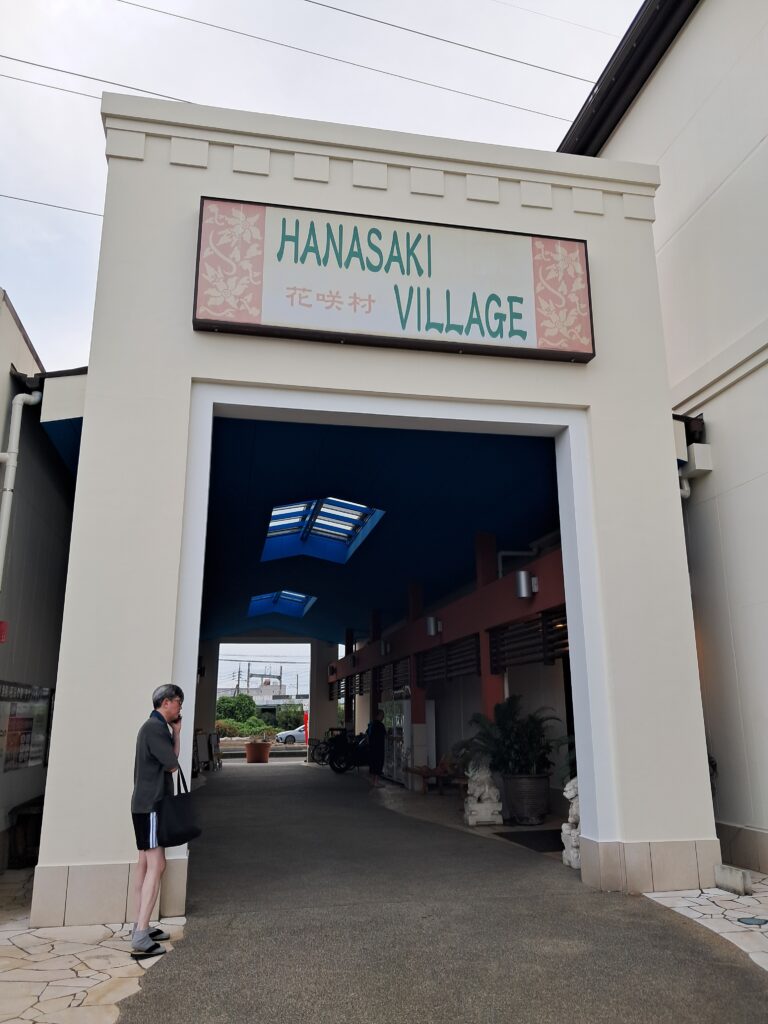
The entrance to Hanasaki no Yu is located in a spot resembling a mini arcade shopping street.
It seems this street and the bathhouse are treated collectively as a complex called “HANASAKI VILLAGE,” but it’s way too small to be called a shopping center. I’m honestly not entirely sure what they’re aiming for here…
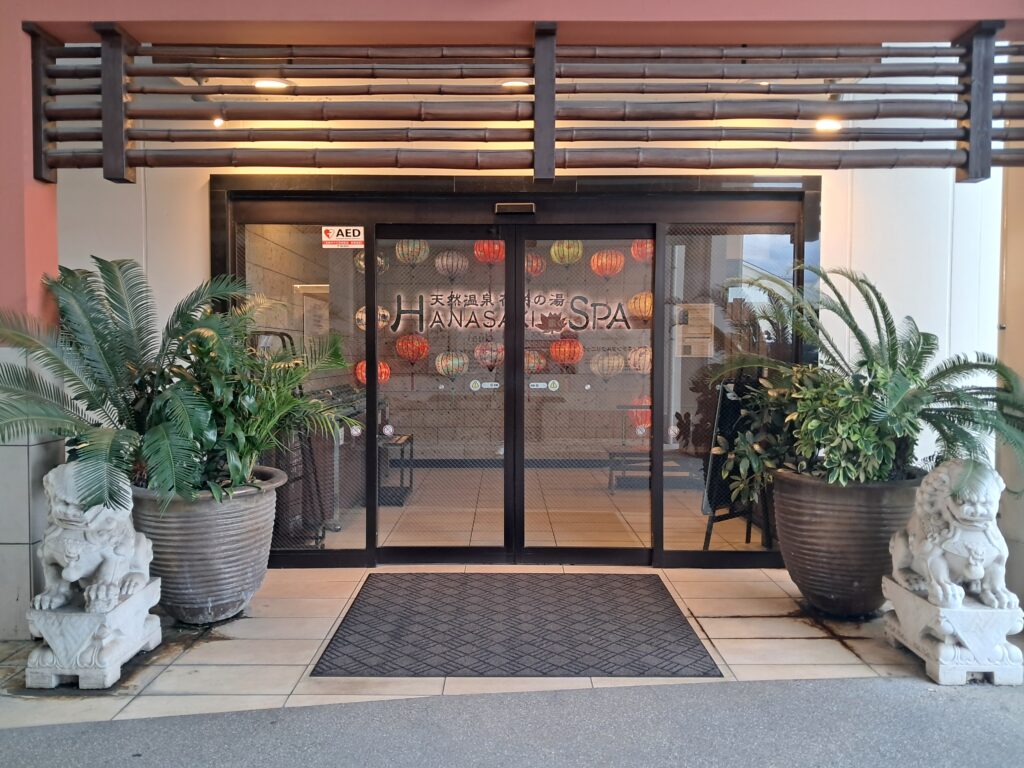
Stepping inside, you’ll find the shoe lockers. Just operate the unmanned terminal beyond them to complete your check-in.
You only need to visit the staffed counter further in if you want to add towels or hot stone saunas. If not, you can head straight upstairs to the large baths.
As I mentioned earlier, the terminal interface is slightly confusing, leaving me wondering, “Huh? What am I supposed to press…?”
If you want to become a member, the process seems to be: “Complete the terminal operation at the general price first -> Process your membership at the staffed counter inside.” Yeah, it’s confusing…
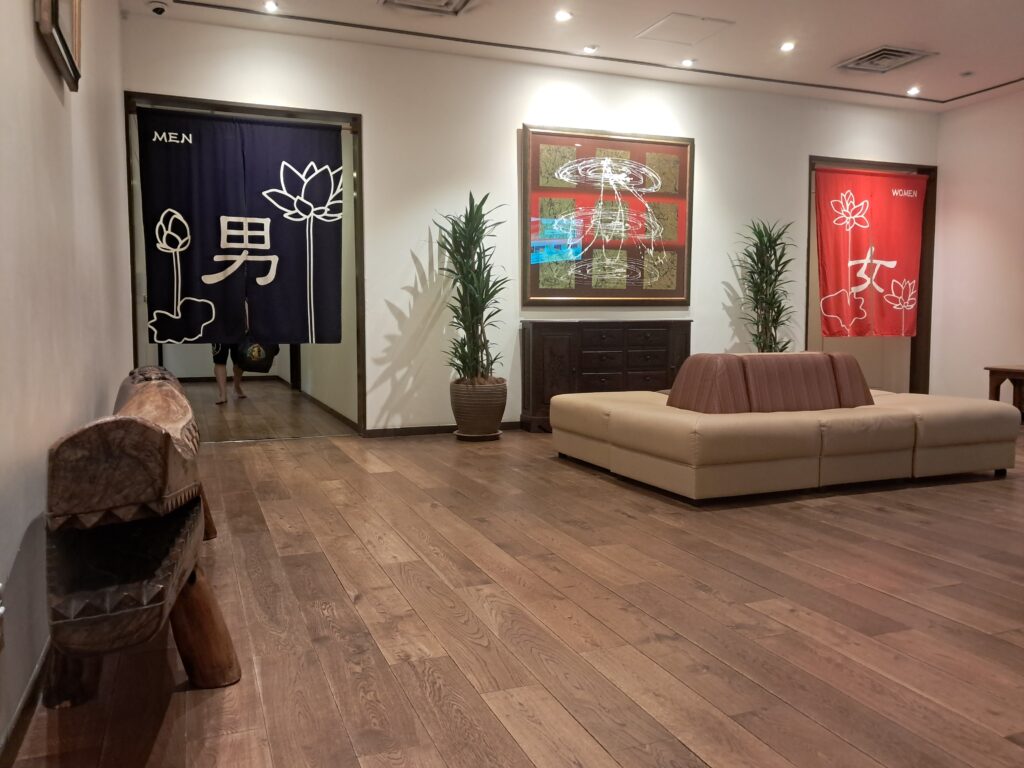
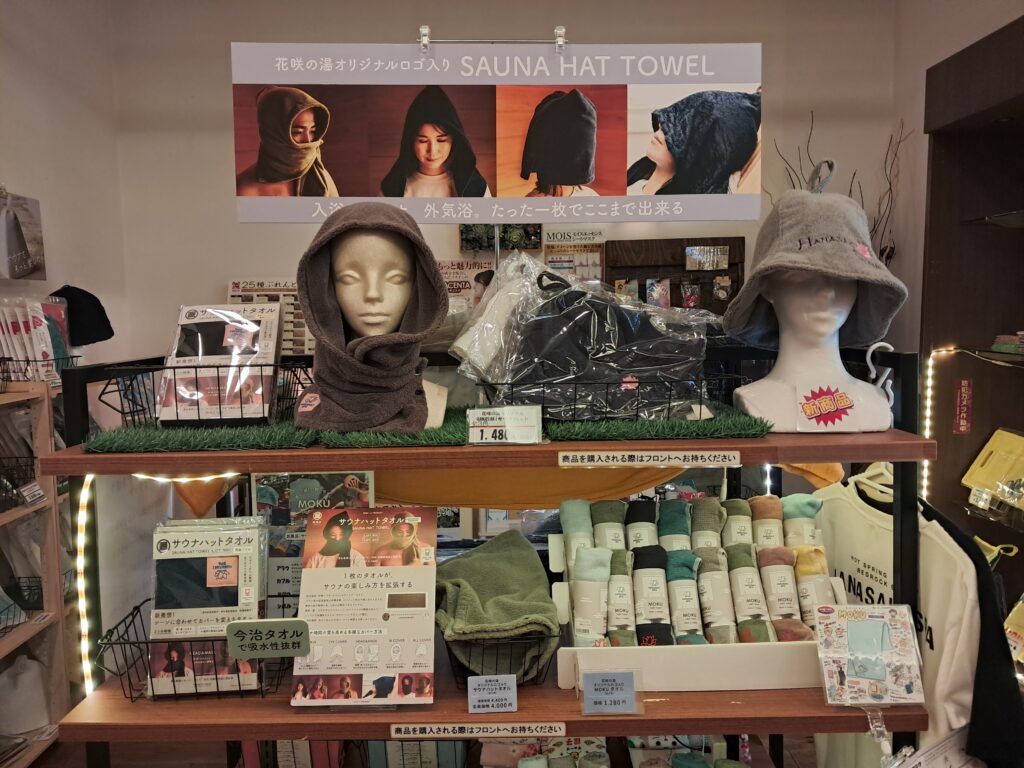
Right after checking in, you’re greeted by a spacious lobby and lounge area, with the restaurant and reclining spaces located further back.
The hall features a small shopping corner stocked with original sauna goods and more. ▼
One thing I noticed immediately upon entering was how thoroughly polite the staff at Hanasaki no Yu are.
Most of them are young, but they all carry a soft, refined demeanor. You can genuinely feel a sense of luxury befitting a spa.
It’s a universal truth that great customer service naturally boosts your impression of the facility itself.
Coupled with the frequency of bath cleanings, their strong determination to maintain a beautiful, high-quality space came across loud and clear.
Spacious Open-Air Baths and Fully Equipped Indoor Baths
Asian-style Open-Air Bath Area
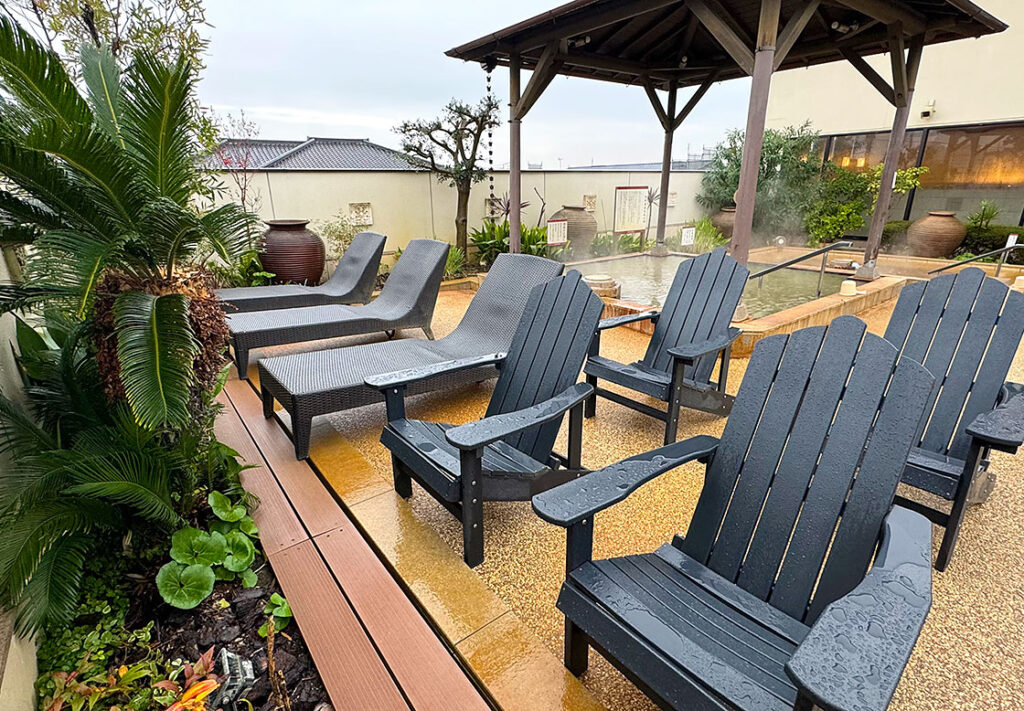
The main baths at Hanasaki no Yu are structured to connect the changing rooms, indoor baths, and open-air area seamlessly.
The central open-air area is adorned with Asian-style pots, mysterious ornaments, and tropical plants, resulting in a space where they clearly put a lot of effort into setting the mood.
The footprint of the outdoor area is fairly average for a hot spring in Saitama.
While it isn’t exceptionally massive, perhaps because each bath is completely independent, it doesn’t feel cramped in the slightest, offering a superb sense of openness.
Additionally, ample margins are left for walkways and resting spaces, ensuring it doesn’t feel cluttered—a huge plus.
Even though there’s a decent crowd making the place lively, mysteriously, you don’t feel the stress of being in a crowded space.
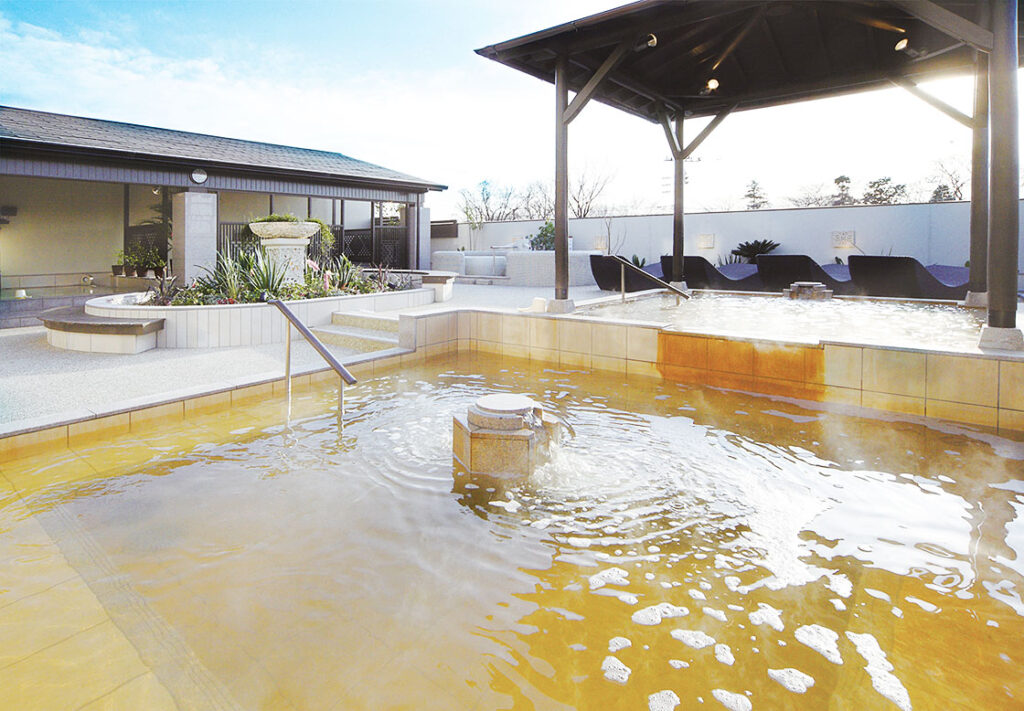
The main baths in the open-air area are the 38°C Free-flowing Lukewarm Bath and the 41°C Circulating Hot Bath.
The two baths are installed to connect via an elevation drop.
The higher Free-flowing Lukewarm Bath is the only unheated, 100% free-flowing (*kakenagashi*) bath in Hanasaki no Yu.
The 38.5°C source water flows directly into the tub, making it perfectly lukewarm so you can soak forever without overheating.
The weakly alkaline, cloudy brownish water features a faint slickness, a touch of salt, and a subtle iron scent.
Both its appearance and texture make the minerals feel dense, and the water quality is incredibly good. The way it clings to your skin is amazing, and you can hardly detect any chlorine smell at all.
The lower Circulating Hot Bath boasts the hottest water in the facility.
Maybe everyone just prefers lukewarm water, because this one doesn’t seem very popular and is almost always empty.
Because it uses a circulation system, it’s a bit disappointing that the chlorine smell is stronger compared to the lukewarm bath.
However, the temperature is spot on, and being able to hog a large tub all to yourself at any time is a fantastic perk.
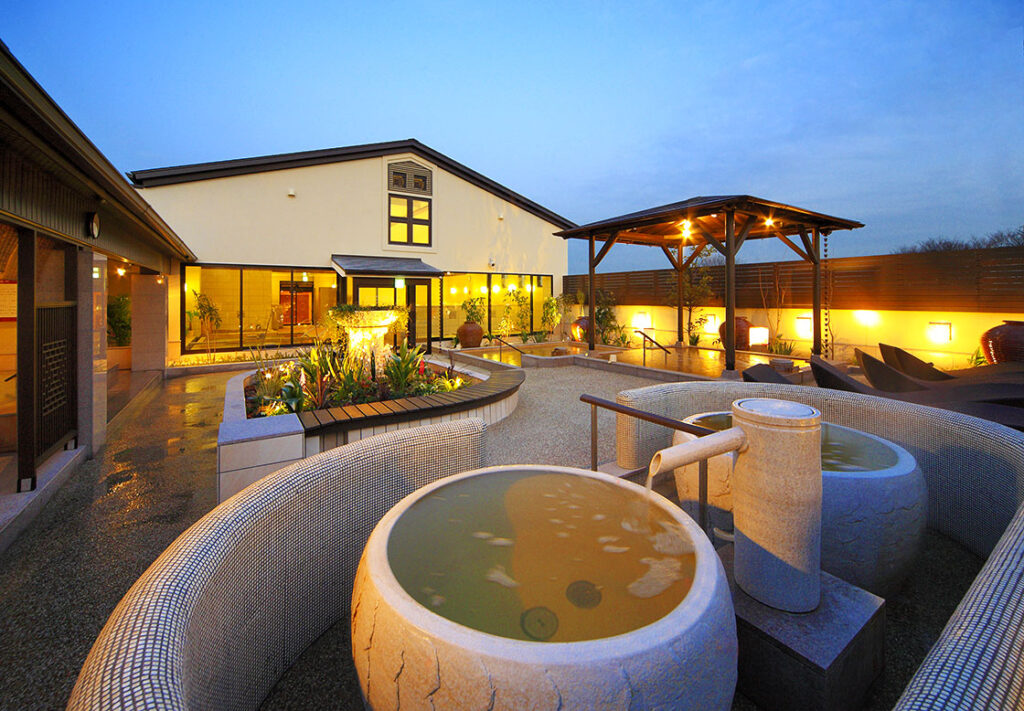
Just past the lukewarm bath are two Pot Baths (*Tsubo-yu*) sitting around 40°C-41°C.
Tucked away in the deepest corner of the open-air area, they offer a nice sense of privacy, which is great.
However, the two tubs are placed somewhat close together, so it might feel a little awkward if a stranger hops into the pot right next to you.
Perhaps because the tubs are small, the chlorine smell felt a bit stronger, which was a shame.
Still, with an unobstructed view of the open sky right above you, it’s wonderful to fully savor that sense of freedom unique to an outdoor bath.
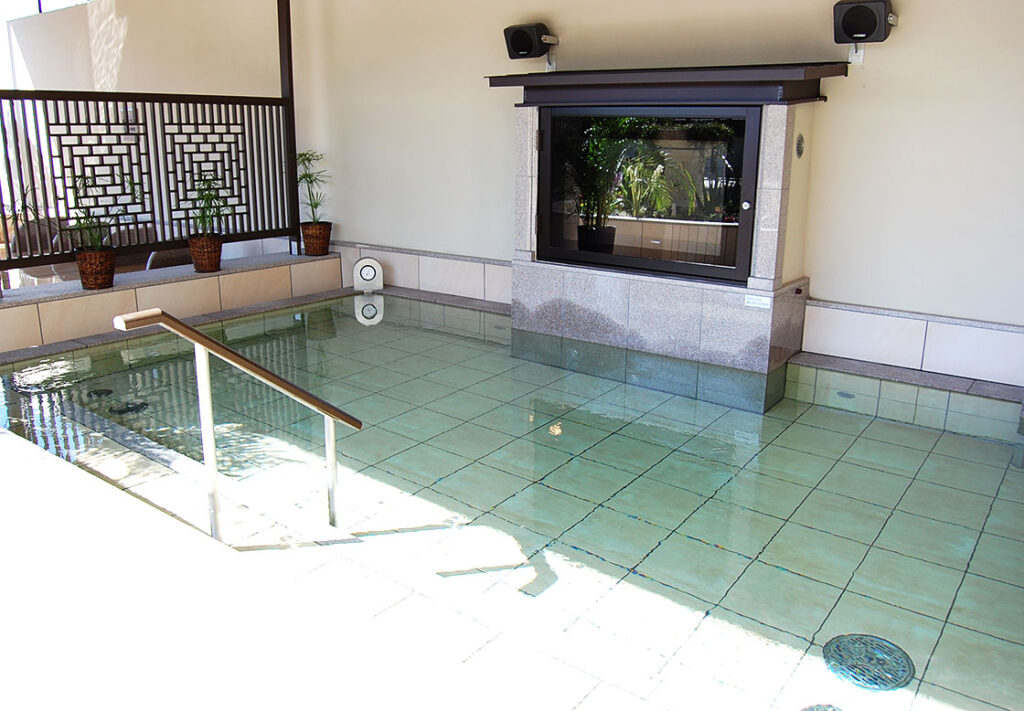
Located in a covered space at the edge of the outdoor area is the 39°C-40°C Carbonated Spring.
This bath doesn’t use hot spring water, and its defining trait is being somewhat hotter than your average carbonated bath.
Since it’s the only spot besides the sauna with a TV, it’s popular and always has people in it. But because the tub is quite large, it still feels spacious, which is a major plus.
The carbonation isn’t too aggressive, allowing you to warm up gently and steadily.
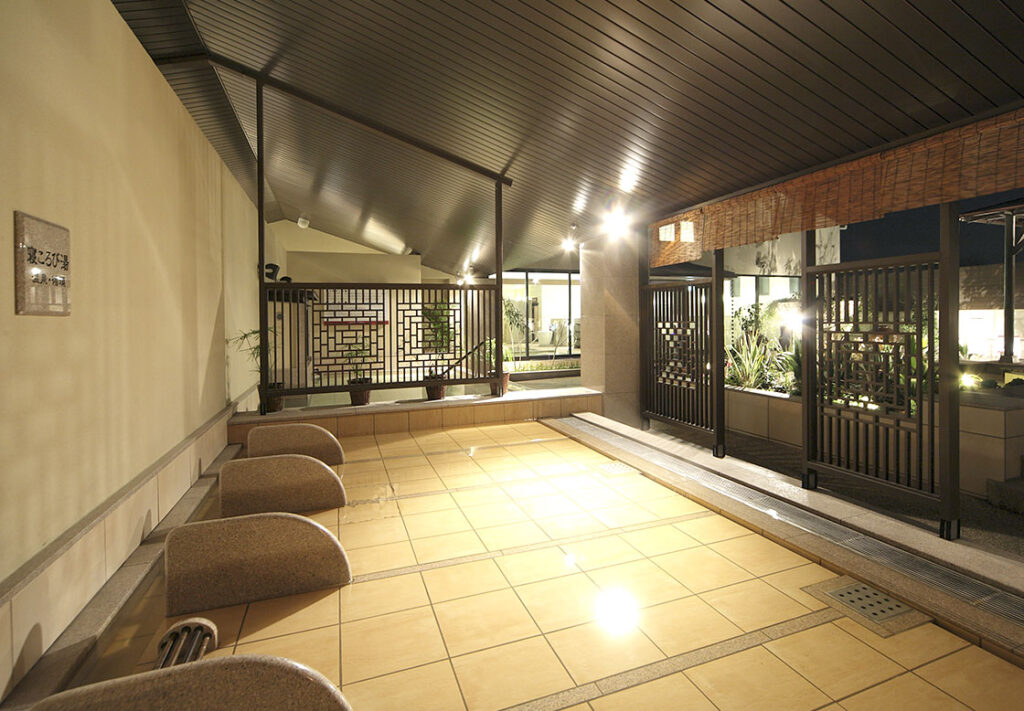
Connected to the carbonated spring is the 39°C-40°C Lie-down Bath (*Neyu*).
It fits 7 people, and at about 20cm deep, it holds a bit more water than standard lie-down baths. This creates the absolute perfect depth for a half-body soak, giving it exceptional quality as a lie-down bath.
The floor is made of stone, but perhaps because of the water depth, it doesn’t hurt your back at all—highly recommended.
It’s positioned slightly tucked away within the open-air area, shielded from view by plants and wooden walls. Being able to completely relax without worrying about prying eyes is fantastic.
Personally, I think it’s one of the best lie-down baths around, but strangely, it wasn’t popular and felt like my own private tub.
Lie-down baths are almost always crowded everywhere else, so maybe the people of Ageo just have slightly different tastes…?
Indoor Bath Area Packed with Spa-style Tubs
The indoor bath area at Hanasaki no Yu is a bright, airy space, characterized by an atrium-like high ceiling and large glass windows separating it from the outdoor section.
None of the tubs here use hot spring water, but in true spa fashion, the lineup of attraction-style baths is massive! And all of them boast impressive quality.
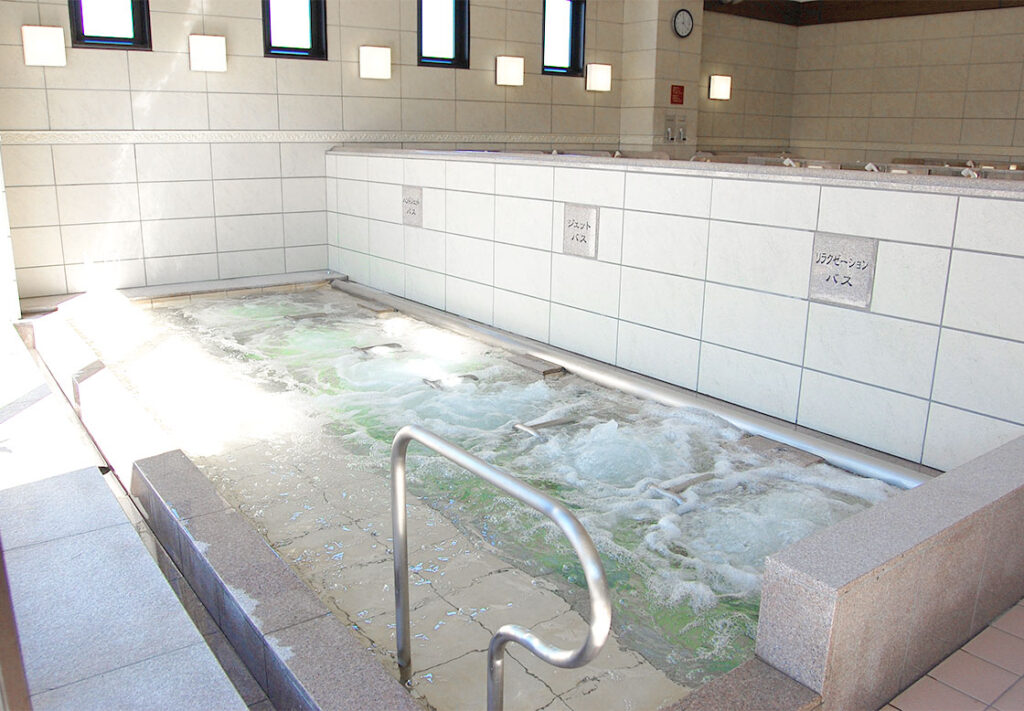
Placed with a view of the outdoor area, the Relaxation Bath is a classic jet bath with 6 seats lined up side-by-side.
It features multiple jets placed at the perfect angles, with water pressure that hits just right, deeply massaging all the pressure points across your entire body.
The headrests utilize a cooling pipe system, allowing you to soak for a long time without overheating—a big plus.
Lounging around while gazing out at the open-air scenery earns this spot high marks.
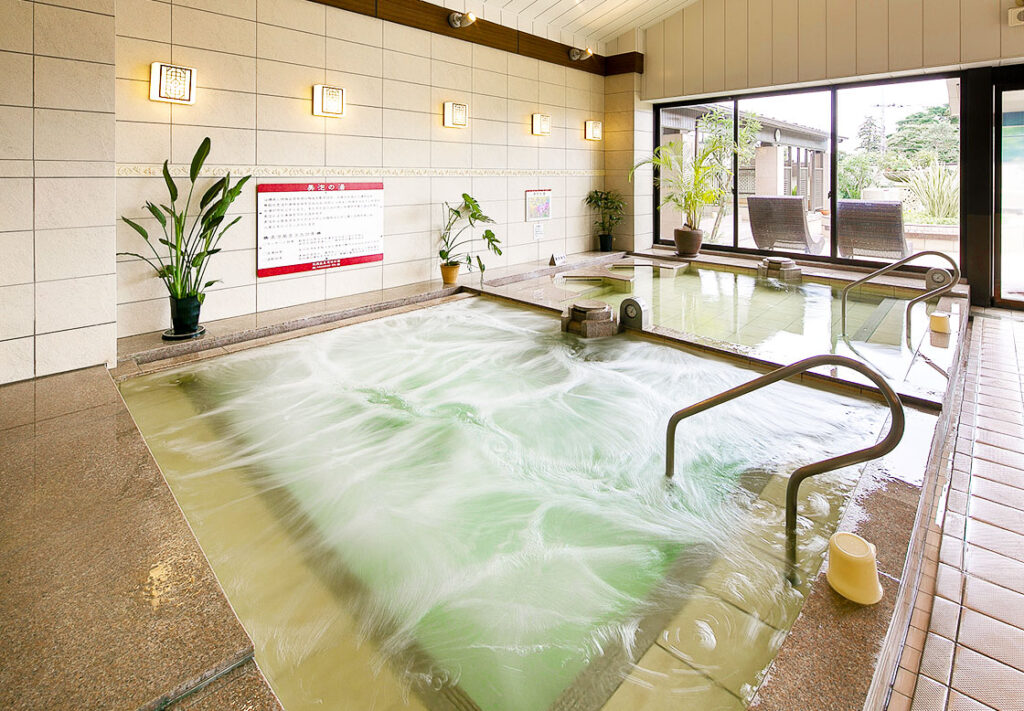
One of the main indoor tubs is the Beautiful Bubble Bath (*Bihou-no-yu*), blanketed in fine microbubbles.
It’s a bubble bath where the floor is lined with Shigaraki-ware ceramic plates. Countless tiny bubbles rise from the entire tub, softly enveloping your body and delivering a soothing stimulation.
According to the official website, it supposedly “offers the same relaxing effect as forest bathing thanks to negative ions,” but honestly, it’s a mystery whether I actually felt all that.
However, the sensation of the bubbles clinging to your body is addictive; it makes you feel so floaty you might just melt away.
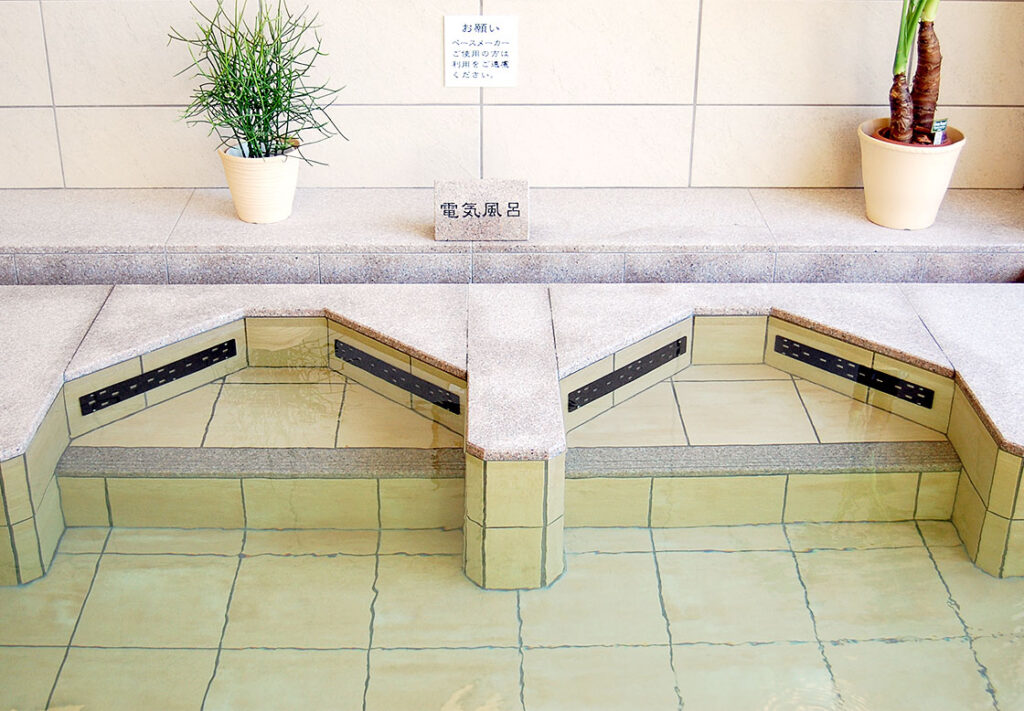
At the edge of the indoor area sits the Electric Bath.
It’s a rare feature that you don’t see as often in modern day-trip hot springs, but Hanasaki no Yu’s electric bath was quite a shocker.
The voltage is intensely high—to the point where it shoots past “feels good” right into “painful” territory.
It was so strong it felt like a punishment game, making it impossible to stay in for long… Any challengers out there should definitely give it a go.
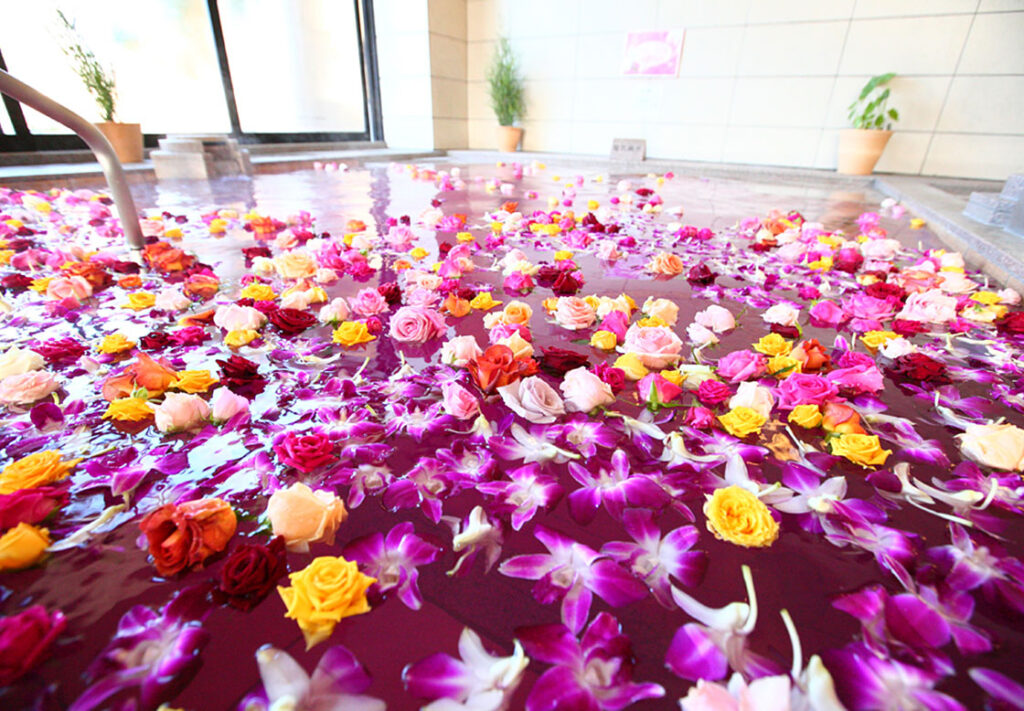
Another main tub in the indoor area is the Specialty Bath (*Kawari-yu*).
The bath changes weekly, utilizing fresh herbs and various bath salts, designed to let you enjoy the aromas of each season.
During my visit, it was a “Hinoki (Cypress) Bath,” featuring large chunks of what looked like cypress wood bobbing around in the water.
I mean… it’s not terrible… but honestly, wouldn’t a tub made entirely of cypress be better…? (Just me being selfish.)
About a third of the indoor area is dedicated to a spacious shower corner with plenty of stations.
I was happy to see that some of the showers are firmly partitioned from their neighbors with walls.
Cleaning staff are permanently stationed in the indoor area, and they patrol the shower corner to clean it with impressive frequency. Man… Hanasaki no Yu’s obsession with cleanliness is really something to behold…
A Scorching, Perfect Sauna
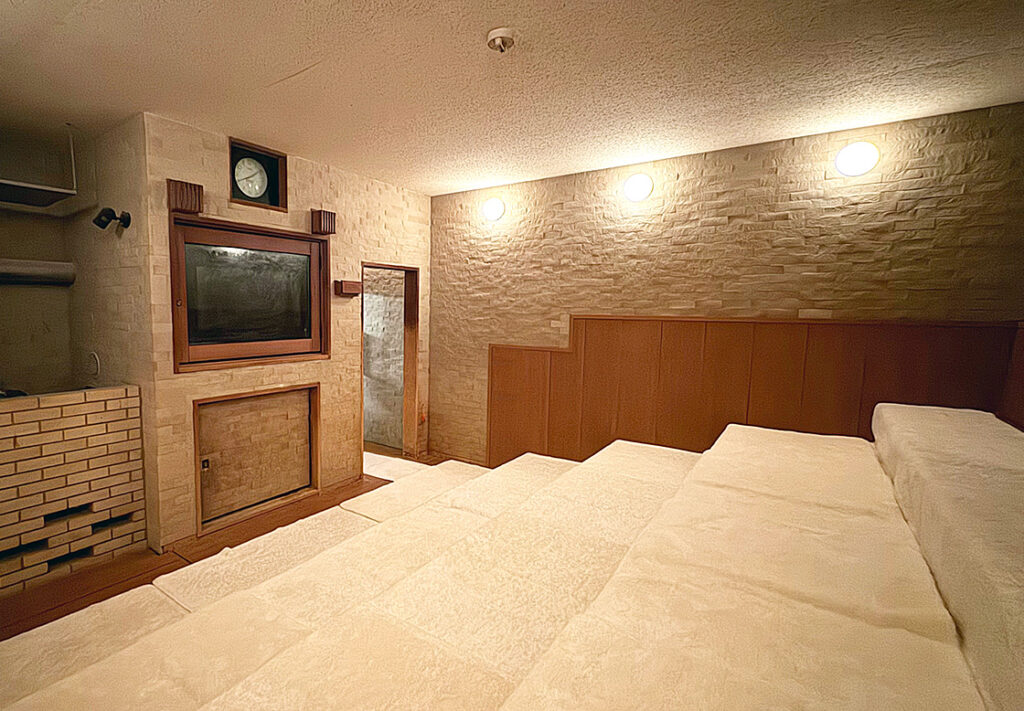
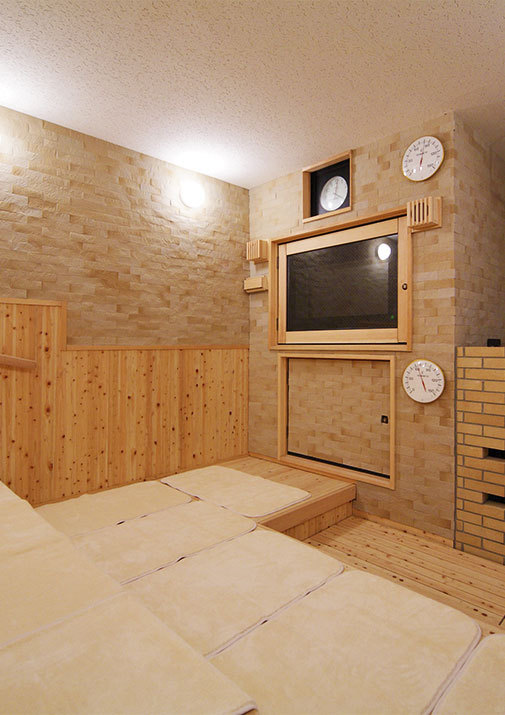
Hanasaki no Yu features only one sauna facility: a tower sauna that comfortably seats about 30 people.
The room is built with four tiers, and the temperature is set to a completely uncompromising 100°C.
Depending on where you sit—like right in front of the stove or on the top tier—the heat is astronomical. I suppose this is what they call “Asian heat”…
They run an auto-loyly system at 15 minutes past every hour, turning an already high-temperature sauna into a blazing inferno. It goes beyond Asia and straight into the Sahara.
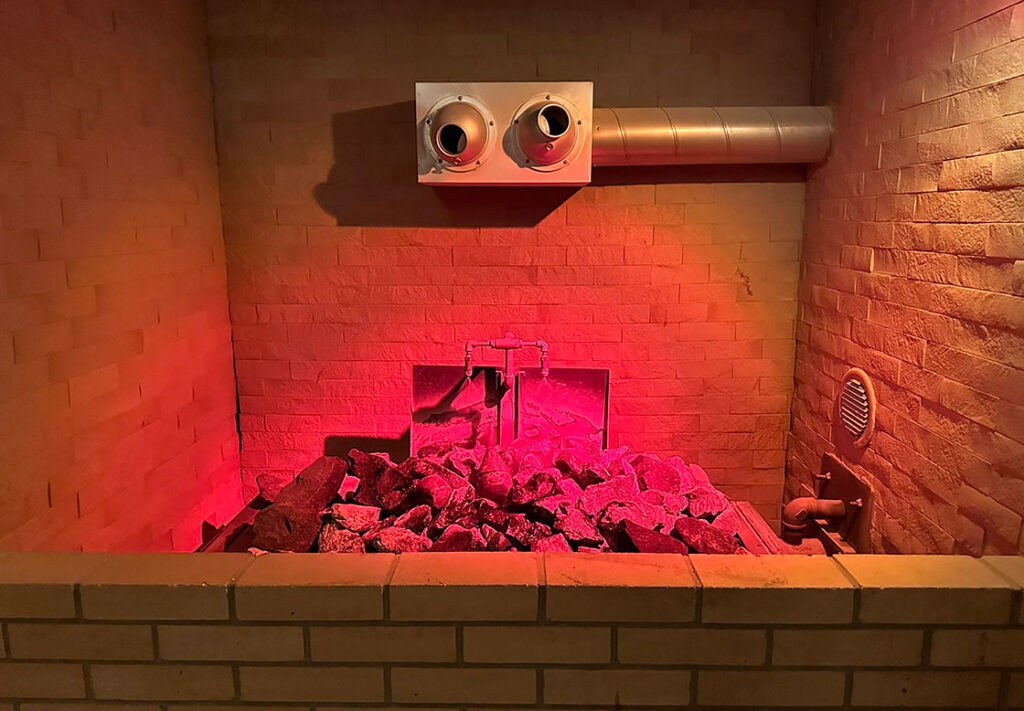
Towels line the floor inside the sauna, and the rule is you lay down your own provided rubber sauna mat on top before sitting.
There were no foul odors or dirt whatsoever; it was kept remarkably clean.
What blew me away was how frequently the cleaning staff collected and replaced the floor towels.
They seem to swap the towels in sections at scheduled times for each of the four tiers. This means that even during cleaning, guests simply shift from the tier being cleaned to another one = you don’t have to awkwardly step outside the sauna and wait for them to finish. Whoever designed this system is a genius, right… ?
The sauna was surprisingly uncrowded, and sweating it out in silence was pure bliss.
The level of perfection as a sauna easily deserves a flawless 10/10.
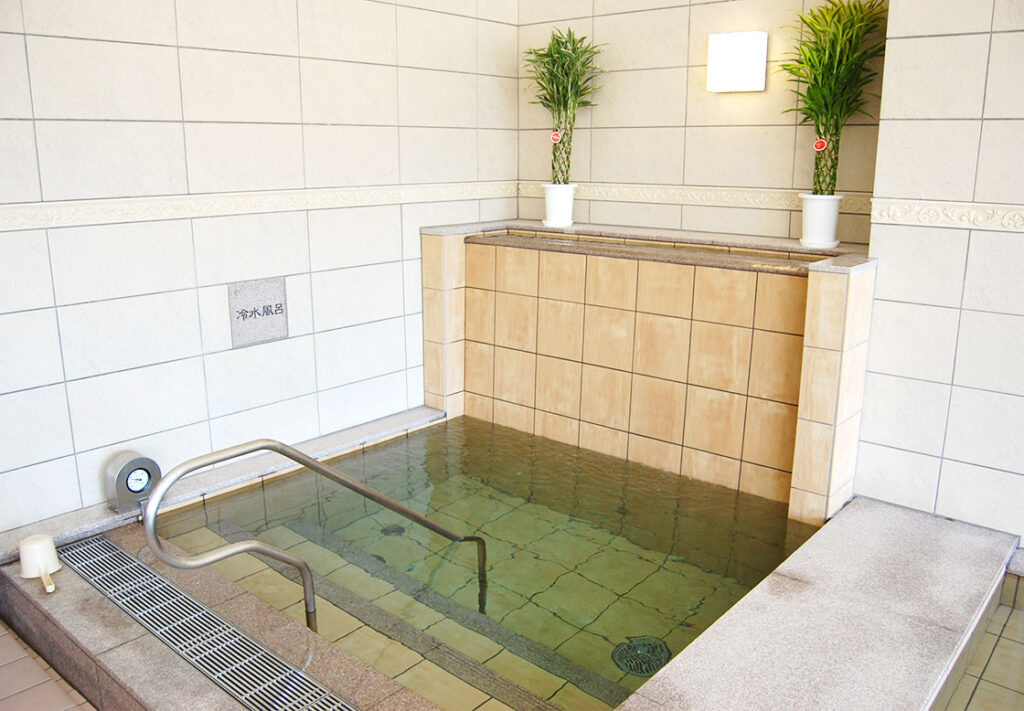
Also, the Cold Water Bath for cooling down post-sauna sits at a freezing 14°C–15°C, which is amazing. It’s perfectly located right outside the sauna door.
It’s cozy enough that 3 people max it out, but strangely, it never really gets crowded.
There are no buzzkill rules like “No diving” or “No washing your face,” giving you a high degree of freedom, which is a major plus.
On top of that, they apparently dissolve mint extract into the water, releasing an incredibly refreshing scent that made the cool-down experience absolutely outstanding.
Other Facilities (Rest Areas | Dining, etc.)
Empty and Excessively Comfortable Rest Areas
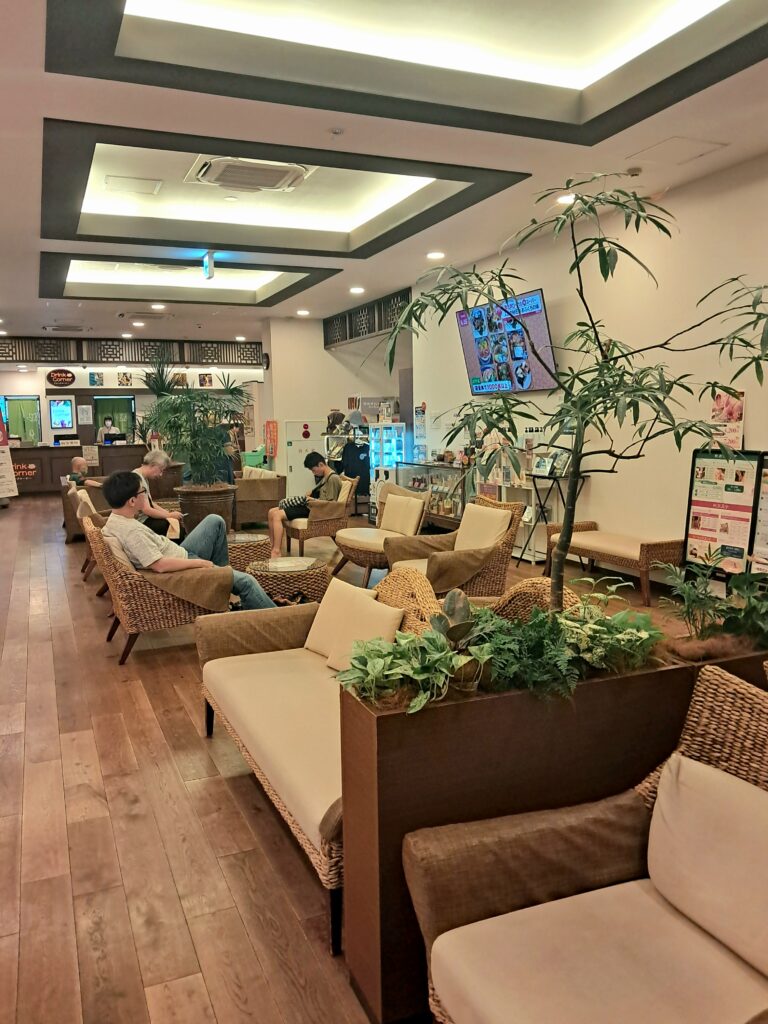
The rest areas at Hanasaki no Yu hit my personal tastes right on the money, leaving another great impression.
They’re divided into several sections, all located on the first floor.
First is the lobby space right past the reception, furnished with plush sofas.
The lighting is struck in a perfect balance—neither too bright nor too dim—creating an atmosphere that calms you down just by being there.
Next to the lobby is a Japanese-style space with large cushions scattered across tatami-style mats.
There are a few manga and magazines available, and you’ll spot a handful of people lounging around completely relaxed.
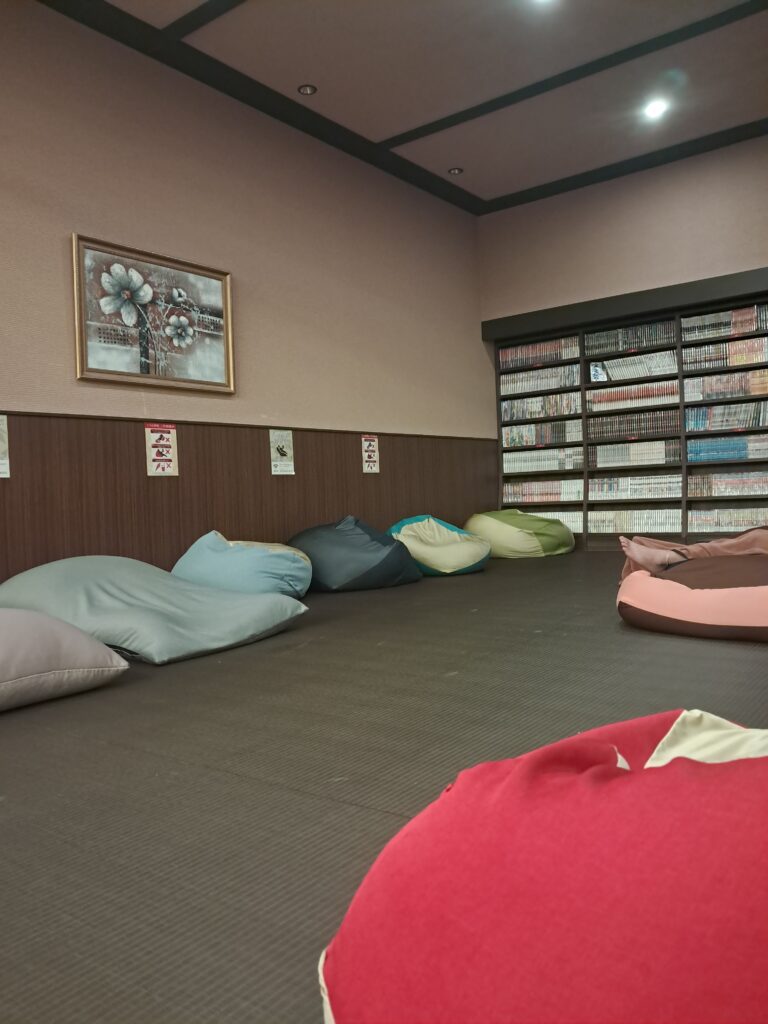
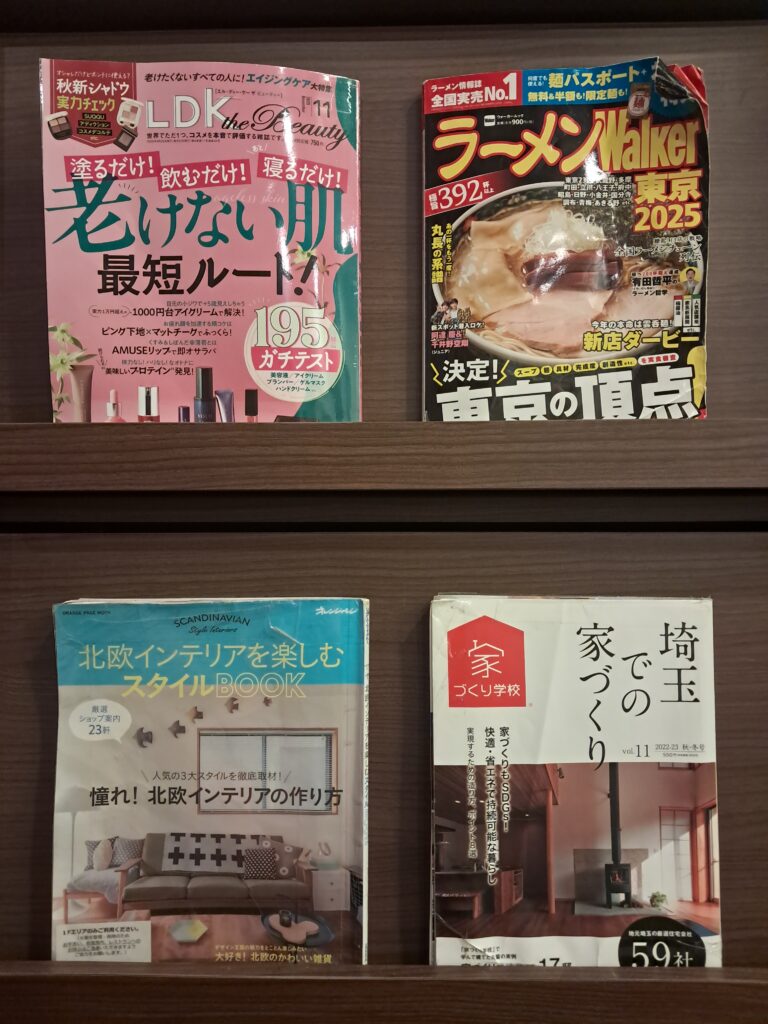
Beyond the Japanese-style space is a reclining area separated from the rest of the rooms.
The sight of reclining chairs lined up in rows is quite impressive, and this area also maintains a clean, bright atmosphere.
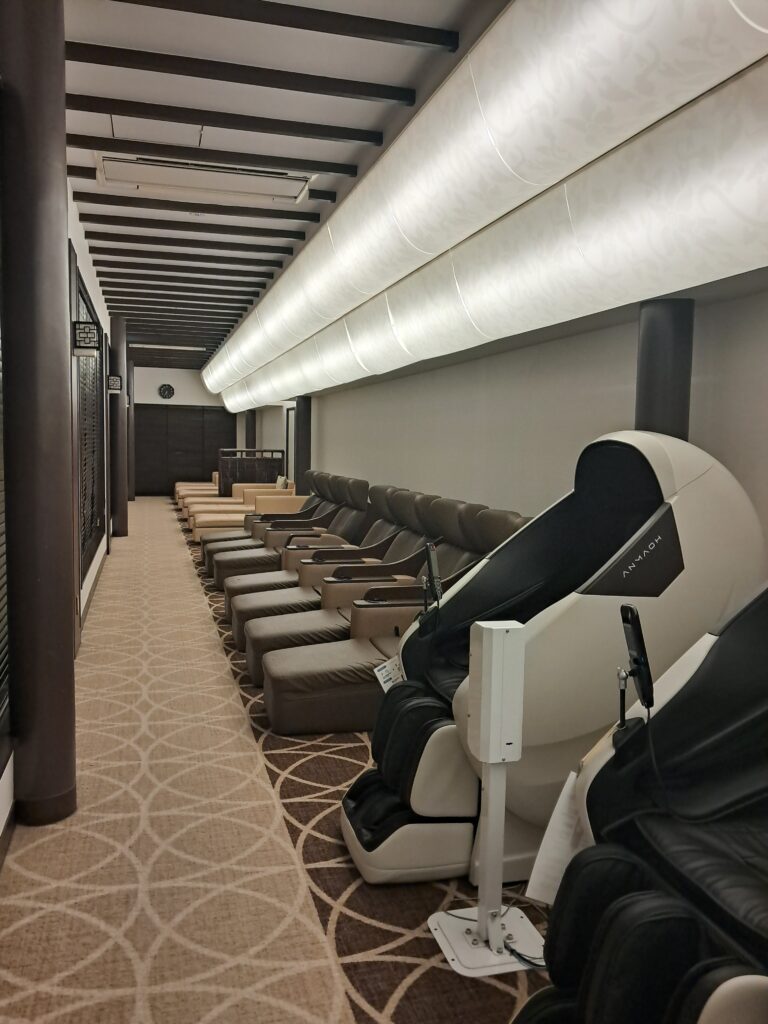
It’s mysterious how the rest areas were practically deserted even though the baths had a decent number of people.
I was personally thrilled that it was so empty and quiet. True to a facility promoting “healing” as its concept, just sitting here gives you the sensation of all tension melting away from your body.
Delicious, but Slightly Pricey Restaurant
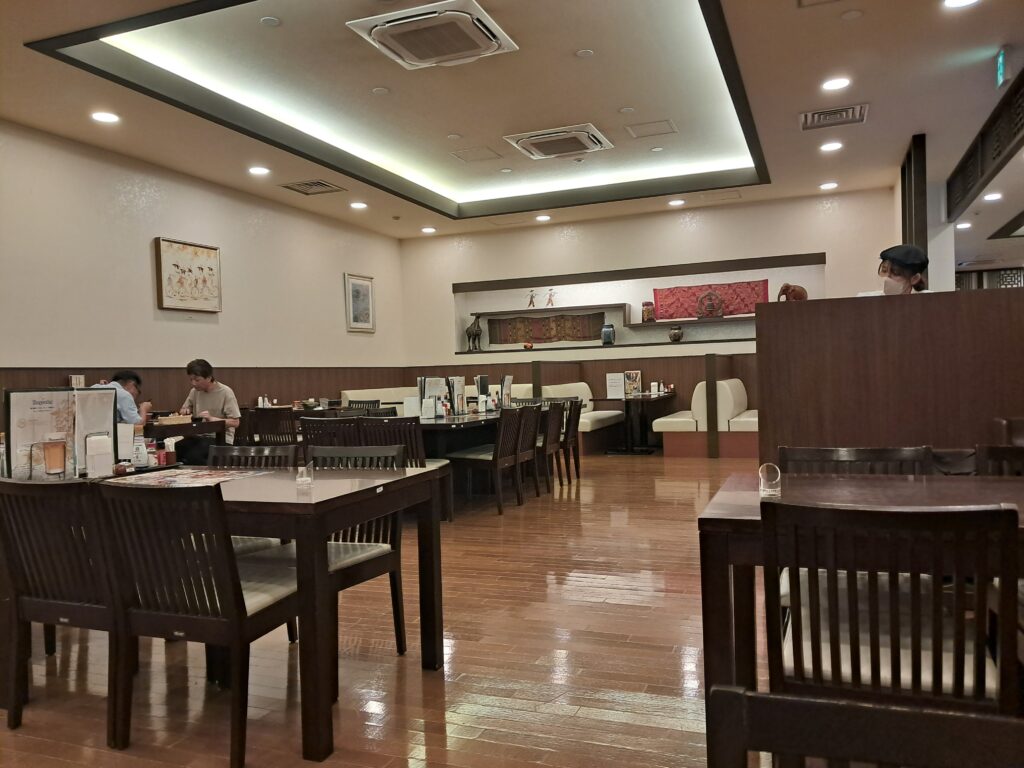
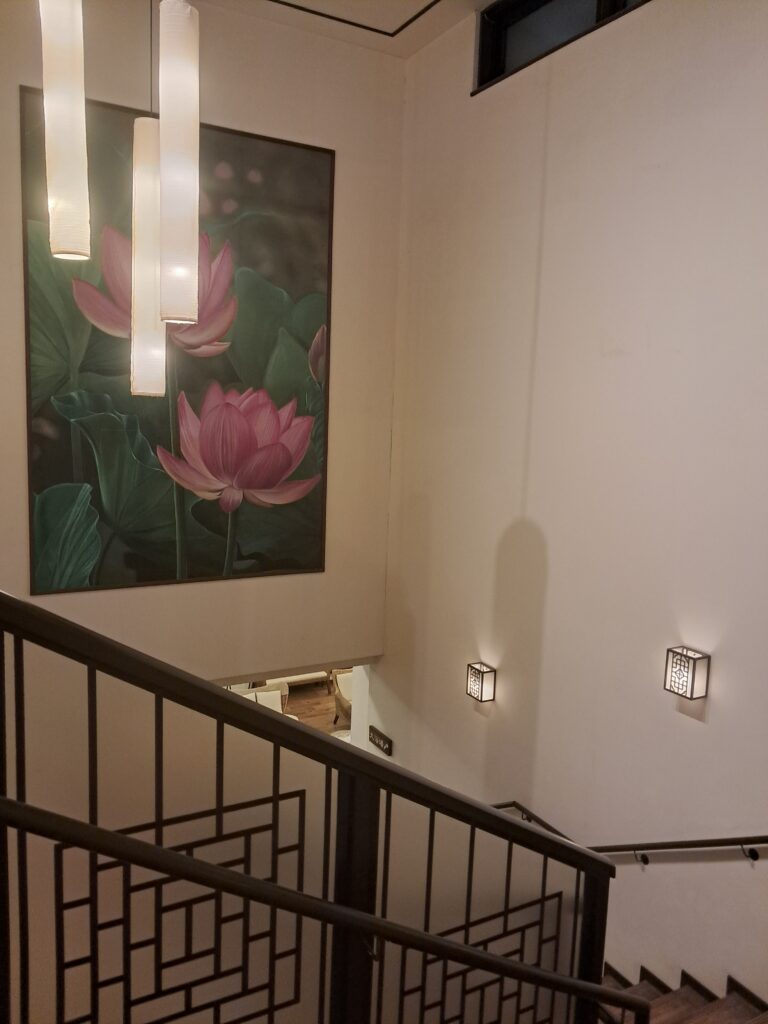
The in-house restaurant at Hanasaki no Yu is named “LOTUS CAFE,” pushing an Asian motif front and center.
Despite the aggressively Asian name, the interior itself feels like a completely normal, clean dining hall.
As is true for all of Hanasaki no Yu, the staff service in the restaurant is also perfect.
Everyone is articulate, moves efficiently, and flashes wonderful smiles, leaving a very positive impression.
LOTUS CAFE operates as a full-service restaurant where staff take your order and serve your food, rather than the self-service style common in modern super sento.
The restaurant is quite large, offering both table and tatami seating, and I was able to sit down without waiting even during peak meal hours.
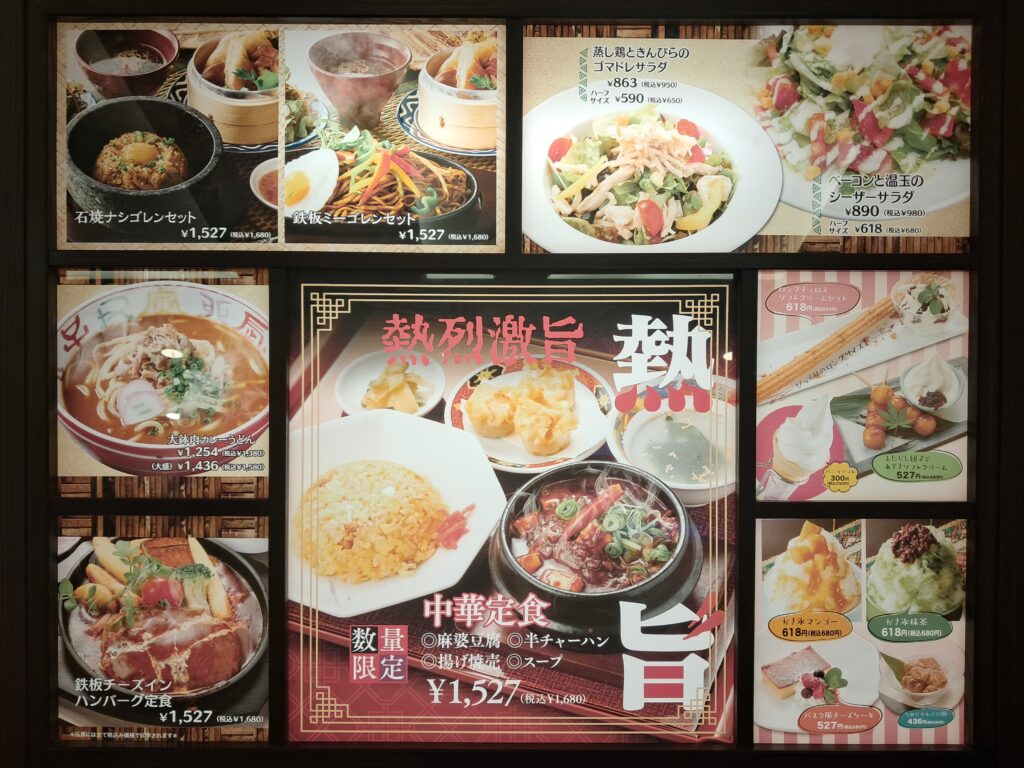
Opening the menu, you immediately notice that, true to its Asian Spa concept, it boasts a rich array of multinational cuisine.
With dishes like Nasi Goreng, Mie Goreng, Gapao Rice, Pho, Bibimbap, Sundubu, and more, it offers a full lineup of Southeast Asian and Korean food—an incredibly rare selection for a day-trip hot spring restaurant.
Of course, they also have a full suite of standard Japanese staples like udon, rice bowls, and set meals.
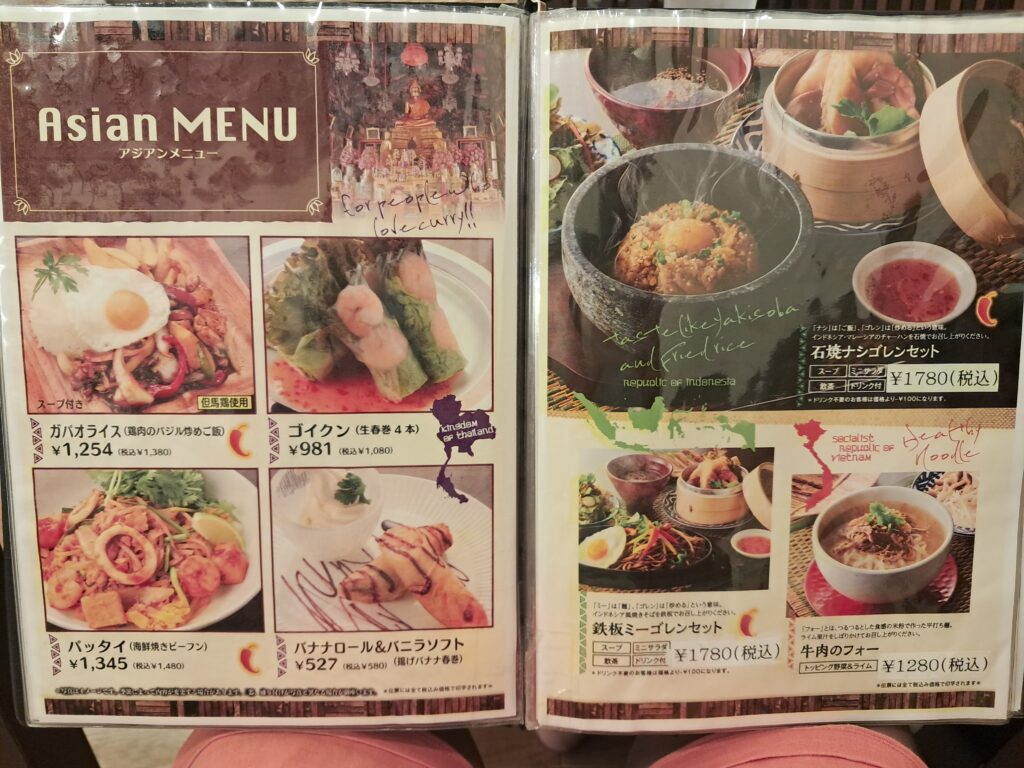
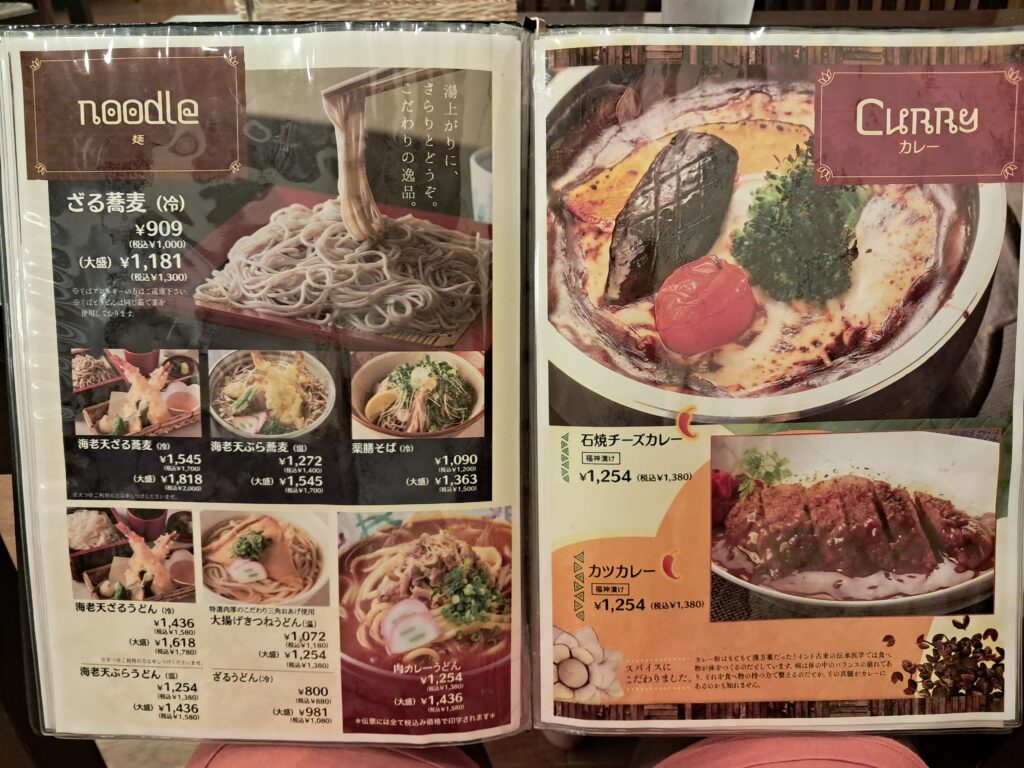
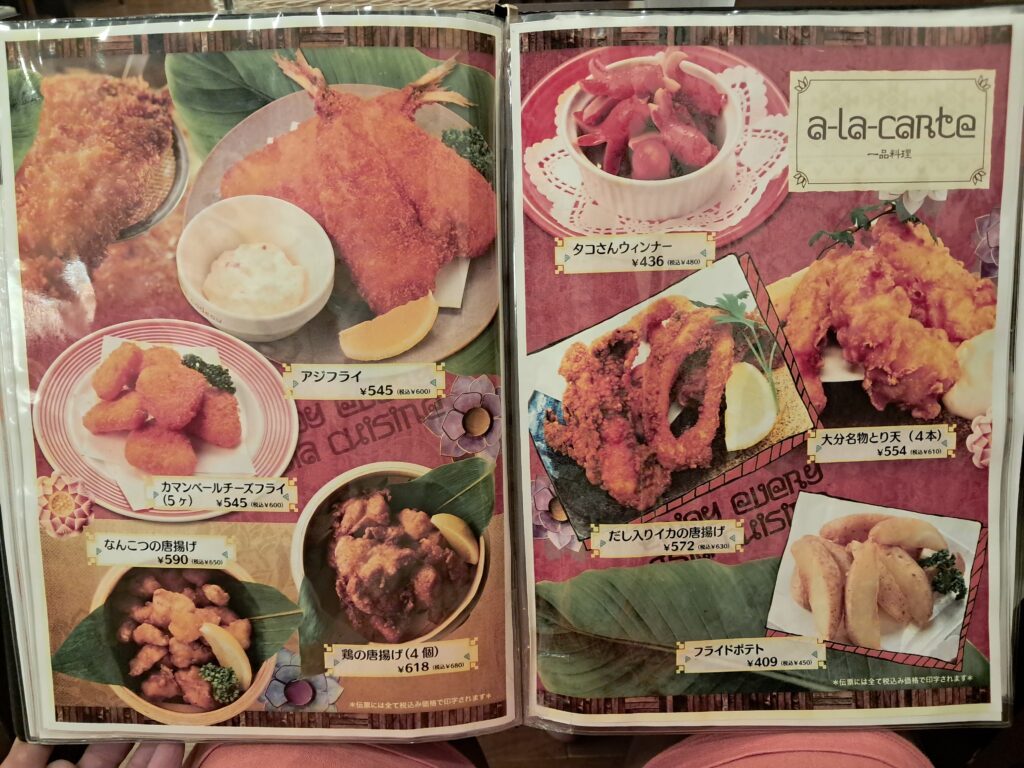
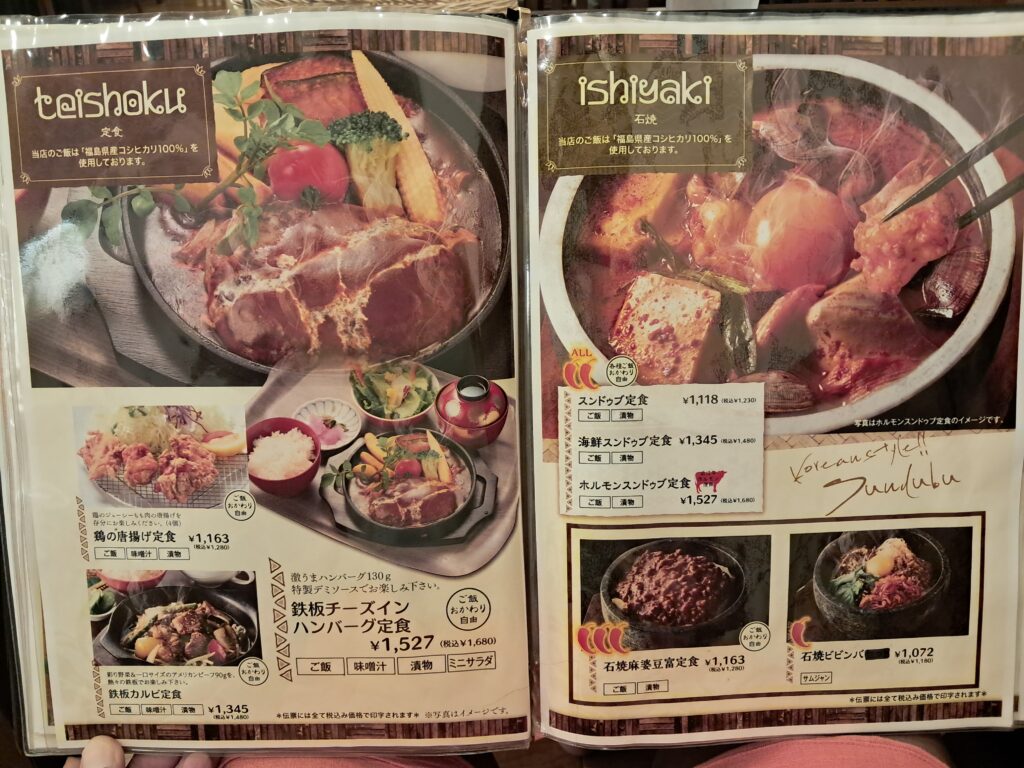
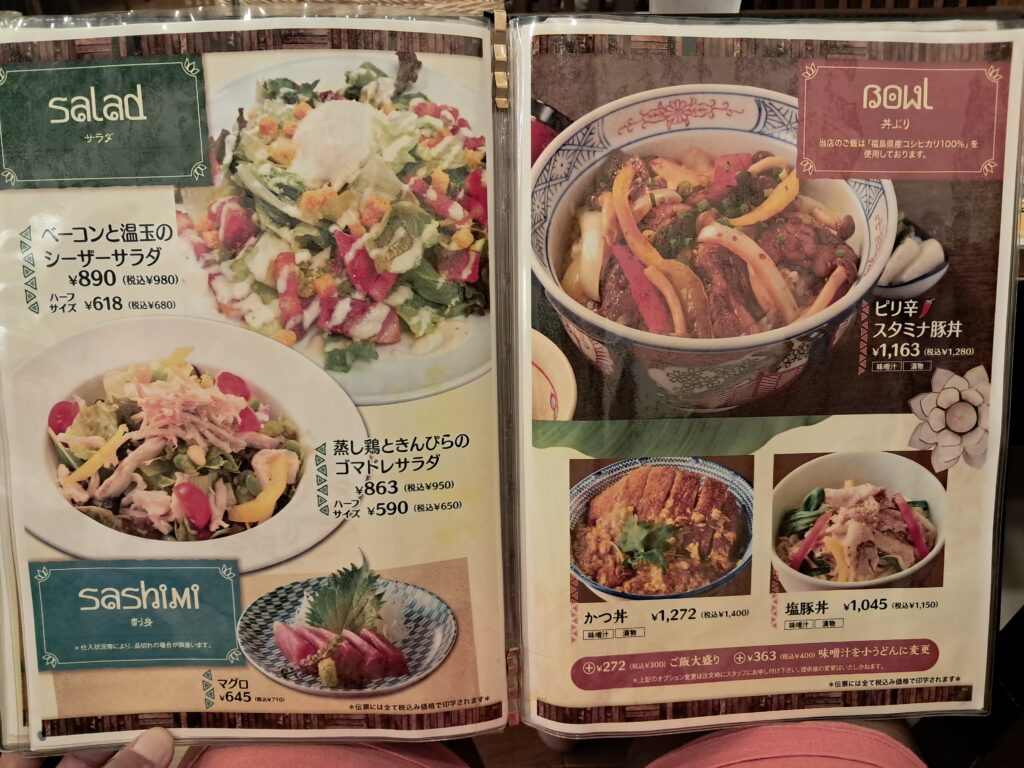
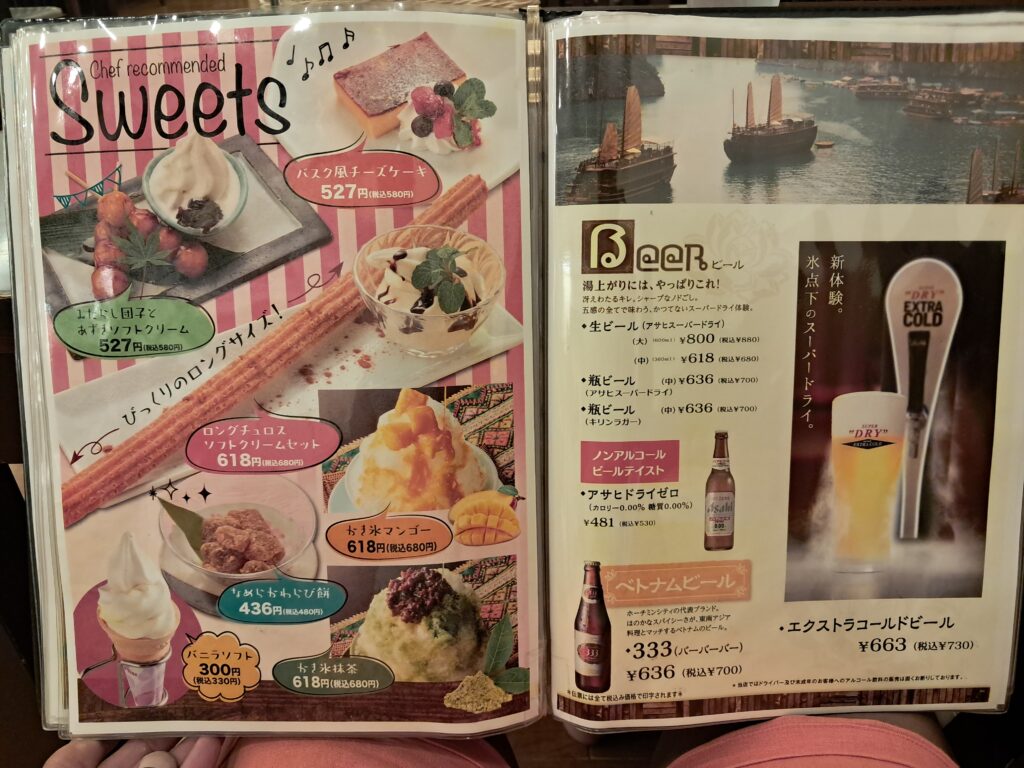
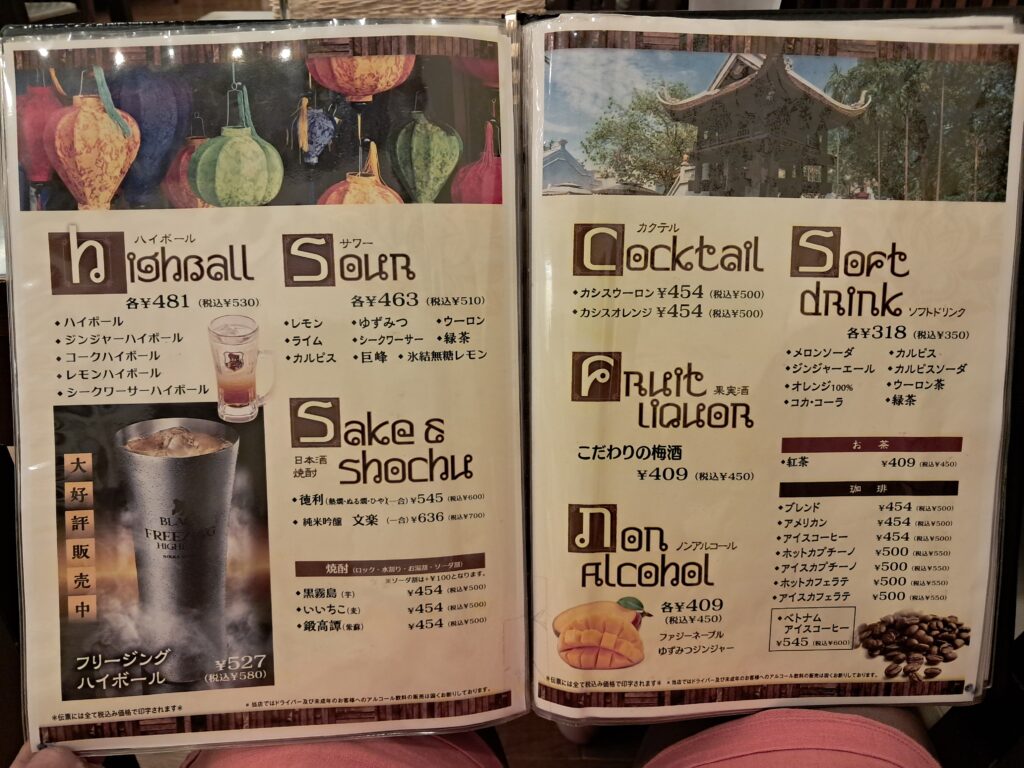
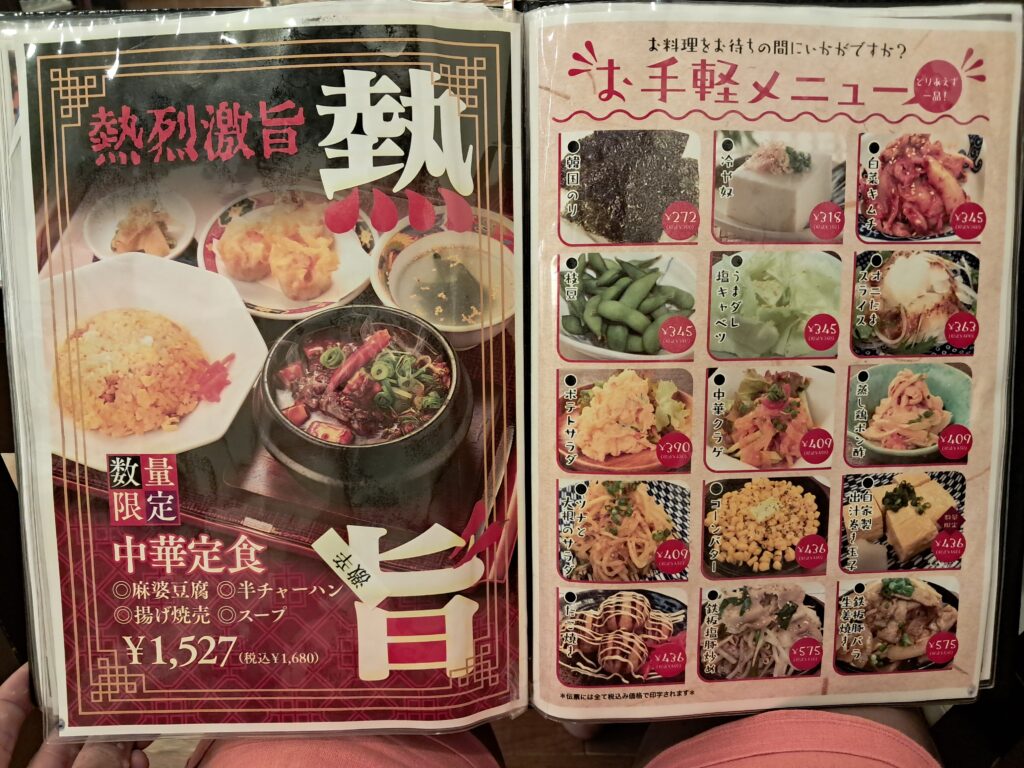
Everything looks absolutely delicious, but overall, I got the impression that the prices are about 20% to 30% higher than the average hot spring restaurant.
Thinking, “Hmm, these are a bit like Asian resort prices…,” I decided to assume it meant they were highly confident in the flavor. Slipping into an overseas vacation mindset, I completely loosened my purse strings…
Thus, I chose the Bibimbap and Sundubu. I just somehow felt like going all-in on Korean food.
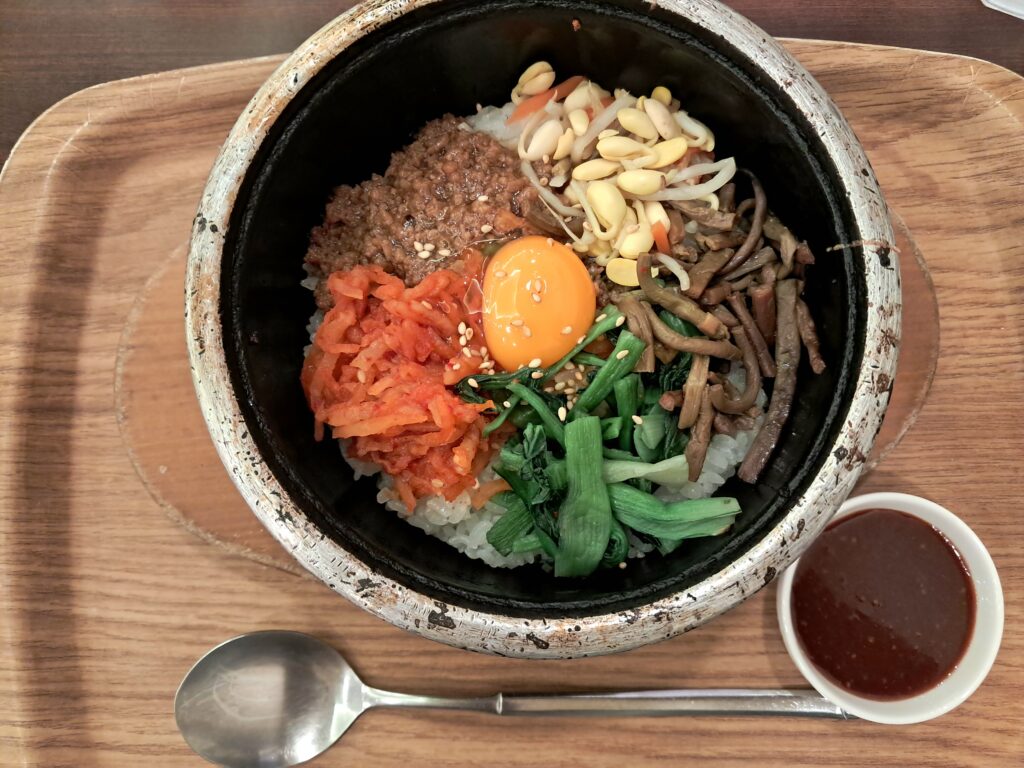
The Bibimbap arrived in a piping-hot stone pot, sizzling aggressively even after hitting the table—ah, just perfect.
The balance of ingredients is stellar, and the sweet-and-spicy sauce and roasted aroma soak perfectly into the exquisitely cooked rice.
The crispy scorched rice at the bottom and the burning-hot, blow-on-it-to-eat sensation are fantastic, and the flavor is top-tier.
The euphoric moment you break the egg and violently mix it all together… kamsahamnida…
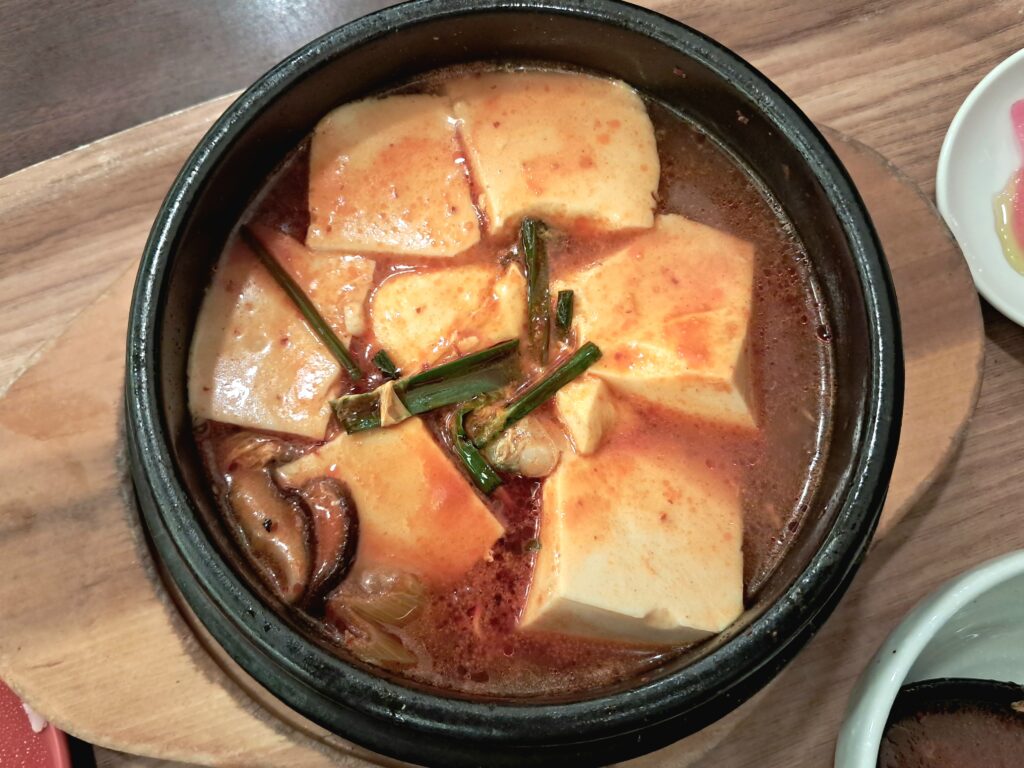
And the Sundubu I ordered alongside it was also a jackpot.
The spiciness was relatively mild and easy to eat, and you could clearly taste the smooth texture of the tofu and the deep umami of meat and clams dissolved into the broth.
The zesty, rich aftertaste seeps warmly into a body already heated up by the hot springs, and before I knew it, I was sweating…
If I had to complain, the standard Sundubu doesn’t include meat, which was a bit of a letdown (considering it costs a decent amount, please throw in some meat!).
So, regarding the flavor and quality of LOTUS CAFE’s food, I was 100% satisfied.
However, it inevitably feels a bit overpriced, so if it were just a tad cheaper, I could wholeheartedly recommend it to absolutely everyone.
Conclusion: Overall Rating & Recommended Sightseeing Plans
Overall Rating for Hanasaki no Yu
And there you have it—a highly detailed report on every aspect of Hanasaki no Yu.
Overall, it was very high-quality and a wonderful experience, but how will that reflect in the final scores…?
・Access: 9/10
・Uncrowdedness: 5/10
・Staff: 10/10
・Bath Openness: 8/10
・Cleanliness: 10/10
・Water Quality: 8/10
・Bath Variety: 8/10
・Sauna: 10/10
・Locker Room Amenities: 10/10
・System Convenience: 8/10
・Customer Demographics: 7/10
・Atmosphere: 7/10
・Food: 8/10
・Rest Areas: 9/10
・Cost Performance: 7/10
・Overall: 8.3/10
Yes! Over 8 points! It’s an undisputed high score!
The brilliance of Hanasaki no Yu is that they pour serious effort into the hot springs, sauna, rest areas, and the food.
You can sense their thoughtfulness toward guests everywhere you look, and their staff service and dedication to cleanliness are impeccable.
Overall, it’s a highly recommended facility for anyone seeking a spa-like experience with the goal of “leisurely healing daily fatigue.”
The bath lineup and the design of the rest areas are all entirely dialed into that “healing” direction.
So, summarizing the pros and cons of Hanasaki no Yu looks something like this. ▼
・Flawless cleanliness and god-tier, polite staff service.
・Sauna perfection is head and shoulders above the rest.
・Great water quality in the free-flowing lukewarm source bath.
・Rest areas are uncrowded and incredibly comfortable.
・The lie-down bath is such high quality that deep sleep is inevitable.
・Admission is pricey at the general rate (the price gap with members is harsh).
・Strong chlorine smell in some of the circulating baths.
・The Asian concept gets a little lost along the way.
・Bath crowding during peak hours.
・Restaurant menu is overpriced.
Looking at it like this, I can’t think of any glaringly awful points. Overall, it’s a very good facility.
If I had to complain, I’d say I wish they would ease up a bit on the aggressive general admission and restaurant pricing.
I personally quite like that “Saitama” vibe where, despite flaunting an Asian motif, it retains a folksy approachability.
Conversely, if you love flawlessly sophisticated luxury or ultra-modern urban spas, it might leave you wanting a little more.
For sauna enthusiasts coming strictly for a sweat, Hanasaki no Yu should deliver massive satisfaction.
The hot spring itself is on the lukewarm side and heavily features circulating tubs, so “pure hot spring hardcore fans” might find it slightly lacking, but the water quality itself is great, so I was perfectly satisfied.
Among the three Ageo hot springs, the one with the most perfect balance of atmosphere, baths, cleanliness, customer service, and sauna is undoubtedly Hanasaki no Yu.
If you approach it with the premise of becoming a member on your first visit and returning regularly, your satisfaction will absolutely skyrocket…!
If You’re Sightseeing Along With Hanasaki no Yu…
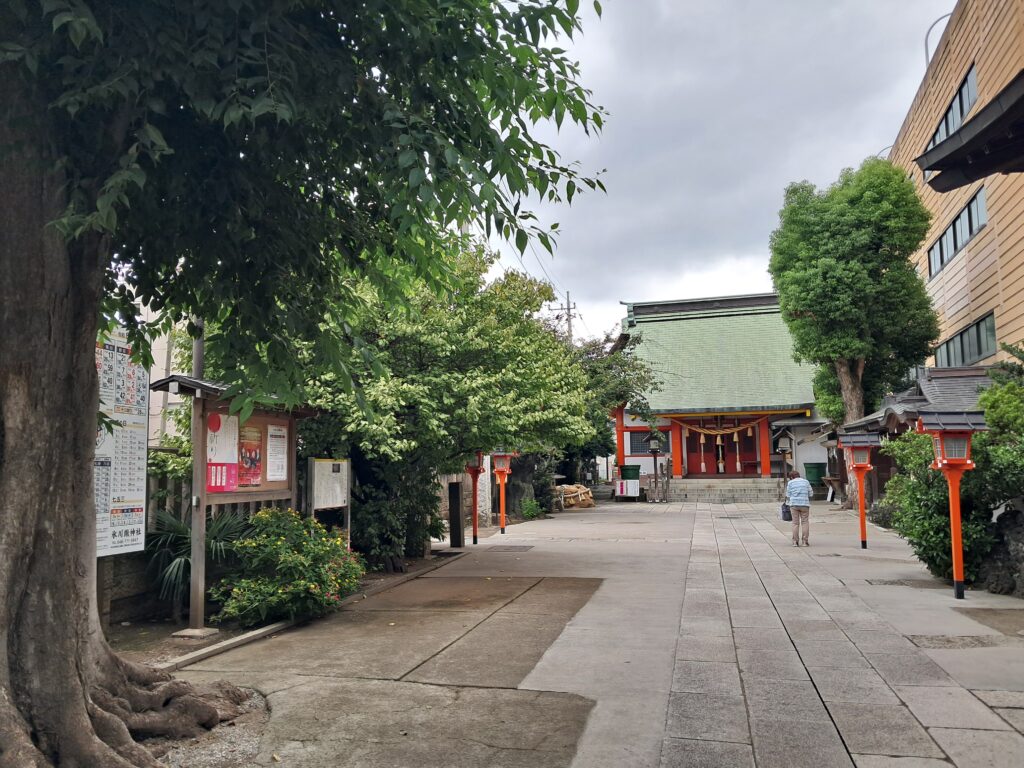
Ageo City, where Hanasaki no Yu is located, is the town directly north of Saitama City, the prefectural capital.
While it feels somewhat lacking in major tourist attractions, if you broaden your perspective a bit, you’ll find a few charming spots scattered around.
The Two Faces of Ageo City: The Post-Town Downtown and the Arakawa Riverside Area!
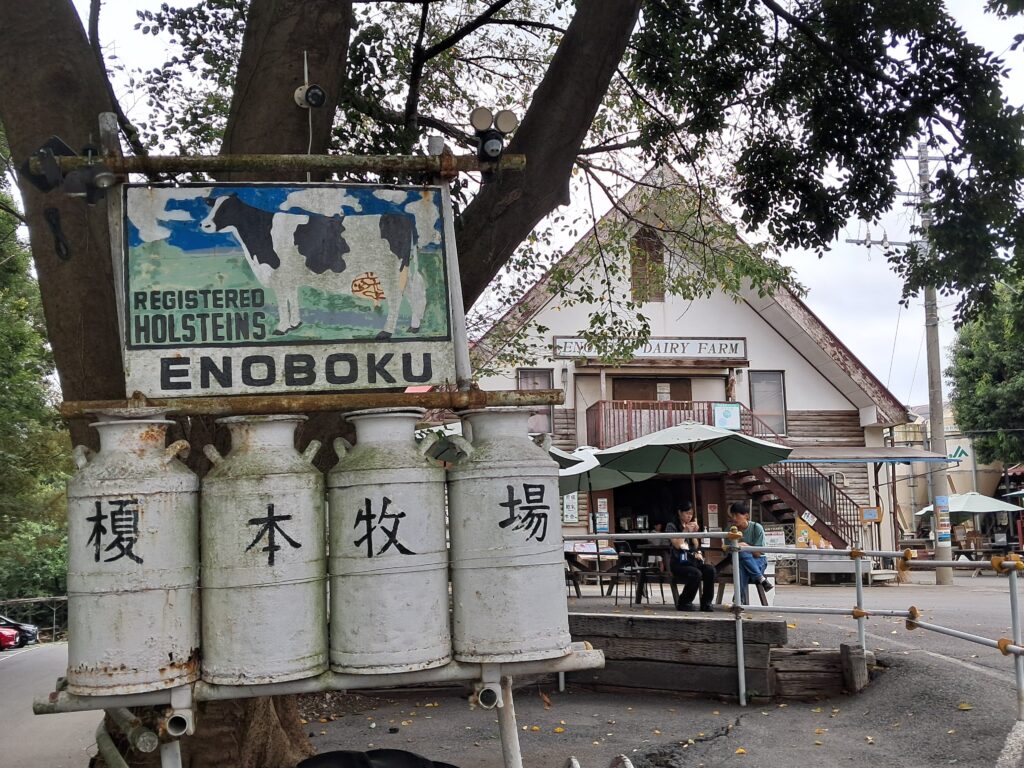
Ageo City boasts a history of flourishing as a post town on the Nakasendo trail.
The current downtown area retains almost no traces of its past, meaning downtown attractions are quite limited.
On the other hand, the Arakawa riverside area, far removed from the city center, exudes a unique presence and is highly appealing.
With wild cycling paths and a farm selling famous soft-serve ice cream, you can discover an unknown side of Ageo.
Saitama’s Biggest Metropolis: Omiya
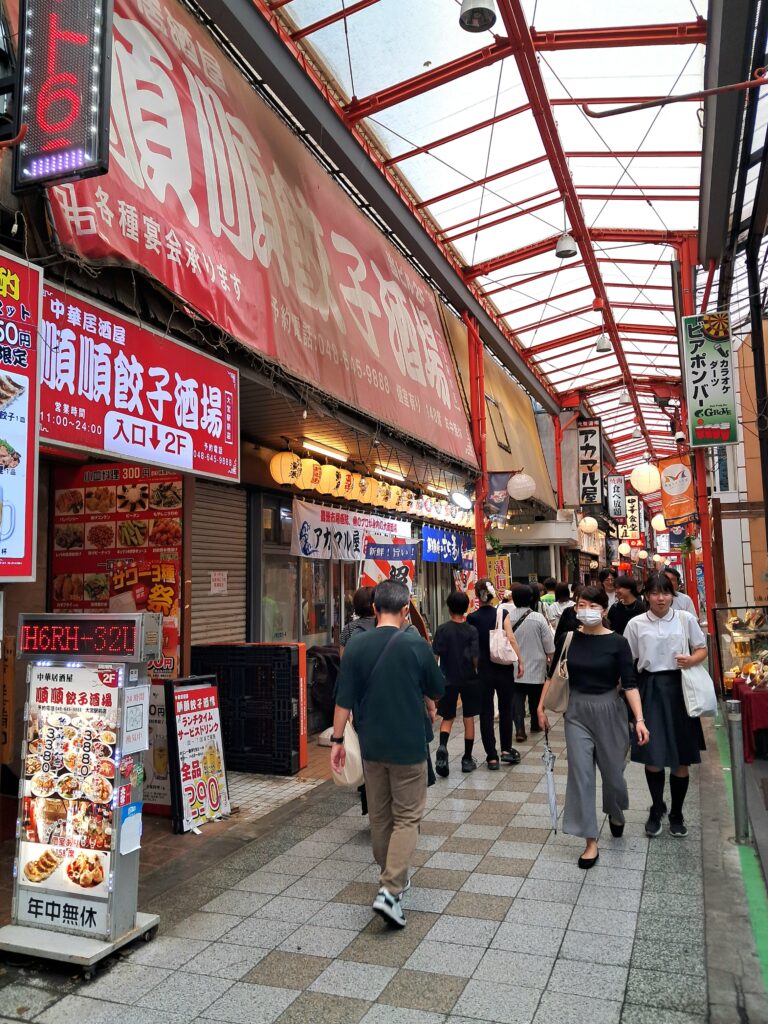
Home to the premier entertainment district representing not just Saitama City but the entire Saitama Prefecture, is Omiya.
Boasting a massive terminal station with train networks connecting to Tokyo and shinkansen (bullet trains) providing access to rural areas, the area in front of the station gives off an urban vibe that feels like it belongs somewhere in Tokyo.
Drawing crowds from all over Saitama, Omiya is heaven for urban tourism purposes like dining and shopping.
At the same time, historical sights and nature-rich parks are dotted throughout, making it a wonderful city that reveals a new side no matter how many times you visit.
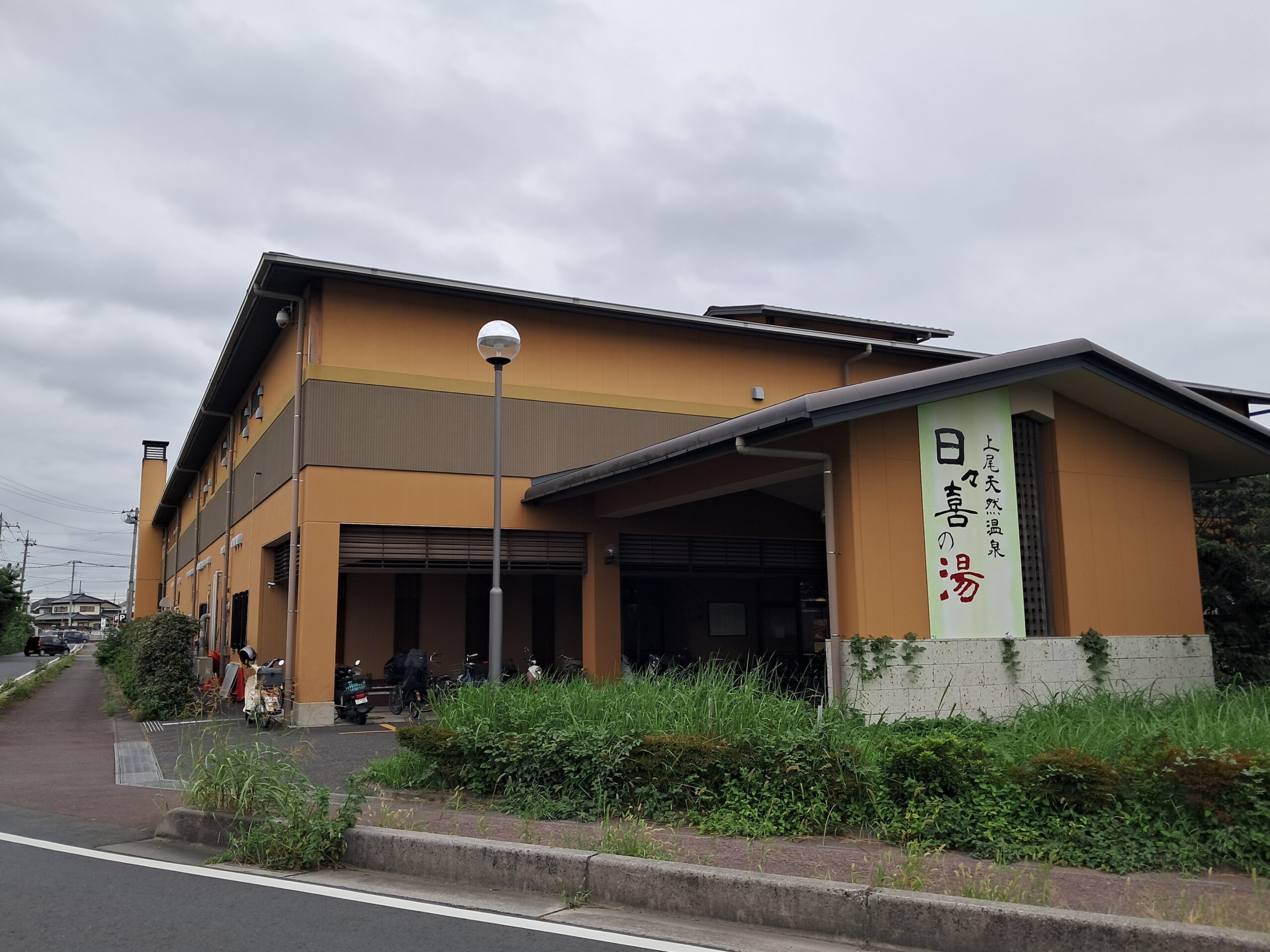
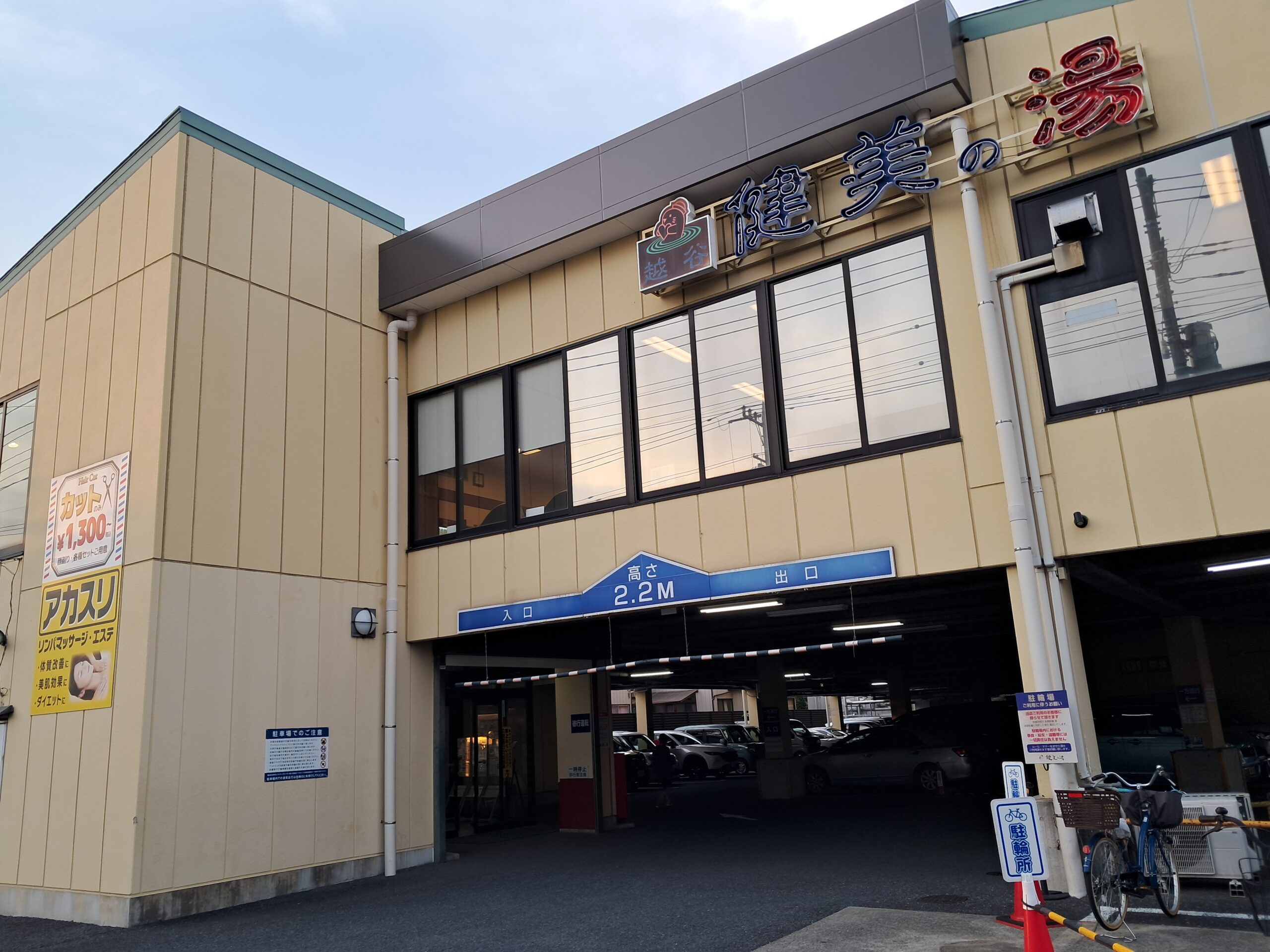
Comments