If you’re visiting Japan, there’s one thing you absolutely must experience… hot springs!
Japan is home to a wide variety of bathing facilities, ranging from traditional hotels (ryokan) with their own hot springs, to public bathhouses (sentō) frequented by locals.
Among these, facilities known as “day-trip hot springs” are particularly popular among Japanese people in urban areas like Tokyo.
As the name suggests, these allow you to enjoy natural hot springs on a day trip without staying overnight, and each facility offers its own unique concept, atmosphere, and services that are sure to charm you.
This series features reports from my actual visits to day-trip hot springs scattered throughout Japan.
I’ll provide detailed accounts of the quality of the hot springs, the range of facilities available, and my impressions after taking a bath.
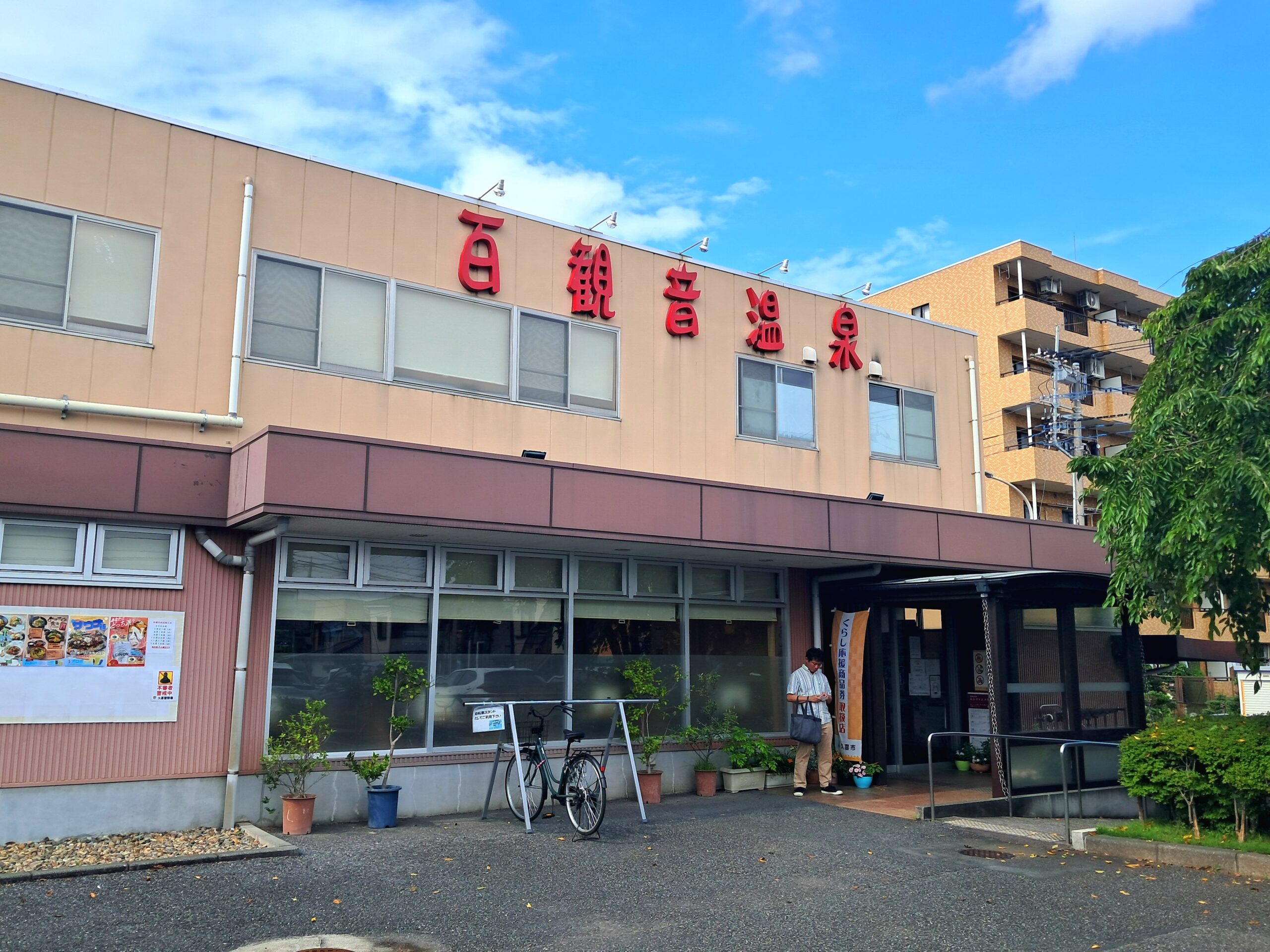
This time, I’m focusing on Hyakukannon-Onsen in Kuki City, Saitama Prefecture.
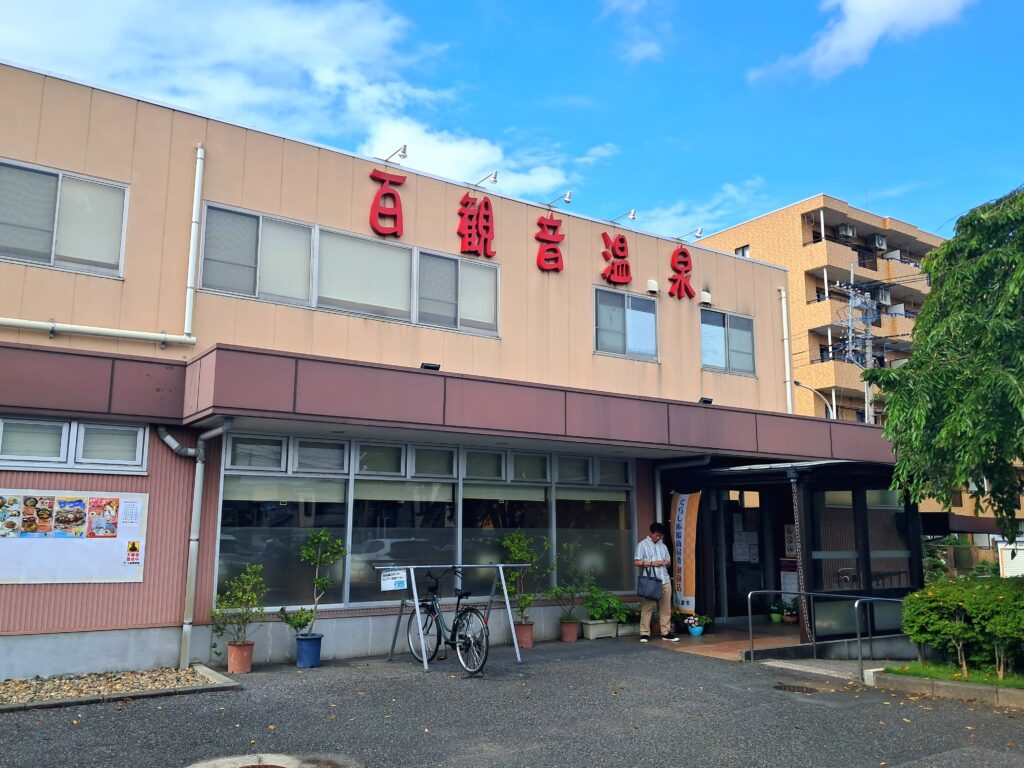
Known as “Saitama Prefecture’s finest hot spring,” it was truly wonderful—I highly recommend you visit!
What is Hyaku-kannon-Onsen?
The Origin of Hyaku-Kannon Onsen
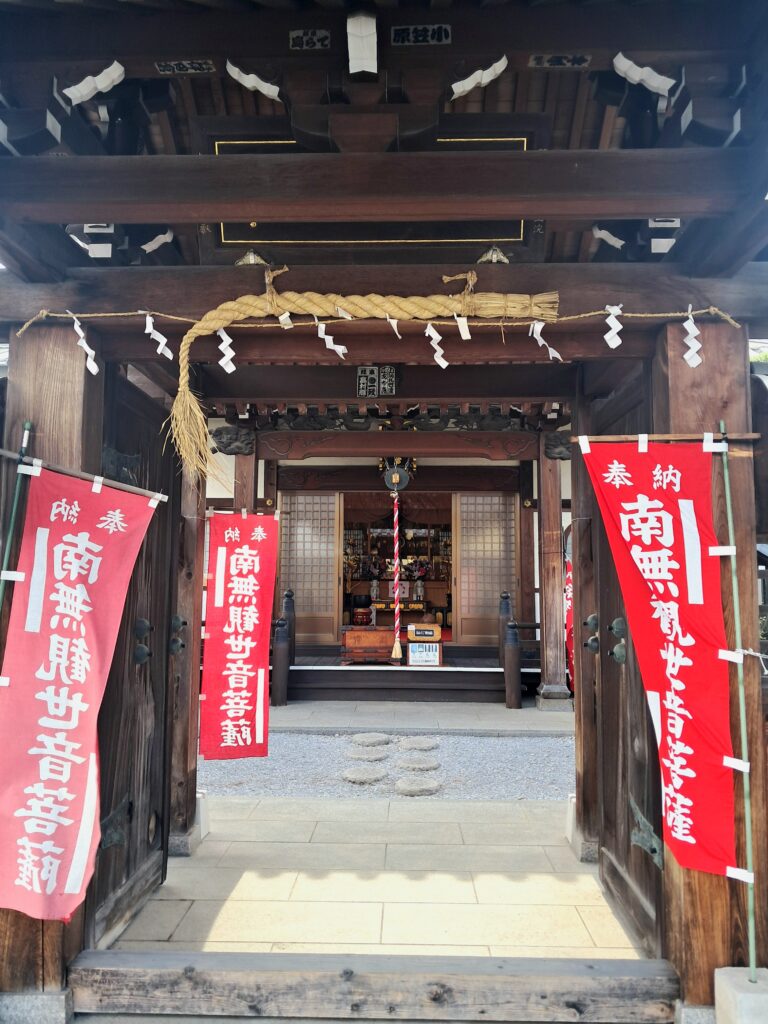
The first thing that catches your attention is the name “Hyaku-Kannon.”
It has such an auspicious ring to it, and it really builds anticipation for the hot spring’s healing properties.
The name “Hyaku-Kannon” comes from the fact that there is a hall (Kannon-do) on the premises dedicated to the Bodhisattva Kannon.
This Kannon Hall has been a place of worship for local residents since before the hot spring opened, as it is one of the “100 Kannons of Japan”—a network of 100 sites across the country. (“Hyaku” means “one hundred” in Japanese). There’s even a legend that Hyaku-Kannon Onsen was born after the Bodhisattva Kannon revealed, “If you dig into the ground here, you will find a wonderful hot spring vein.” It really does seem like a very auspicious place…!
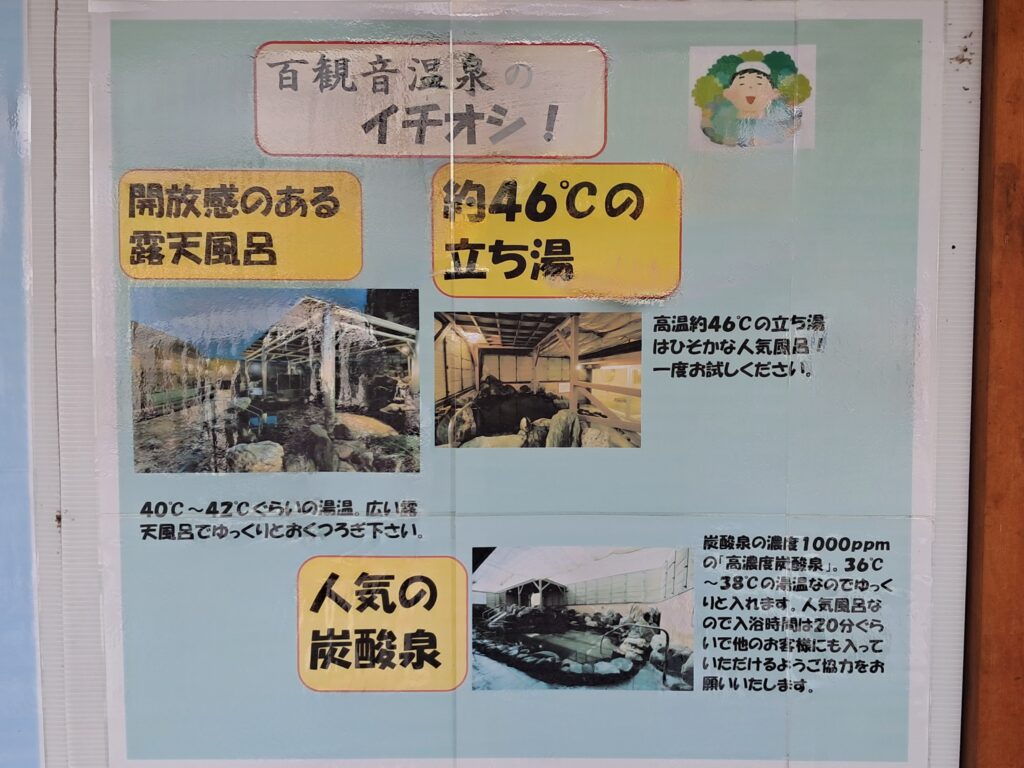
From its mysterious name and origin, I’m sure the Hyaku-Kannon Onsen has already given you high expectation, but the amazing thing of this place doesn’t stop.
In a survey conducted by the Japan Hot Spring Evaluation Organization, which judges the quality and cleanliness of hot springs throughout Japan, the Hyaku-Kannon Onsen received a five-star perfect score for all items. It seems too great…!
When you actually visit this place, you can immediately feel it on your skin. The quality of the hot spring of Hyaku-Kannon Onsen is so good that it is unrivaled.
It is rumored as “the finest hot spring in Saitama Prefecture”, but I think it’s not too much to say.
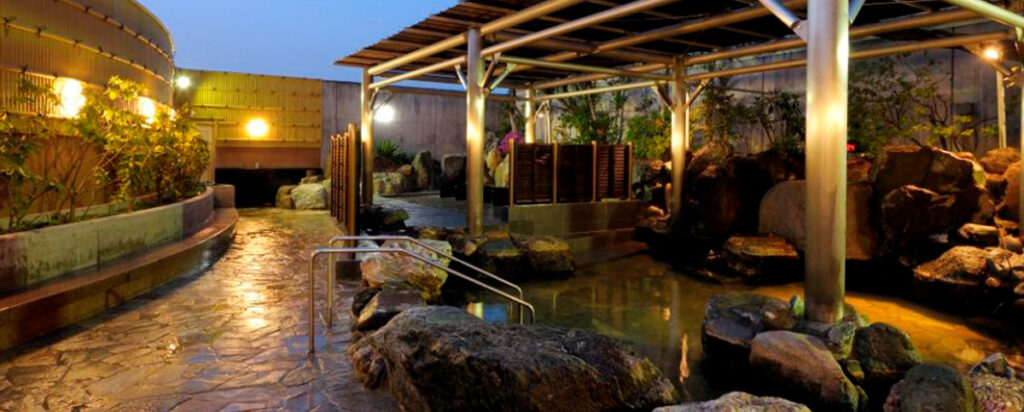
Not only the high quality of the spring, but also the dynamic use of the site full of openness is also the charm of Hyaku-Kannon Onsen.
The open-air bath, which is so spacious and impossible to realize in Tokyo, is perfect for a change away from the hustle and bustle of the city.
Opening hours of Hyaku-Kannon Onsen│Price
The basic information of Hyaku-Kannon Onsen is as follows.
These days, it’s not uncommon for day-trip hot spring visits to cost over 1,000 yen, so I’m really happy that this place offers such reasonable prices—under 1,000 yen on weekdays, weekends, and holidays alike.
Although it is an easy-to-understand system overall, there are some points to be aware of before using it.
The first thing to remember is that although the entrance fee, meal fee, and drink vending machine all support cashless payment, shoe boxes and undressing boxes don’t .The point is that you will need a hundred yen coin each when using the locker of the place.
To all you Tokyoites out there who found yourselves thinking, “Why is that the only thing that’s still analog…?”—Welcome to Saitama Prefecture!
Anyway, you will need two hundred yen coins = ¥200 per person, so those who got used to cashless culture should be careful.
(The one hundred yen coins you used will be returned when you leave the place, and if you do not have any coins but the bills, you will exchange it at the reception, so don’t worry about that!)
In addition, shampoo, conditioner and body soap are installed in the bathhouse and you can use them for free, but towels are not included in the entrance fee.
If you are visiting empty-handed, it is convenient to use a small towel & bath towel rental set (¥300).
Hot Spring Quality of Hyaku-Kannon Onsen│Hot Water Supply System
The most distinctive feature—and the biggest draw—of Hyaku-Kannon Onsen is the natural hot spring water that bubbles up from underground.
As I mentioned earlier, this facility has been awarded five stars in every category by the Japan Hot Spring Evaluation Organization, so the quality of the hot spring water is unquestionable.
The water is classified as a “strong sodium chloride hot spring,” and the smooth, moisturized feeling you get after bathing is due to chemical reactions caused by the minerals in the water.
It is believed to have skin-beautifying and therapeutic effects, and there are reportedly quite a few reports of people experiencing improvements in their atopic dermatitis.
Since the water reaches the surface without losing heat, there’s no need for heating, allowing you to enjoy a fairly hot (46.5°C) flow of water directly from the source.
What’s truly amazing about Hyakukannon Onsen is that nearly all the baths (except for the cold plunge pool) are fed directly by the natural spring. The fact that even the carbonated baths and reclining baths —which typically use regular tap water— are filled with natural hot spring water really shows just how serious this facility is about its hot springs.
The water temperature ranges from 37°C to 46.5°C depending on the bath, but it’s worth noting that all of them use water that has been naturally cooled from the source —with absolutely no heating or temperature adjustment.
I believe a facility that uses hot spring water so generously is quite rare in the Kanto region.
How Crowded Is Hyaku-Kannon Onsen? | Demographics | Recommended Days and Times to Visit
The downside of day-trip hot spring facilities in Saitama Prefecture is that they can get a bit crowded.
Depending on the day of the week or time of day, you’ll often find yourself thinking, “Far from relaxing, it’s so packed with people that I actually ended up feeling exhausted…”
In that regard, Hyaku-Kannon Onsen is much less crowded.
While it’s not hard to get to, it’s located in Kuki City, which is a bit far from the city center, so it doesn’t seem to get to the point where it’s just “people, people, people!”
I’ve visited Hyaku-Kannon Onsen twice, both on weekdays, and my impression was that it was relatively empty at all times of the day.
Before 5:00 PM, while it’s still light out, the place is full of elderly men with time on their hands; around 6:00 PM, the number of people increases slightly as people in their 30s to 50s stop by on their way home from work; and after 8:00 PM, it’s practically deserted.
At day-trip hot spring facilities in larger cities, the peak crowd usually hits after 8:00 PM.In that sense, Hyakukannon Onsen—which is practically empty from the evening onward—might be considered unique (probably because older guests go to bed early and don’t come that late).
As for the clientele at Hyakukannon Onsen, the average age is quite high.Eighty percent of the guests are seniors, and they seem to be regulars. I got the impression that there are relatively few students or office workers.
You’ll hardly see families with children or groups of young people; the majority of guests are solo visitors or groups of two or three friends.So, you can fully enjoy the hot springs in a very quiet environment.
When you hear “mostly elderly people and full of regulars,” you might expect there to be a lot of guests with poor manners, but I was pleasantly surprised to find that the guests at Hyaku-Kannon Onsen are generally well-mannered.
There weren’t any old men talking loudly in areas marked “No Talking” (which I actually encountered quite often in other places), and I felt that the basic rules were strictly observed.
Access to Hyakkannon Onsen
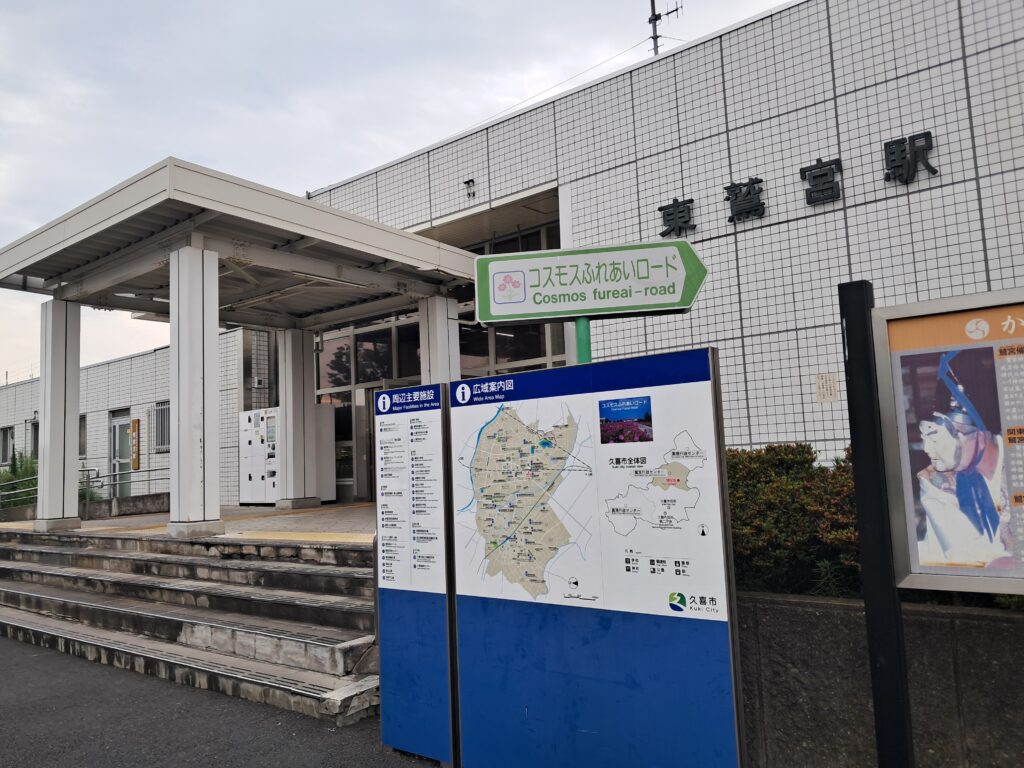
The nearest station to Hyaku-Kannon Onsen is Higashi-Washinomiya Station on the JR Utsunomiya Line.
In Saitama Prefecture, where many hot spring facilities are located a bit far from train stations, I’m delighted by this miraculously convenient location right next to the station.
It takes less than five minutes on foot to walk from the West Exit of Higashi-Washinomiya Station to Hyaku-Kannon Onsen.
There’s a sign at the rotary in front of the station, so there’s absolutely no chance of getting lost!
▶Tokyo Station – Higashi-Washinomiya Station: 1 hour by JR Utsunomiya Line (without transfer) | ¥1030
▶ Shinjuku Station – Higashi-Washinomiya Station: JR Shonan Shinjuku line → (Transfer at Omiya Station) → 1 hour by JR Utsunomiya line| ¥910
Even if you’re coming by car, you can rest assured that there’s a spacious, free parking lot right in front of the facility.
It’s right next to the station, yet getting there by car is no trouble at all — it really gives you the impression that “That’s Saitama Prefecture for you! (They’ve got land to spare)!”
Let’s discover Hyaku-Kannon Onsen!
Now that you have a little idea of what Hyaku-Kannon Onsen is like, let’s head to the hot springs…!
I’ll give you a frank and detailed report—covering everything from things to keep in mind when visiting and how crowded it gets, to my actual experience bathing there and even the things I thought could be improved!
Reception Hall
The appearance of the building of Hyakkannon Onsen has a Showa retro feel.
However, the interior has been completely renovated and can be used comfortably.
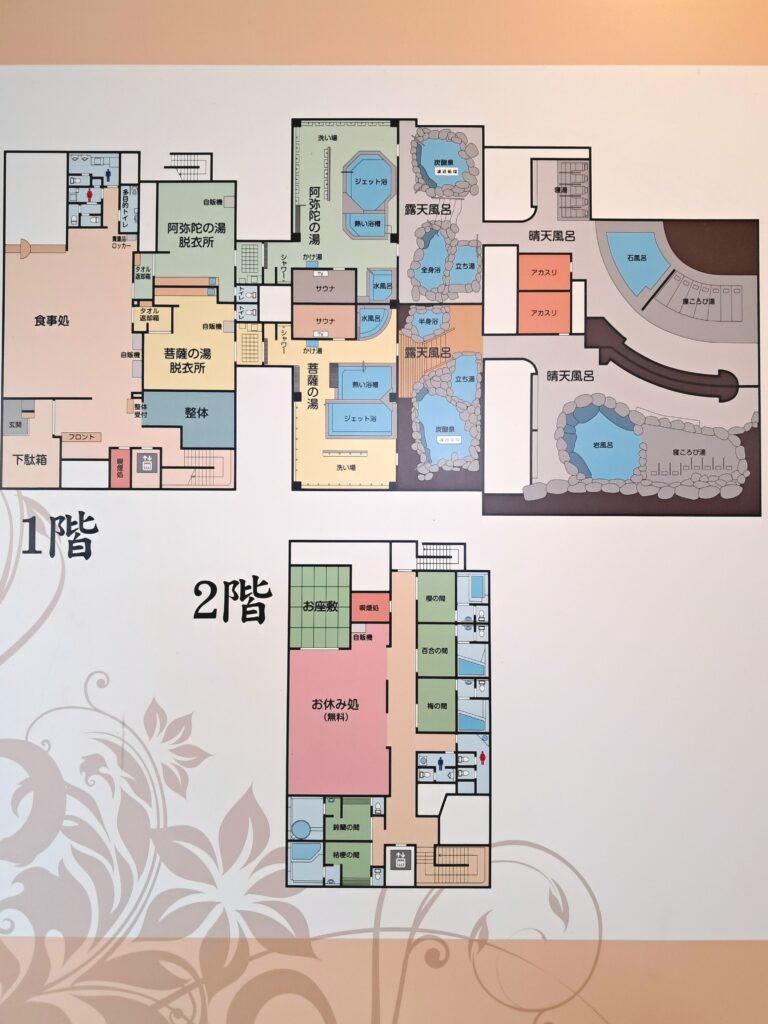
The building is two stories tall. The main first floor houses separate men’s and women’s public baths, changing rooms, and a restaurant.
The second floor features five private baths available for families and groups, as well as a rest area equipped with reclining chairs. Guests are free to move about the entire facility.
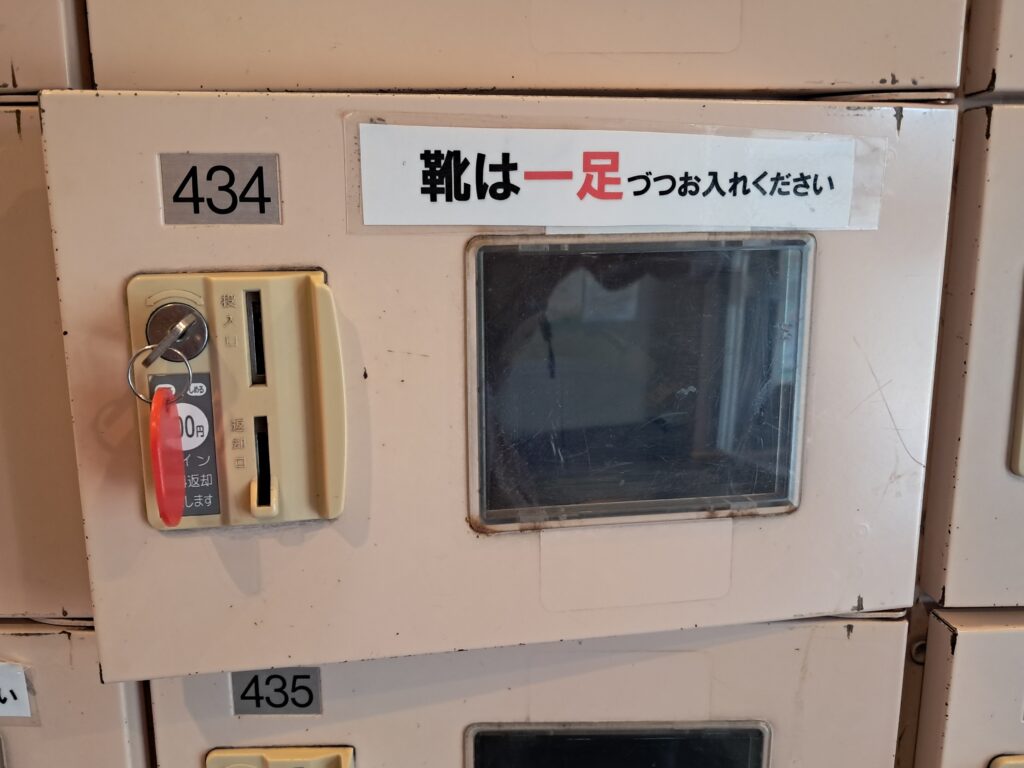
▲ As I mentioned earlier, at Hyaku-Kannon Onsen, cashless payments such as credit cards are possible.
For the use of restaurants in the building, a wristband is provided at the time of entry, and the entrance fee is paid later.
However, it makes no sense that you need a 100-yen coin (which is returned later) to lock both the shoe rack and the locker in the changing room.
Well, I guess it’s not so bad—it gives off a retro Showa-era vibe—but if they’re going to do it anyway, they might as well go cashless for everything…
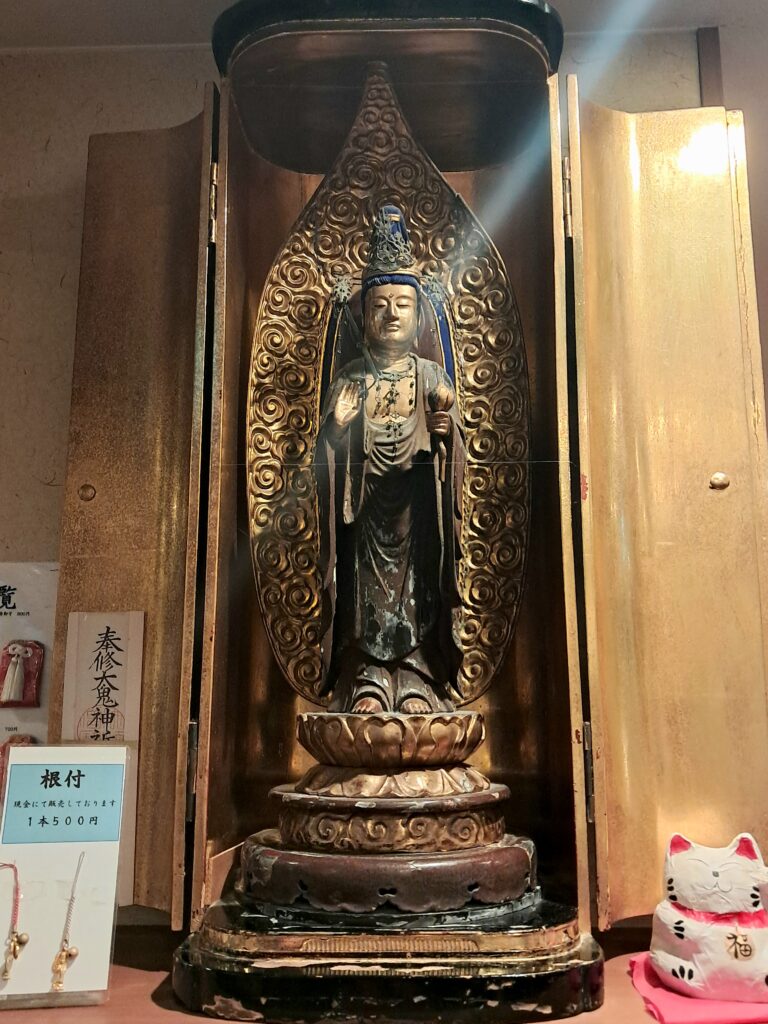
There is a small reception right after entering, where you hand over the key of the shoe box and get a wristband with the key to the locker.
Since the locker number is fixed, let’s aim for the locker with the number written on the wristband.
Large public bath area
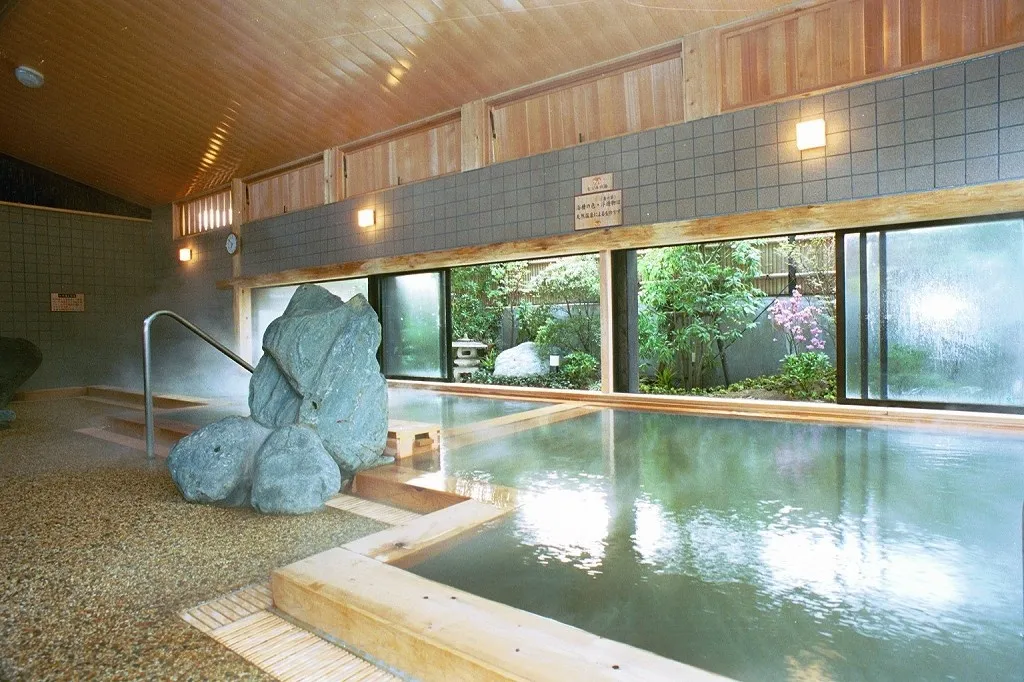
I’ve mentioned the excellent water quality at Hyakukannon Onsen many times before, but what’s truly wonderful is that the bathing facilities designed to let you enjoy that water are also quite extensive.
At typical day-trip hot spring facilities, you’ll usually find just an indoor bath area and an open-air bath area at most, but at Hyaku-Kannon Onsen, there’s an indoor bath area, a semi-open-air bath area, and a scenic open-air bath area —meaning there are actually two separate open-air bath areas. (As you’d expect from Saitama, they’re incredibly generous with their use of spa…)
As I’ve mentioned many times before, please note that you’ll need a 100-yen coin (which is returned later) to lock your locker in the changing room.
The men’s changing room has three hair dryers, and I was pleased to see that facial toner was also provided (after all, even guys care about their skin these days).
Semi-Open-Air Bath Area
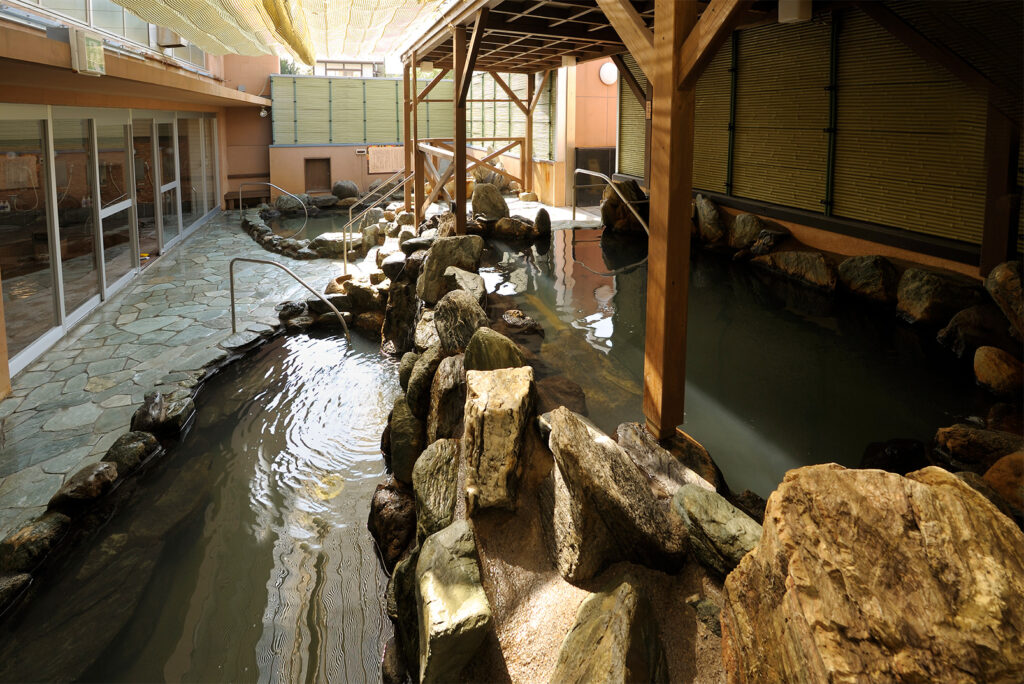
When you go outside from the indoor bath area, there is a semi-open-air bath area for rainy weather.
There are three bathtubs, mainly super hot spring at 46.5°C, carbonated hot spring bath at around 37°C, and small half-body hot spring bath at around 42°C.
Because you can soak in the lukewarm water for a long time, the carbonated hot spring bath is the most popular one in the entire bathhouse. Carbonated baths fed directly from the source are quite rare, and it’s said that you can enjoy the dual benefits of improved blood circulation from the carbonation and the health benefits of the hot spring water.
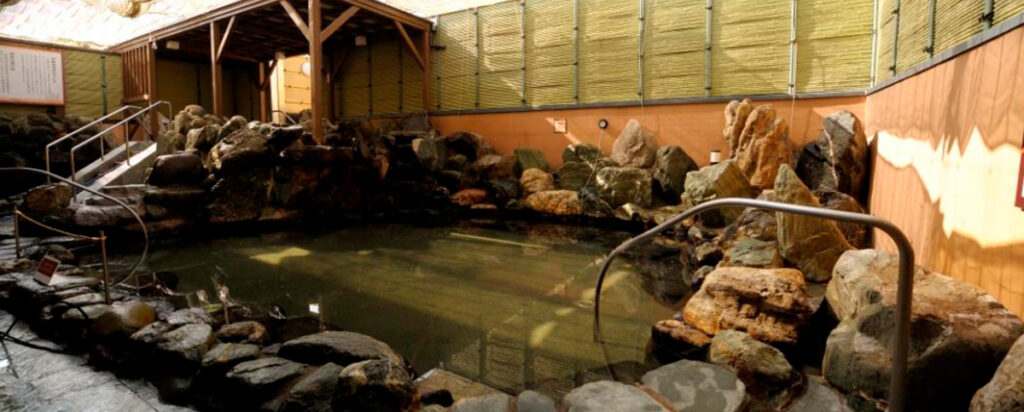
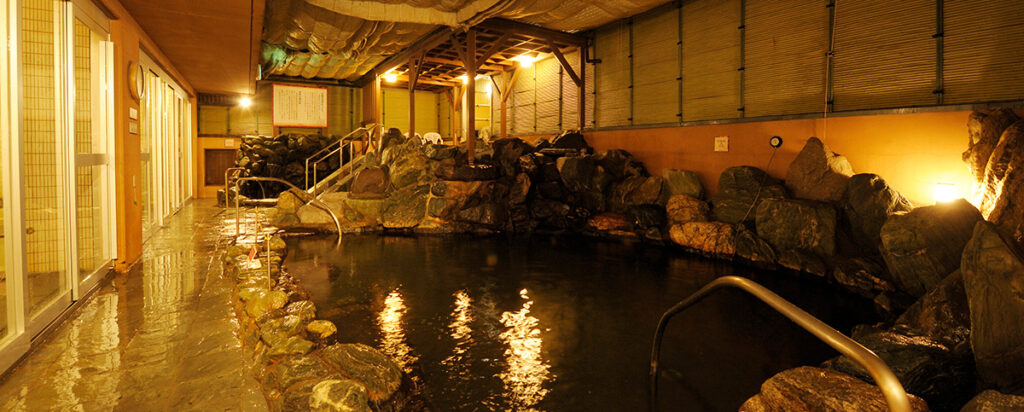
Also, the 46.5°C hot spring—the main attraction of Hyakukannon Onsen—is rarely used, perhaps because the water is simply too hot.
At first, it feels quite hot, but after soaking for about 10 seconds, your body gets used to it, and you begin to feel a sense of relaxation that’s a cut above that of a regular bath.
What’s particularly noteworthy is that you can hardly detect any chlorine odor from the water in any of the baths.
The only scent wafting from the smooth, brown water is the distinctive aroma of a natural hot spring, and since fresh spring water is constantly flowing into every bath, it feels very natural.
Panoramic Open-Air Bath Area
Beyond the semi-open-air bath area, at the top of the stairs, lies the panoramic open-air bath area, which opens up before you.
Although it’s called “panoramic,” it doesn’t offer a spectacular view; rather, you can gaze up at the vast Saitama sky stretching out above you.
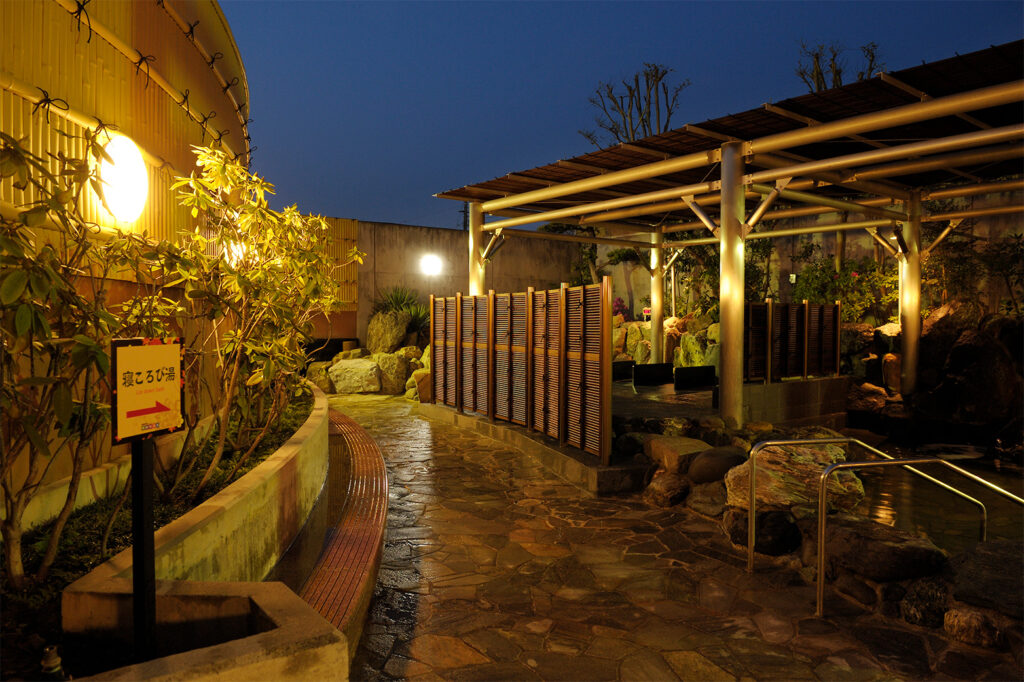
In terms of structure, this open-air bath area was probably added later.
This is also quite dynamic how to use the site.
The panoramic open-air bath area features two tubs: a large open-air bath and a reclining bath. Both are filled with spring water that has been cooled to around 42°C.
Although the water in the large open-air bath feels slightly hot, I think the temperature is just right when you factor in the outside temperature. Outside the baths, there’s a long row of spacious seating areas, so it never feels cramped. Since there aren’t many people around, you can relax to your heart’s content.
Personally, my favorite part was the reclining bath located at the very back of the panoramic open-air bath area. Warm spring water flows continuously from your head down to your feet, and the vast sky stretches out before you… It’s so comfortable that you’re bound to drift off to sleep.
Indoor Bath Area
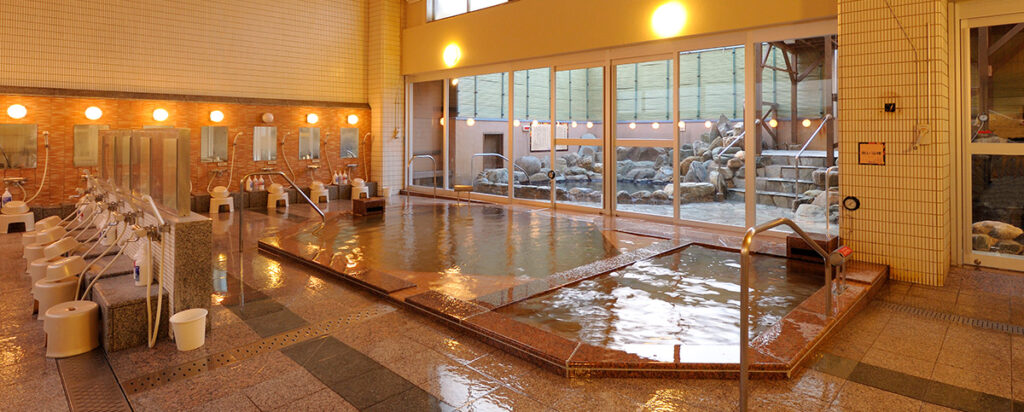
The indoor bathing area, which is connected to the changing room, features a sauna, a cold plunge pool, a shower area, a bath fed by the natural hot spring source, and a jet bath.
Although the jet bath is also fed by the hot spring, it has only two jet nozzles, so it’s often occupied and rarely available—which might be a drawback.
Shampoo, conditioner, and body soap are provided at each shower station, so you don’t have to worry.
Personally, I was happy to see that the showers used a valve system (where you turn the faucet yourself) rather than a push-button system.
These days, many day-trip hot spring facilities have adopted push-button showers where the water runs for about 10 seconds after you press the button and then automatically shuts off.
I suppose there are various reasons for this, like water conservation or preventing people from forgetting to turn the water off, but honestly, it’s a pain… You tend to end up thinking, “Aaargh!!” ! That tends to happen.
However, the showers here at Hyaku-Kannon Onsen are the type where, once you turn the valve, the hot water keeps flowing.
Since it works just like a shower in any home, it’s wonderful to be free from the “Aaaargh!!! problem” where the water stops on its own while you’re shampooing, leaving you unable to open your eyes and forced to grope around for the button.
To you Tokyoites out there with a strong eco-consciousness and a penchant for saving money who might be worrying, “If they’re using water like that, won’t the water bill be astronomical…?” —welcome to Saitama Prefecture! (Déjà vu)
As I’ll explain in the next section, there’s a secret behind the water used at Hyaku-Kannon Onsen…!
Sauna and Cold Plunge Pool
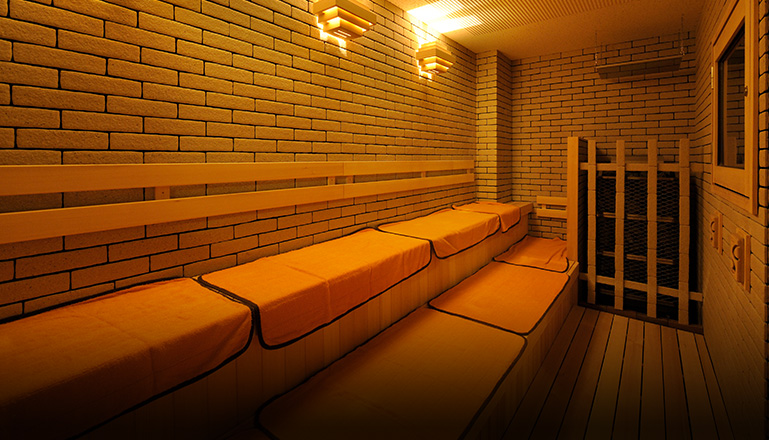
Riding the wave of the sauna boom that has swept Japan in recent years, Hyaku-Kannon Onsen has also installed a sauna in its indoor bathing area. However, there is only one sauna, and with a capacity of about 10 people, it feels a bit cramped.
While many hot spring facilities tout their sauna amenities as a selling point, Hyaku-Kannon Onsen gives the impression that “the hot springs are the main attraction—the sauna is just a bonus.”
Another downside is that the sauna temperature is on the low side, in the 70s Celsius.
Structurally, the sauna door isn’t a double door but a single door directly connected to the indoor bath area, so outside air flows in every time someone enters or exits—which might be why the sauna has trouble heating up (or perhaps because it’s full of elderly guests, and if it got too hot, someone might actually die).
While the sauna itself leaves me thinking, “Hmm…,” the cold plunge pool right next to it is actually quite nice.
The water temperature is around 22°C, which is quite lukewarm for a cold plunge pool, but this subtly cool water pairs perfectly with the somewhat underwhelming sauna temperature and the hot spring baths.
As a result, you can easily alternate between the sauna and the cold plunge pool, or between the hot baths and the panoramic open-air bath and the cold plunge pool, without putting a strain on your body.
This greatly expands the range of hot and cold bathing options, allowing you to tailor your experience to your physical condition and preferences.
However, why is this cold plunge pool’s temperature just a bit on the lukewarm side…?
The reason is that it uses natural well water drawn from underground, which is fed directly into the pool without any heating or cooling. Being able to immerse yourself directly in mineral-rich groundwater—rather than tap water—is a major benefit.
It also makes sense that the shower water and hot water are available in unlimited quantities via valve-controlled systems, since this abundant groundwater is used (meaning there are no water bills).
Other facilities (Rest area / Restaurant etc…)
Once you’ve fully enjoyed the exceptional water quality, it’s time to relax however you like—whether that’s having a meal or taking a nap.
Now, let’s take a look at the facilities at Hyakukannon Onsen other than the bathing areas!
A rest area with subtle Showa-era vibe
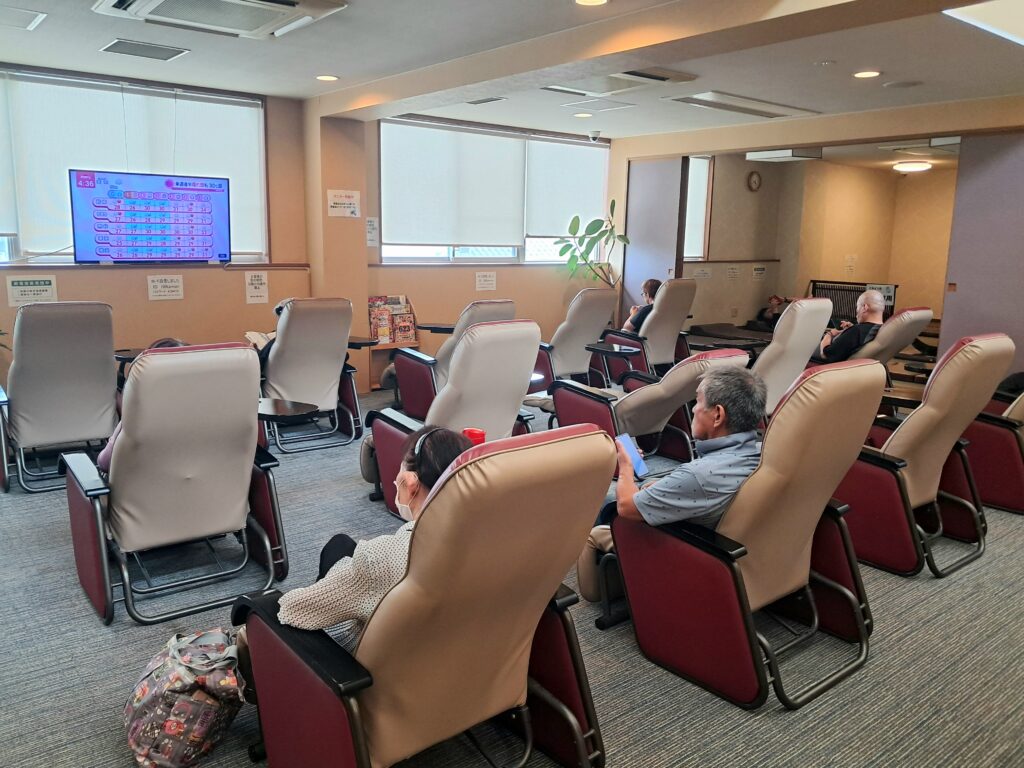
Most of the second floor at Hyaku-Kannon Onsen is taken up by a rest area lined with reclining chairs. With a total of about 20 reclining chairs, it might seem a bit sparse, but given the size of the facility, this number may be sufficient (and in fact, there weren’t that many users).
The recliner area is co-ed, but tucked away at the back is a quiet resting area that includes a few beds reserved exclusively for women.
In addition to the smoking area behind the reception desk on the first floor, there is also a smoking area on the second floor where the rest area is located, so smokers can feel at ease. Smoking areas are strictly separated, and smoke does not escape outside.
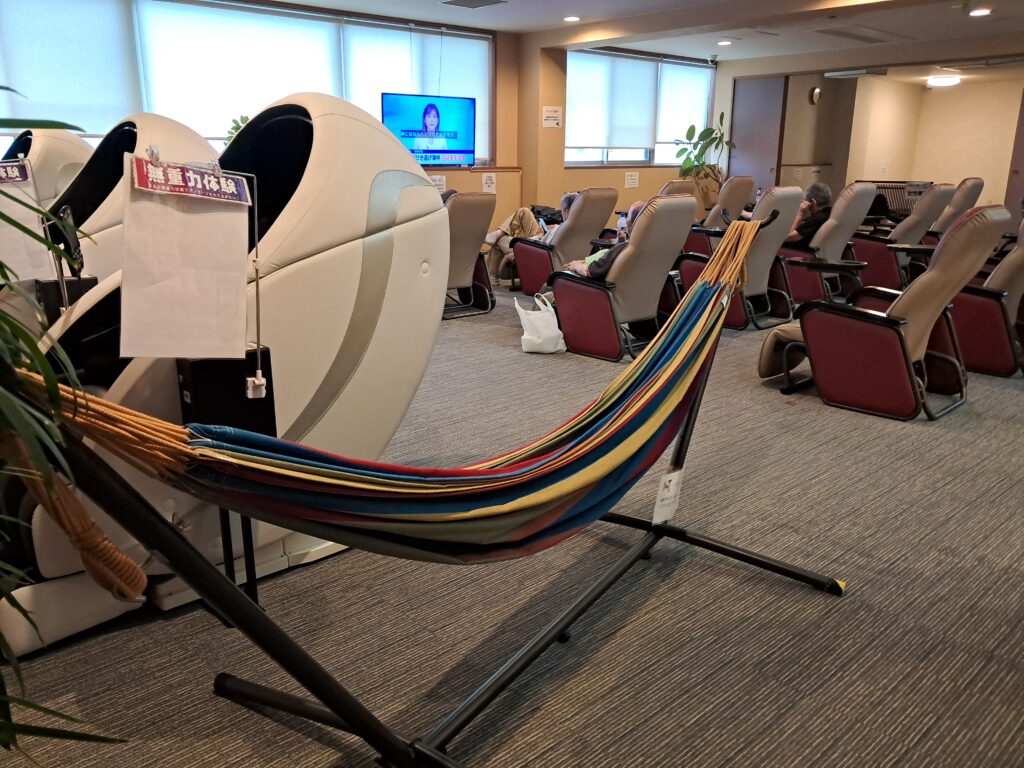
The rest area doesn’t have any manga or the like; it really feels like a place meant solely for “getting some rest.”
Perhaps as a result of considering the clientele, even though there are no manga, there are dozens of weekly news magazines and entertainment magazines available—presumably so that elderly folks with time on their hands can use them as a source of celebrity scandal gossip and conversation starters.
There was only one modern-style (?) hammock set up in the rest area, but hardly anyone used it. You’d think a hammock would be a huge hit, but the fact that it’s unpopular here seems to reflect the clientele at Hyaku-Kannon Onsen (though maybe the elderly folks just don’t understand what this big piece of fabric is for).
The restaurant is reasonable! but…
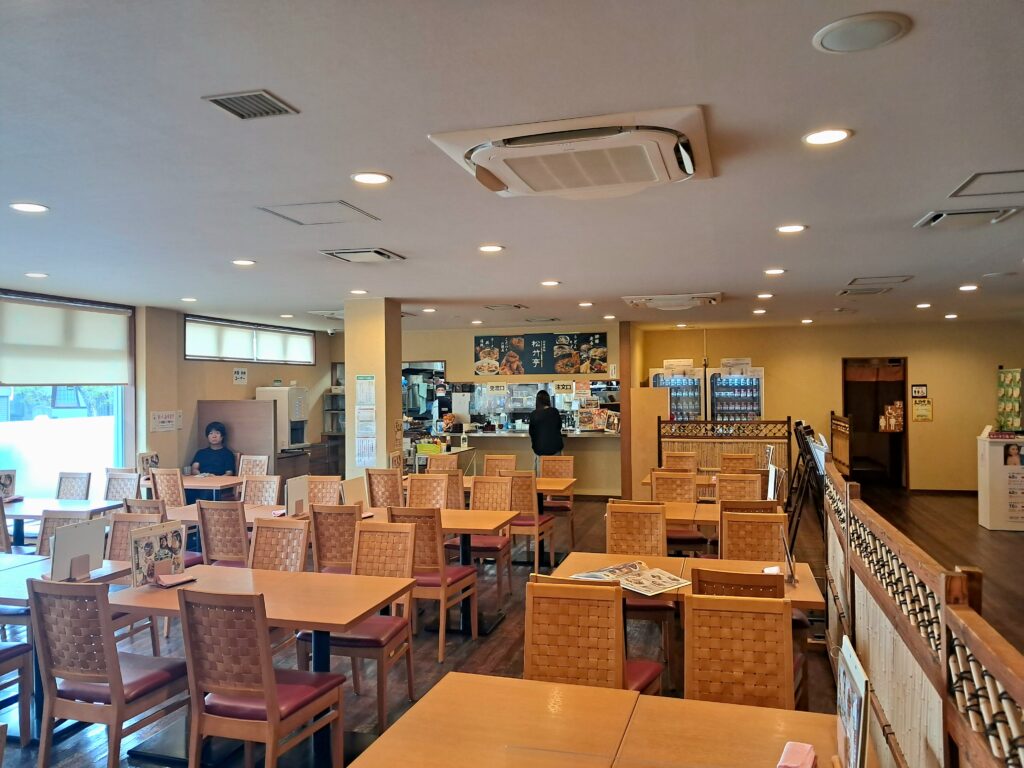
Right outside the men’s and women’s changing rooms is a self-service restaurant where you can grab a quick drink or enjoy a hearty meal.
Compared to the spacious layout of the bathhouse, the restaurant feels a bit cramped. This, too, may be influenced by the philosophy (?) unique to Hyaku-Kannon Onsen: “The hot springs are the main attraction, no matter what!”
However, the restaurant’s menu is surprisingly extensive. It offers a wide variety of dishes, from noodles to fried foods and set meals, and the prices are relatively reasonable. ▼
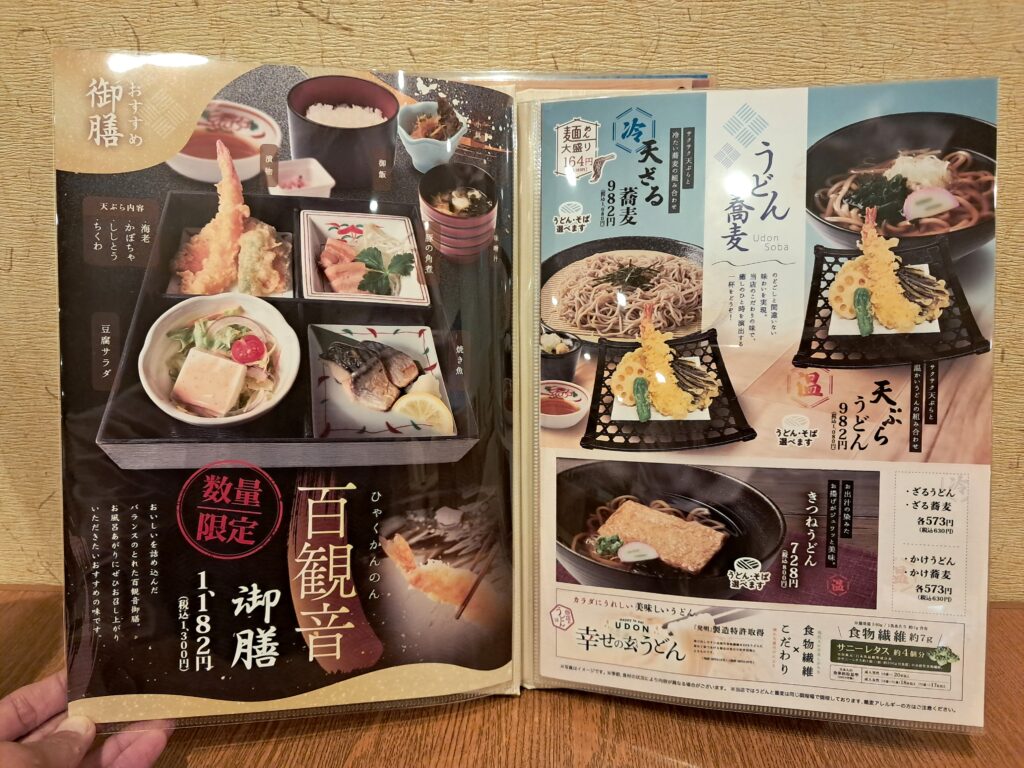
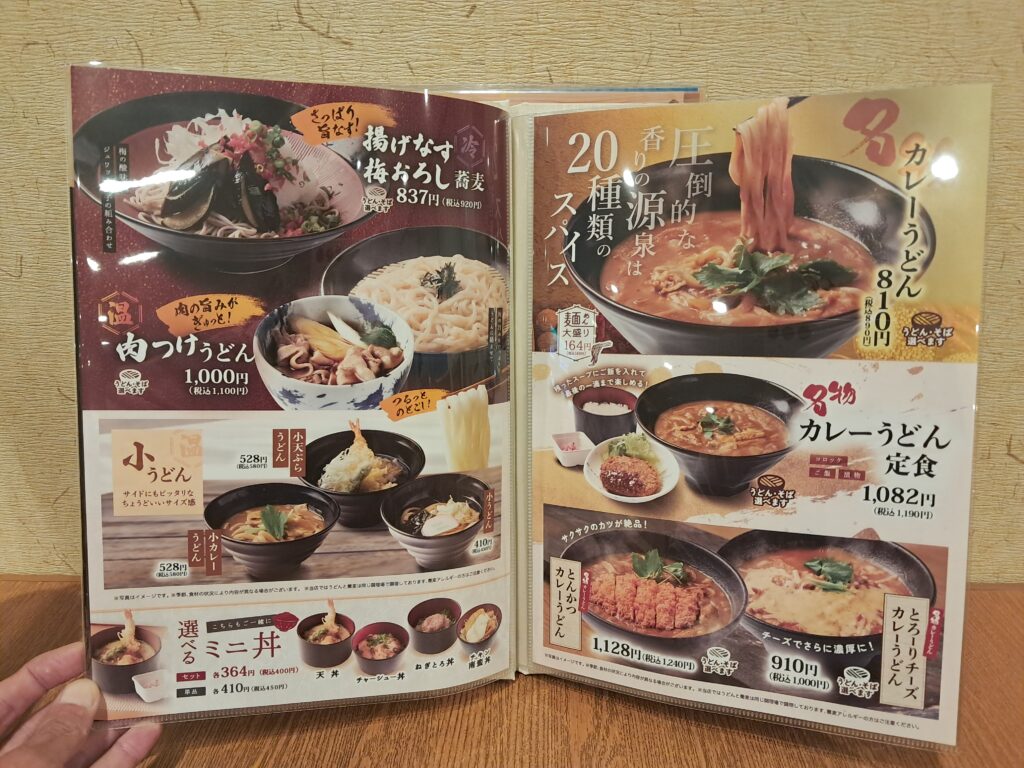
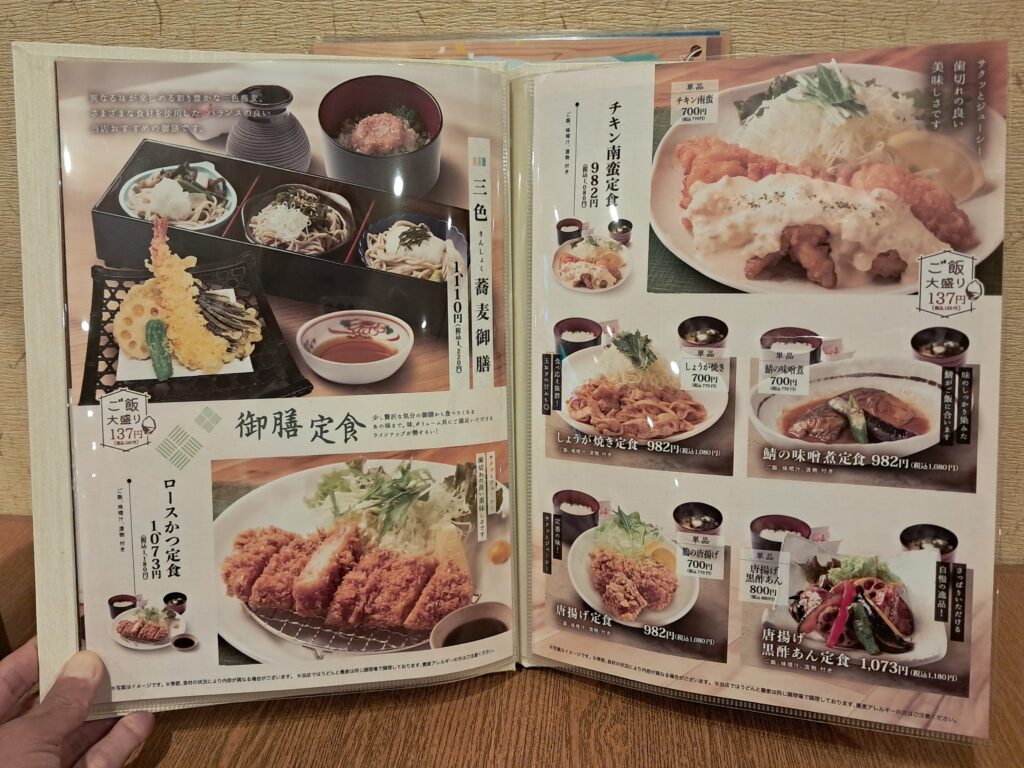
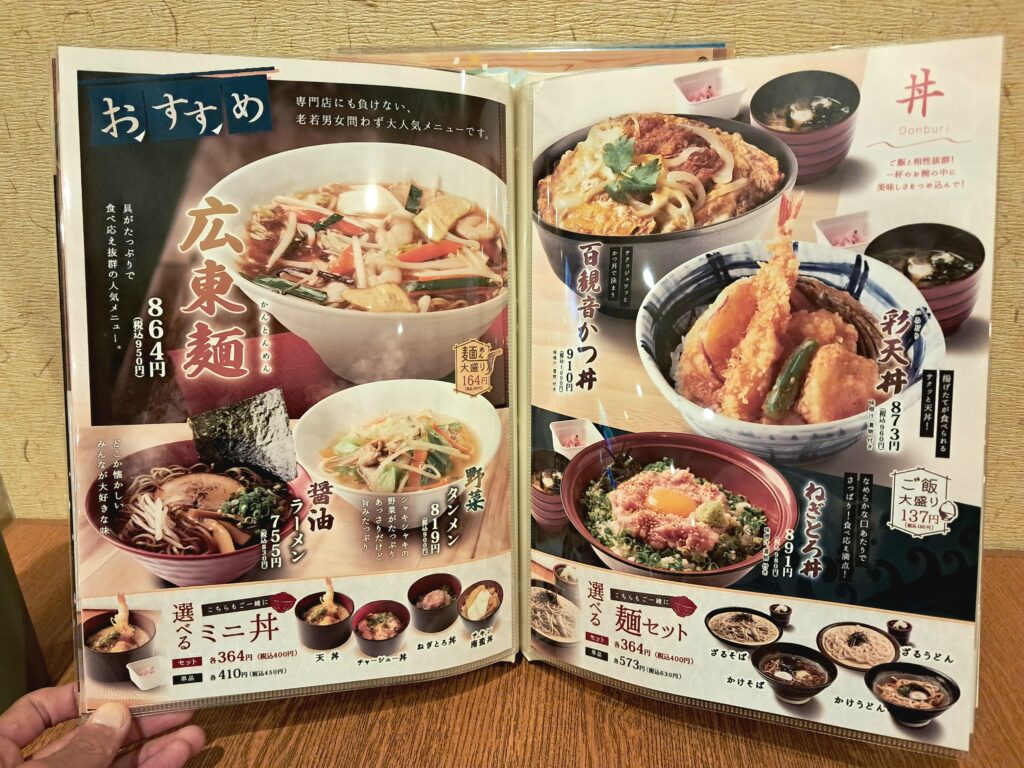
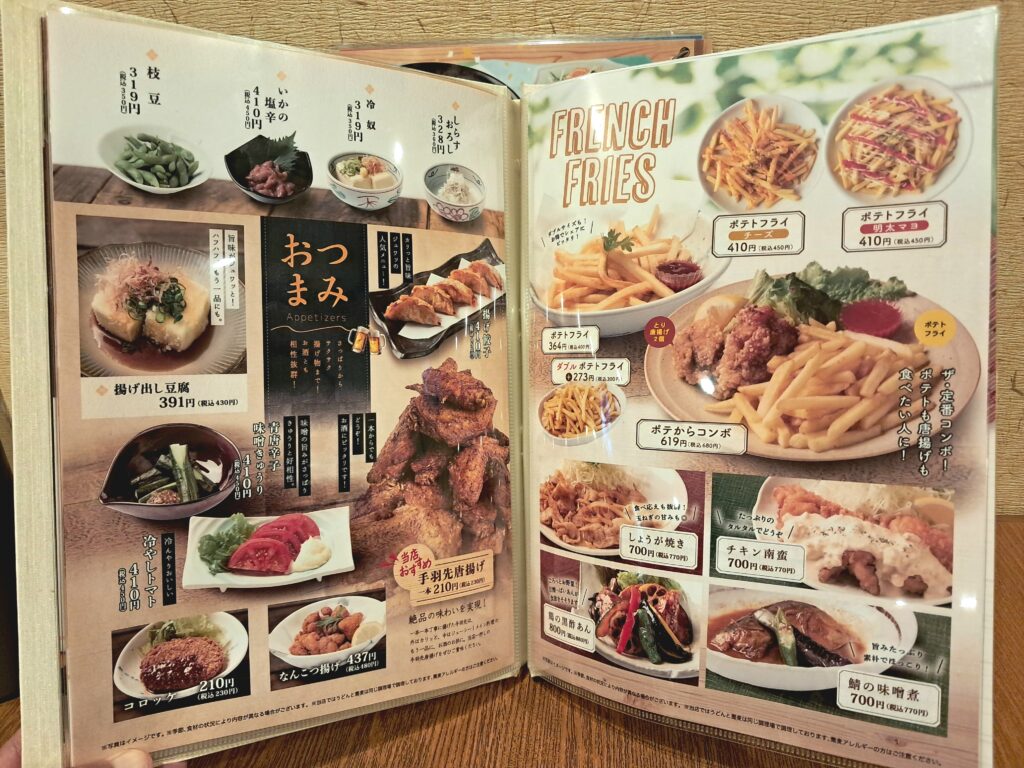
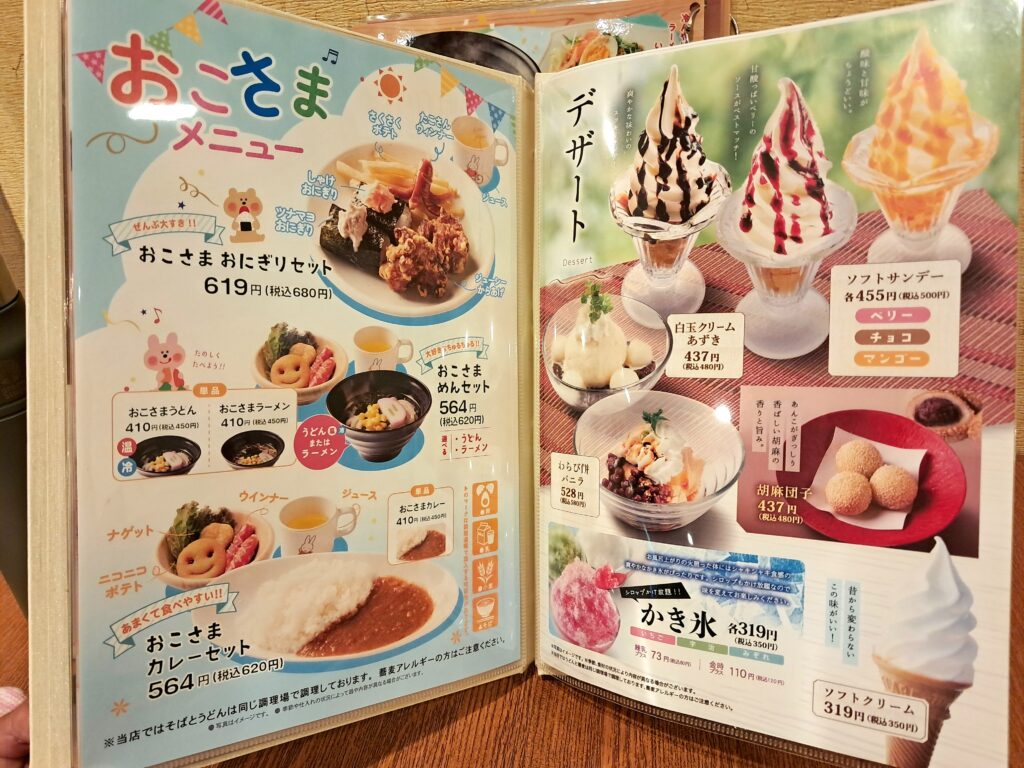
Completely satisfied with the hot springs and feeling utterly relaxed, I decided to loosen the purse strings a bit and grab a bite to eat.
The menu was so extensive that I had a hard time deciding what to order, but finally decided to try the “Hyaku-Kannon Katsudon”—a pork cutlet bowl named after the hot springs (I’m the type who’s completely helpless when it comes to local specialties like this).
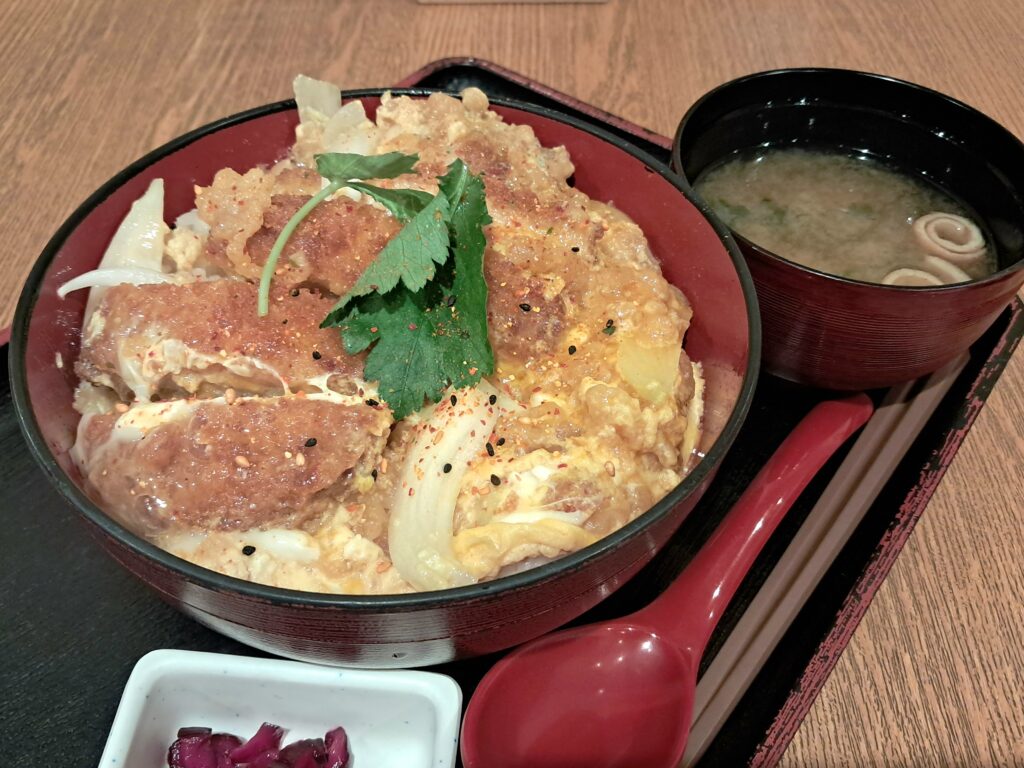
Whoa…! It looks kind of delicious…!
At least, that’s what you’d think just by looking at it… I thought so too… but.
This katsu-don… how should I put it… has a very unique flavor…
No, let me be blunt… it was absolutely disgusting.
The cutlet itself was crispy and thick, but the rice underneath was the epitome of sogginess.
It was so bad that I started to worry, “Did the rice cooker leak a ton of groundwater?” and felt compelled to ask, “Is this your first time cooking rice?” Anyway! The rice! It was awful! A total mush!
Any restaurant that serves rice—our staple food as Japanese people, a bundle of love, and the crystallization of our passion—in such a mushy state is, without exception, completely worthless. Please just go out of business.
On top of that, the egg-topped pork cutlet sitting on top of the mushy rice was incredibly bland, and the onions were—unbelievably—raw. This isn’t some half-cooked or undercooked nonsense. It was completely raw.
Wait, is there really a culture in Saitama Prefecture where people eat raw onions in katsu-don? That can’t be right, can it?
The Hyakukannon Katsu-don was so disgustingly bad it made me want to flip the table in a fit of rage.
I don’t know if this was just a fluke or if their katsu-don is always like this, but the adage “a restaurant with bad rice = everything tastes bad” has been proven time and again throughout Japan’s long history.
So, from my perspective, I don’t recommend eating here. At the very least, you should avoid the katsu-don!
I strongly recommend just using the hot springs here—which are absolutely top-notch—and eating somewhere outside the facility instead (there are plenty of delicious restaurants in Kuki City anyway).
Summary: Overall Evaluation & Recommended Sightseeing Plan
Overall Evaluation of Hyaku-Kannon Onsen
So, I’ve been sharing all sorts of details about Hyakukannon Onsen.
To wrap things up, I’m going to rate Hyakukannon Onsen—based entirely on my own subjective opinion—covering everything from the quality of the hot springs to the facilities!
・Access: 10/10
・Availability: 8/10
・Staff: 9/10
・Size of bathhouse・Openness: 9/10
・Cleanliness: 7/10
・Quality of hot spring: 10/10
・Variation of bath: 7/10
・Sauna: 3/10
・Dressing room amenities・Equipment: 7/10
・Convenience of use system: 8/10
・Guest quality: 8/10
・Atmosphere: 7/10
・Meals: 1/10
・Rest space: 5/10
・Cost: performance 9/10
Overall: 7.9/10
So, that’s about it. Unfortunately, it didn’t quite reach a score of 8.0 or higher, but that’s entirely because the food was just too bad (seriously, they really need to do something about that).
With its unquestionably excellent spring water quality, reasonable prices, and bold use of space…Hyaku-Kannon Onsen is undoubtedly one of Saitama Prefecture’s top-tier day-trip hot spring resorts.
For those who don’t mind the facility’s atmosphere, which has a faint whiff of the Showa era, or the well-worn building, it’s nothing short of heaven.
The staff are friendly, making for a pleasant experience, and crowding is never an issue—in fact, it’s actually quite uncrowded for a day-trip hot spring facility.
While the building isn’t huge by any means, the space is laid out generously without feeling cramped, so it’s a place where you can truly unwind and relax.
I can’t really find any negative points regarding the hot springs themselves, but the sauna is a bit lacking in both size and temperature, so it might not be the best choice for those coming specifically for the sauna. On the other hand, I highly recommend it to anyone who wants to enjoy the hot springs themselves and the open, airy feel of the bathing area.
To reiterate, the food was simply not good, so you’re better off eating somewhere else (or ordering something other than the katsu-don).
If you want to go sightseeing wiith Hyaku-Kannon Onsen…
Hyakkannon Onsen is located in the Washinomiya area of Kuki City, Saitama.
The surrounding area is home to everything from popular tourist attractions to towns where you can enjoy culinary delights unique to Saitama Prefecture, so I recommend combining your visit to the hot springs with some sightseeing.
Washinomiya Shrine: Paying a Visit to a Famous Anime Pilgrimage Site
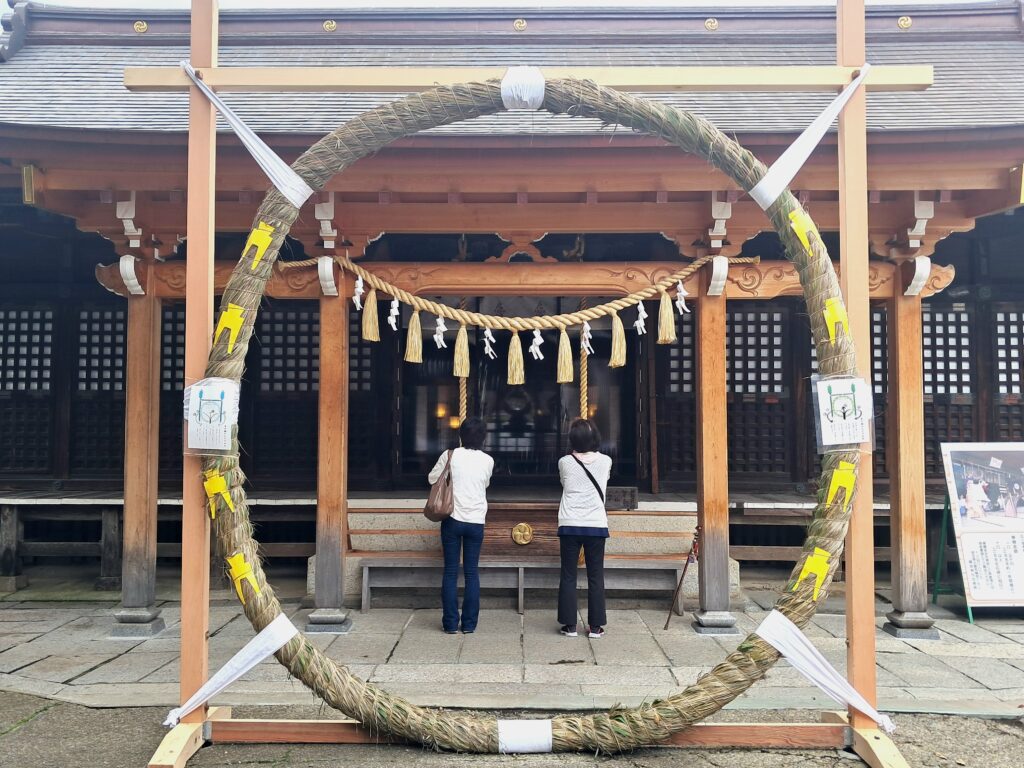
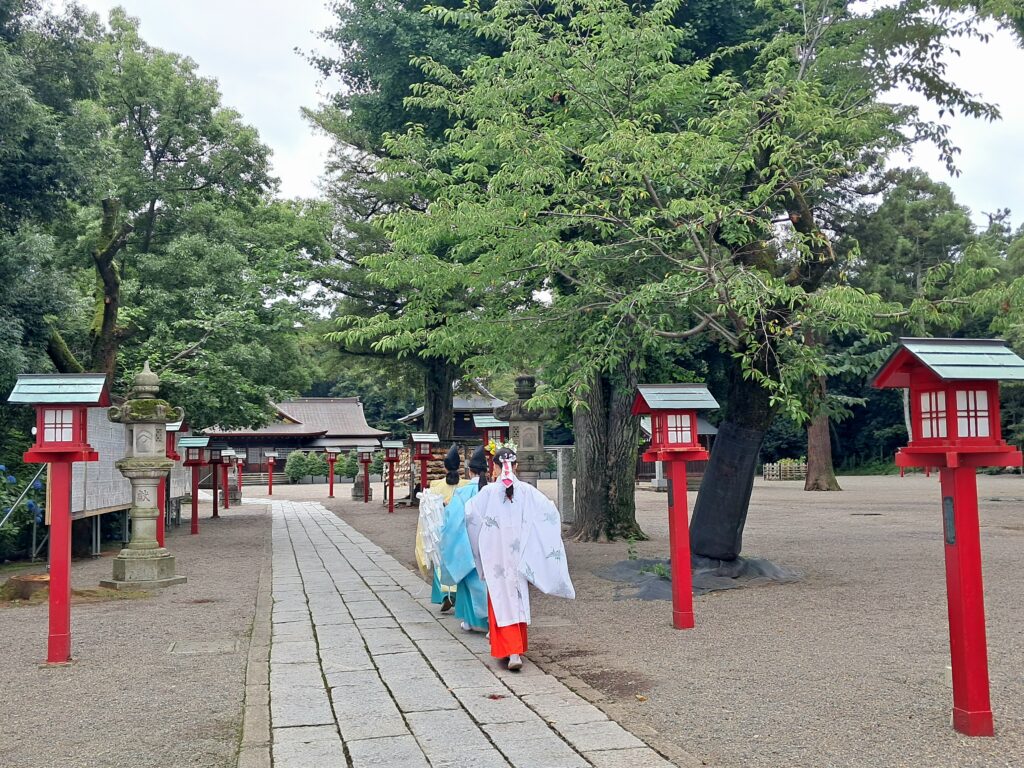
Located in the same Washinomiya district(30-minute walk from Hyaku-Kannon Onsen), Washinomiya Shrine is a venerable sacred site with a long history..
In recent years, visitor numbers have surged as the site has become famous for being the setting of the hugely popular anime “Raki☆Sta,” but the fact that neither the shrine nor the town has capitalized on this tourism boom and has retained its authentic character is a big plus.
There is a constant stream of people paying their respects at Washinomiya Shrine, and you can frequently see shrine maidens performing prayer rituals—it’s wonderful to experience this “sacred site that has preserved its traditions intact.”
Kuki City: Indulging in Mysterious Culinary Delights in a Town That Goes Above and Beyond
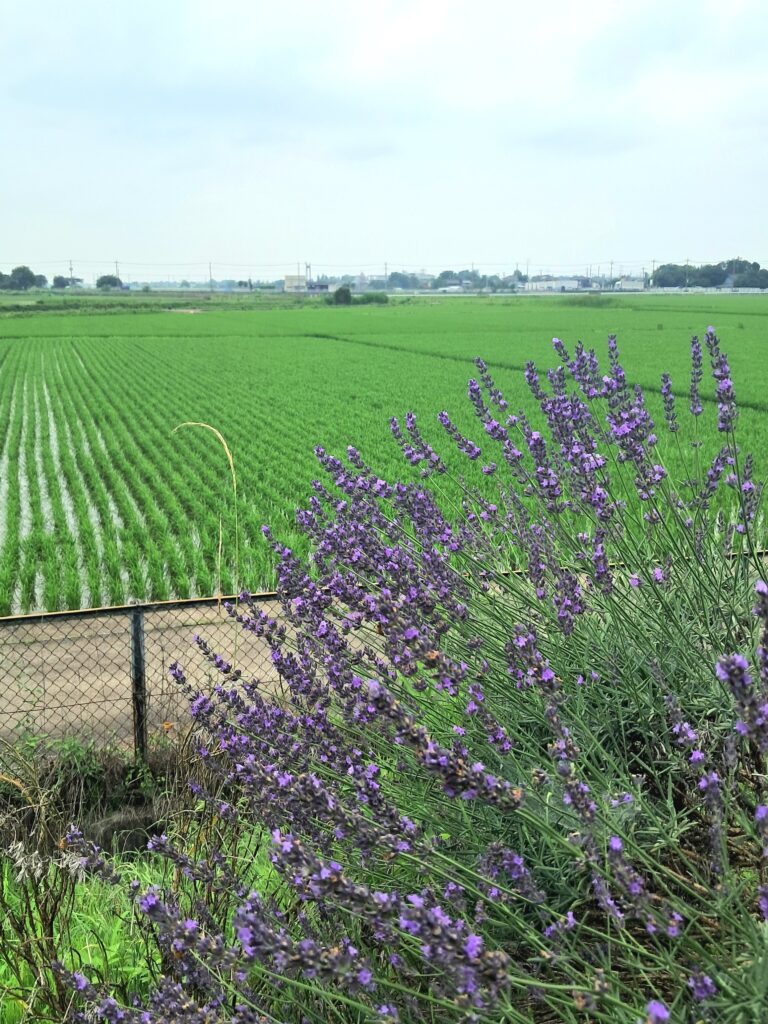
Kuki City, home to the Hyaku-Kannon Hot Springs, is a central town in the northeastern part of Saitama Prefecture that boasts a surprisingly large area.
It’s accessible via two railway lines—JR and Tobu—so transportation is quite convenient.
While Kuki City may not seem to have many notable tourist attractions, its greatest charm lies in its “off-the-wall” vibe. From bizarre local cuisine to a marsh rumored to be “Saitama’s Bora Bora Island” and a hot spring facility that, for some reason, raises sea urchins…all sorts of things in Kuki City go way beyond common sense.
Kazo City: Eat Your Heart Out in Saitama’s Top Udon Town
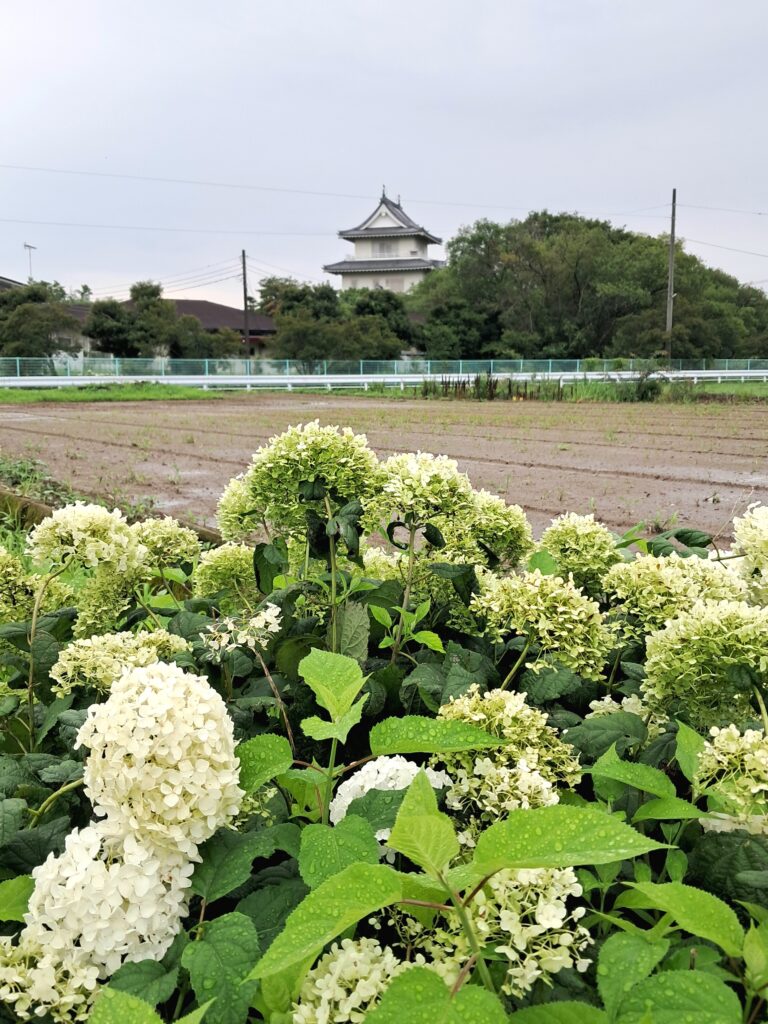
Located just north of Kuki City, Kazo City is a small town set against a backdrop of peaceful rural scenery.
From the ruins of a Sengoku-period castle to sweets made with the region’s famous fruits and cycling along the Watarase Flood Control Reservoir, this town offers something for everyone.
Furthermore, in Saitama Prefecture, Kazo City is known as the “Town of Udon.”
Small udon restaurants serving the local specialty, Kazo udon, are scattered throughout the town, and it’s a real treat to try them one by one to find your favorite.
Comments