

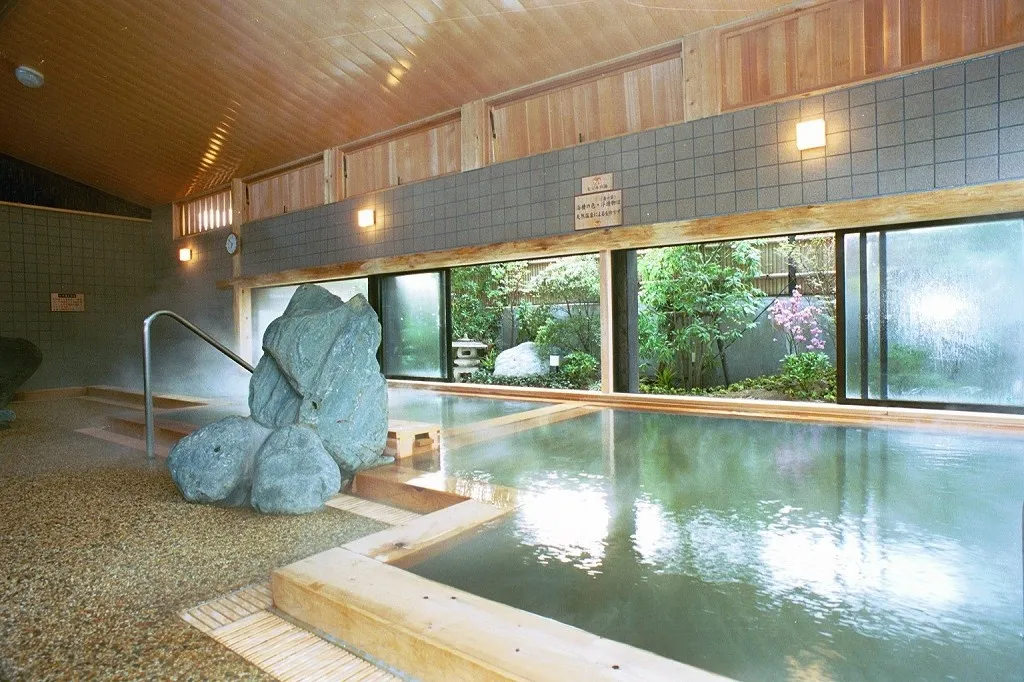
It’s not widely known, but Saitama Prefecture is actually a hot spring paradise.
Hot springs with different water qualities depending on the region bubble up here, and most of them have been developed into day-trip hot spring facilities, allowing visitors to easily enjoy a hot spring experience at reasonable prices.
In this report, I’ll be featuring “Mori no Seseragi Nagomi,” a natural hot spring located in Kuki City, Saitama Prefecture.
Although it’s situated right in the middle of a residential neighborhood, it’s a facility where you can enjoy an authentic hot spring experience.
The biggest draw of the natural hot spring “Mori no Seseragi Nagomi” (which is a long name, so I’ll refer to it as “Nagomi Onsen” from here on) is that you can enjoy fresh, mineral-rich water that gushes up from deep underground, flowing directly from the source.
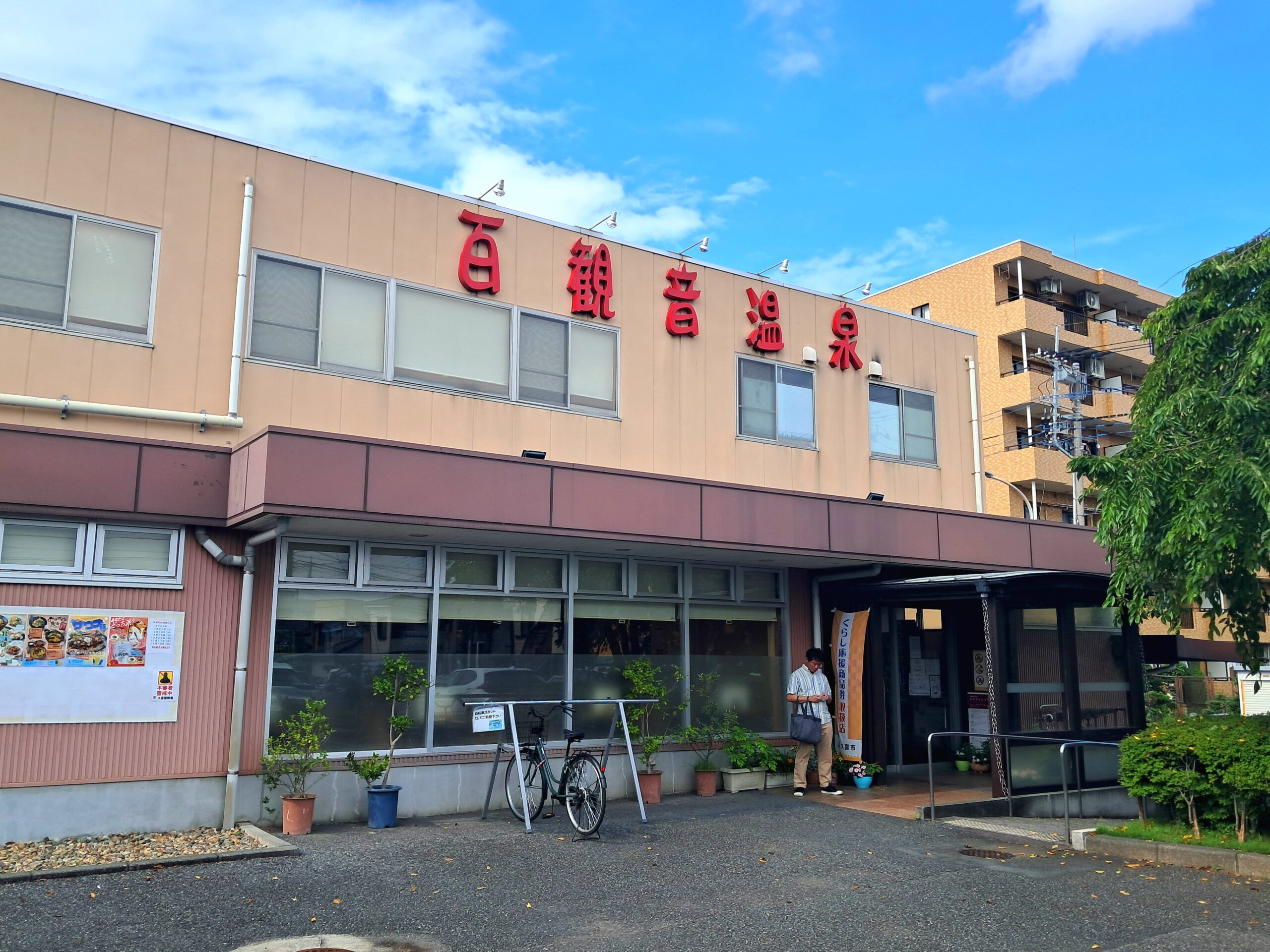
Although Kuki City is also home to Hyaku-Kannon Onsen—renowned as “Saitama Prefecture’s finest hot spring”—the water quality at Nagomi Onsen is certainly no slouch either.
At first glance, it might seem like just another “typical day-trip hot spring facility near Tokyo,” but the real appeal of this place is its unique character.
Let’s head to this mysterious hot spring facility—where Saitama’s off-the-wall sense of style shines through—to find some relaxation!
Exceptional spring water and a mysterious concept… What is Nagomi Onsen?
Something seems a little strange? Here’s what Nagomi Onsen is really like!
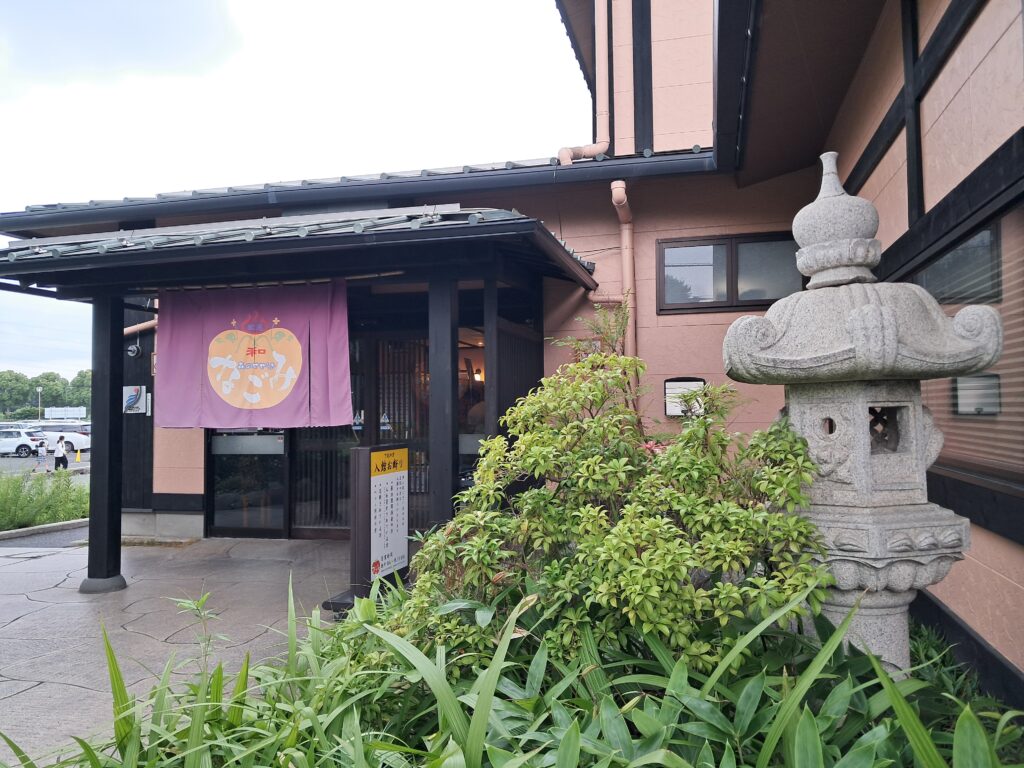
The building at Nagomi Onsen features a lovely, purely traditional Japanese style reminiscent of a hot spring inn.
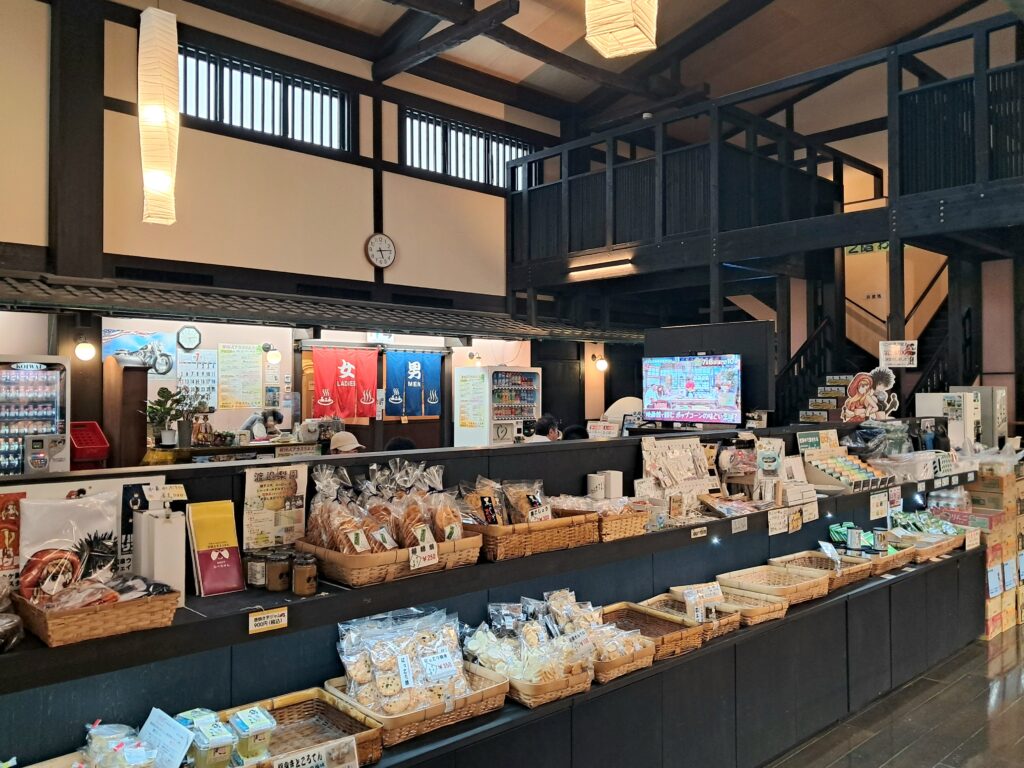
The interior, designed in a unified black-and-white color scheme, also creates a distinctly Japanese atmosphere.
On the other hand, the grounds aren’t particularly spacious and I felt it was a bit cramped, especially by Saitama Prefecture standards, where many facilities tend to be large.
Since the baths, dining areas, and other facilities are packed tightly into a relatively small space, it does feel a bit cramped.
At first glance, it seems like a typical day-trip hot spring facility found in the Tokyo suburbs, but if you actually visit, you’ll immediately notice something unusual.
That’s because there are items scattered here and there that seem out of place in a hot spring facility…
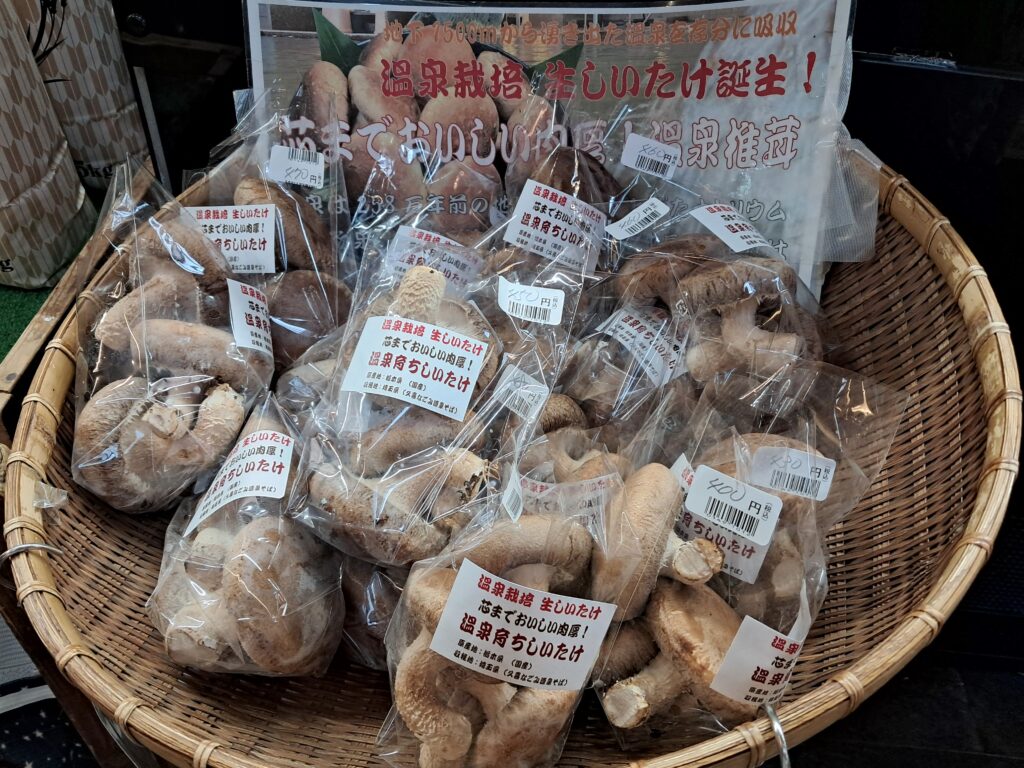
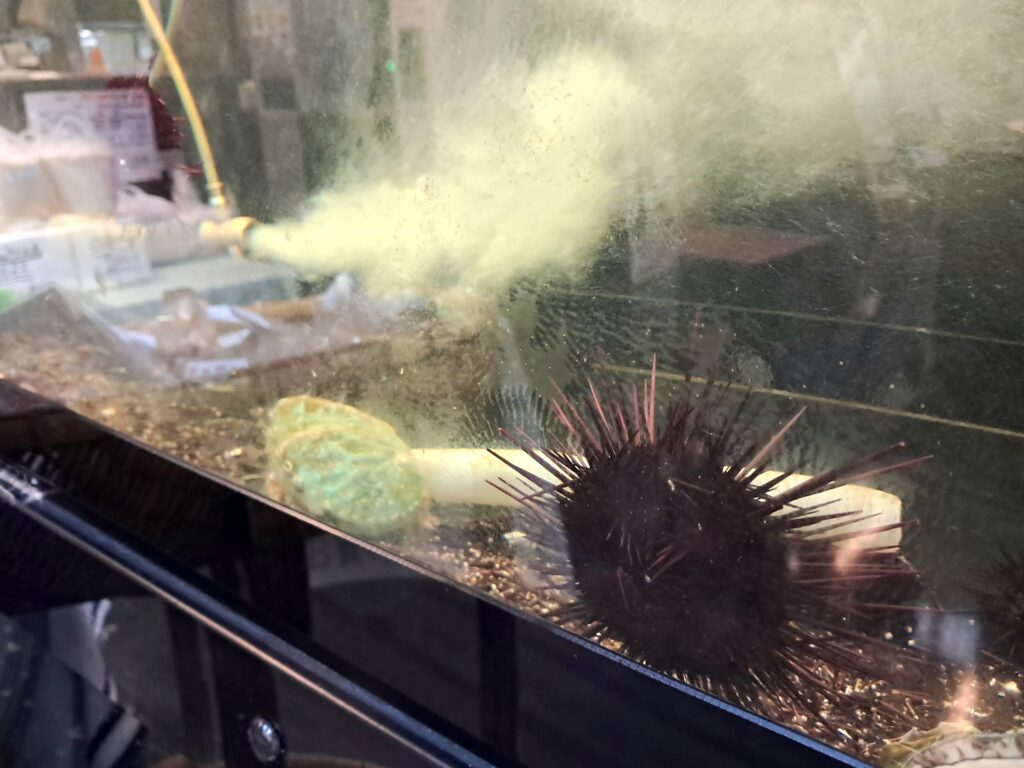
Actually, at Nagomi Onsen, they aren’t content with just filling the baths with an abundance of natural hot spring water—they also use the hot spring water to grow shiitake mushrooms and raise sea urchins (I’m not quite sure what that’s all about).
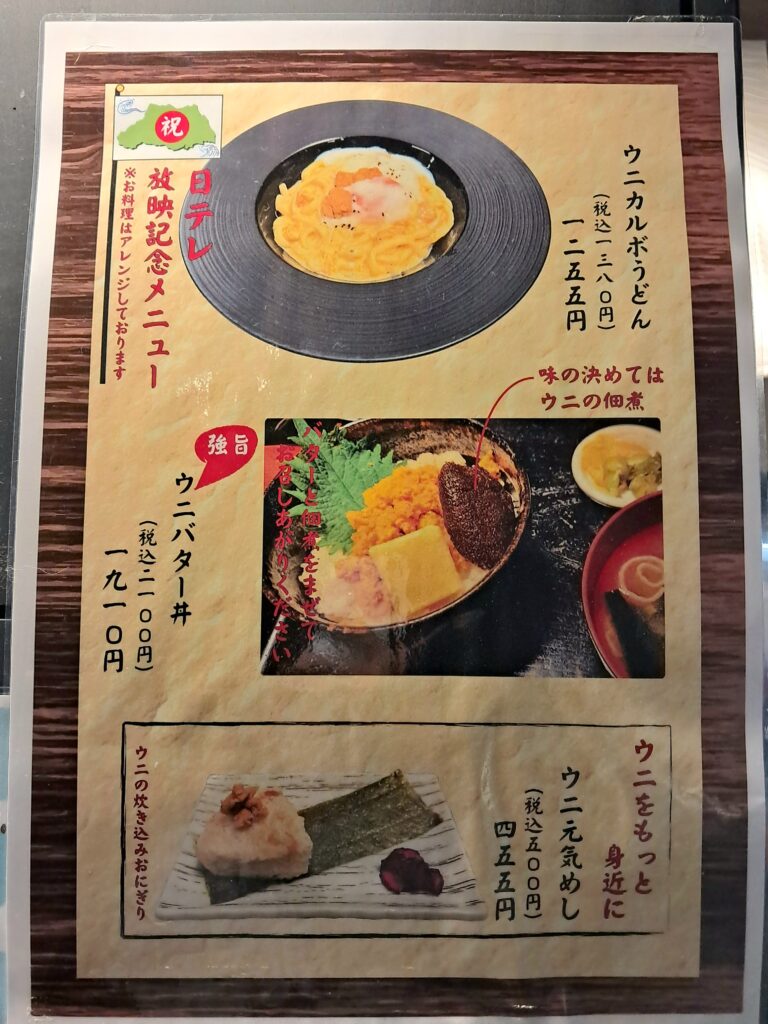
What’s more, the concept takes things to a whole new level: you can actually enjoy Nagomi Onsen’s homemade shiitake mushrooms and sea urchin at the restaurant on the second floor.
And even though sea urchin is a luxury ingredient, they offer it at a surprisingly reasonable price—you can really feel their enthusiasm, as if they’re saying, “You absolutely have to try this!”
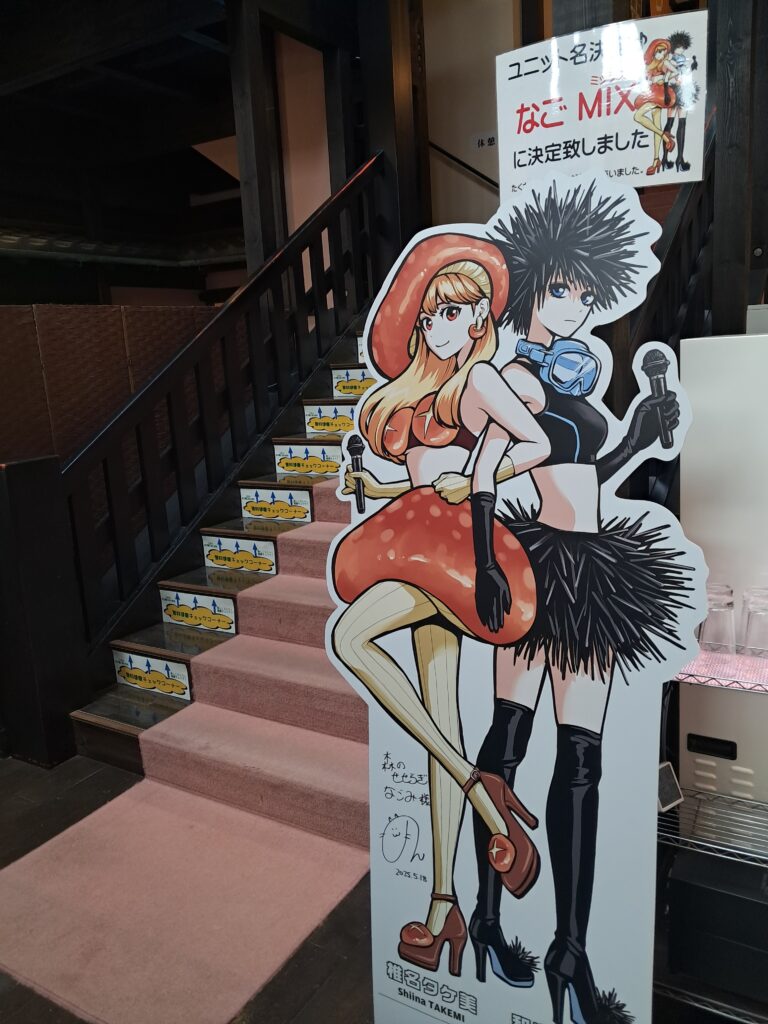
Nagomi Onsen’s promotion of hot-spring shiitake mushrooms and hot-spring sea urchin shows no signs of slowing down—they’ve even gone so far as to create their own original characters (and the name of the group, “NagoMIX,” has that unmistakable Saitama vibe).
As a visitor, I’m not quite sure what this facility is trying to achieve, but perhaps the facility itself doesn’t really know either.
There are plenty of other examples of Nagomi Onsen’s “marching to the beat of its own drum.” From its one-of-a-kind, utterly unique baths to the gym facilities—which, for some reason, are located on the second floor—and the quirky local dishes served at its unconventional restaurant, the more you explore, the more you’ll discover fascinating things that are just a cut above the rest.
As the perfect finale to your sightseeing tour of Kuki City—Saitama’s most off-the-beaten-path town—there may be no better place than Nagomi Onsen.
Opening hours of Nagomi Onsen│Price
The basic information of Nagomi Onsen is as follows.
Recently, many day trip hot spring facilities charge more than 1000 yens, Nagomi Onsen still keeps the reasonable price.
The system at Nagomi Onsen is very straightforward: all payments within the facility are handled using the wristband you receive at check-in.
It’s a post-payment system where you return this wristband to the front desk upon leaving to settle your bill.
To use the on-site restaurant or vending machines, simply tap your wristband. You don’t need coins to lock your shoe locker or personal locker, so you can use the facilities even if you don’t have any cash on you.
Also, since the admission fee does not include the rental of towels and other items, it’s convenient to rent them for an additional fee if you don’t bring your own.Face towels are available for rent at 100 yen, and bath towels at 150 yen.
Shampoo, conditioner, and body soap are provided in the bathing area and can be used free of charge, but the men’s changing room does not have facial toner or similar items (the women’s changing room might have them?).
While many day-trip hot spring facilities these days offer rock saunas for an additional fee, Nagomi-Onsen does not have one.
As a result, the cost consists solely of the admission fee plus the price of food and drinks, making for a very simple and easy-to-understand pricing structure.
Water Quality at Nagomi Onsen | Hot Water Supply System
The water supplied to Nagomi Onsen is natural hot spring water that wells up from 1,500 meters underground.
It is a slightly alkaline sodium chloride spring; the golden-hued water gives off a faint iron-like scent and has a slight salty taste.
The source water is on the hot side at about 45°C, so it doesn’t need to be heated—which is a key feature.
All the baths are fed by a continuous flow of fresh spring water straight from the source, allowing you to fully enjoy the fresh hot spring experience.
Although the hot spring water in the baths is generally disinfected with chlorine, the chlorine odor is barely noticeable—a definite plus.
The indoor baths also feature a “raw spring water flow-through bath” that is not chlorinated, making it perfect for those who want to fully experience the natural blessings of the hot spring without any human intervention (please note that the raw spring water flow-through bath has a significantly higher concentration of mineral components and is not disinfected, so those with sensitive skin should exercise caution).
While Nagomi Onsen is already outstanding in terms of water quality and the water supply system alone, it’s located in Kuki City—a town that’s anything but ordinary.
Perhaps simply piping hot spring water into a standard bath wasn’t enough; Nagomi Onsen features many baths designed around unique concepts.
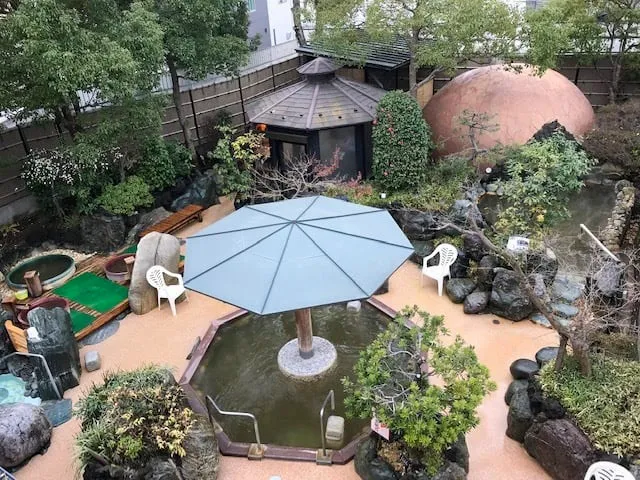
The greatest feature of Nagomi Onsen is its wide variety of baths—such as the Shiogama Sauna, aromatic baths, and cave carbonated springs—that you’d be hard-pressed to find at other day-trip hot spring facilities.
Kids are sure to have a blast, and even adults can enjoy exploring the different baths with a sense of excitement!
How Crowded Is Nagomi Onsen? | Demographics | Recommended Days and Times to Visit
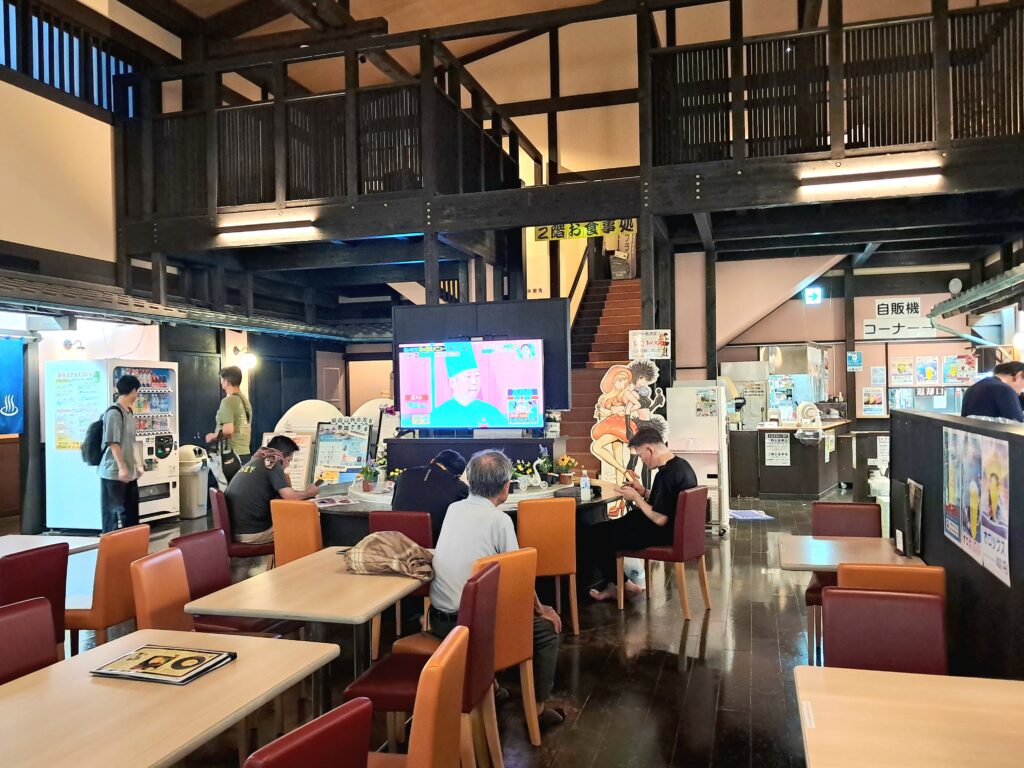
The main drawback of day-trip hot spring facilities in Saitama Prefecture is that they can get a bit crowded.
Depending on the day of the week and the time of day, you’ll often find yourself thinking, “Far from relaxing, it’s so packed with people that I actually ended up feeling exhausted…”
When it comes to how crowded Nagomi Onsen gets, the most accurate way to describe it is “it depends on the day of the week and the time of day.”
On weekends, there are many families visiting, so it’s quite crowded at any time of day, but on weekdays, it’s relatively empty no matter the time.
I have visited Nagomi Onsen twice (Friday evening and Monday evening), and it was absolutely packed on Friday.
There were many office workers stopping by after work and families with children, and combined with the facility’s limited space, it honestly felt quite cramped.
Conversely, on Monday—my second visit—I was surprised to find it so empty it was almost concerning.
There were no families with children; most guests were solo visitors or couples, so I was able to fully enjoy the quiet atmosphere.
While day-trip hot spring facilities usually reach their peak crowd levels after 7:00 p.m., it seems people don’t tend to arrive at Nagomi Onsen that late.
As the evening wore on, the number of people dwindled even further, and by 9:00 p.m., only a handful of guests remained scattered throughout the bathing area.
One distinctive feature of Nagomi Onsen’s clientele is that it spans a relatively wide age range.
Elderly guests make up only about 40 to 50 percent of the total, with guests in their 30s through 50s forming the core of the clientele. While there are quite a few students in their 20s, they mostly come in small groups of two or three, so they aren’t particularly noisy.
On the other hand, during the weekend—from Friday evening through Sunday—there are many guests with children, so it inevitably gets noisy.
Compared to Hyaku-Kannon Onsen—also in Kuki City, which felt almost like a senior care facility—the difference in clientele is stark.
It seems many guests follow the “quick stop on the way home from work” routine.
Also, inside the Nagomi Onsen bathing area, there are many signs posted with somewhat strict etiquette guidelines and rules. Perhaps because of this, I got the impression that most guests were generally well-mannered.
Rules like not diving or washing your face in the cold plunge pool, or not talking in the open-air baths (personally, I think both are pretty minor things), might seem a bit too nitpicky, but many people were carefully following those detailed rules.
Access of Nagomi Onsen
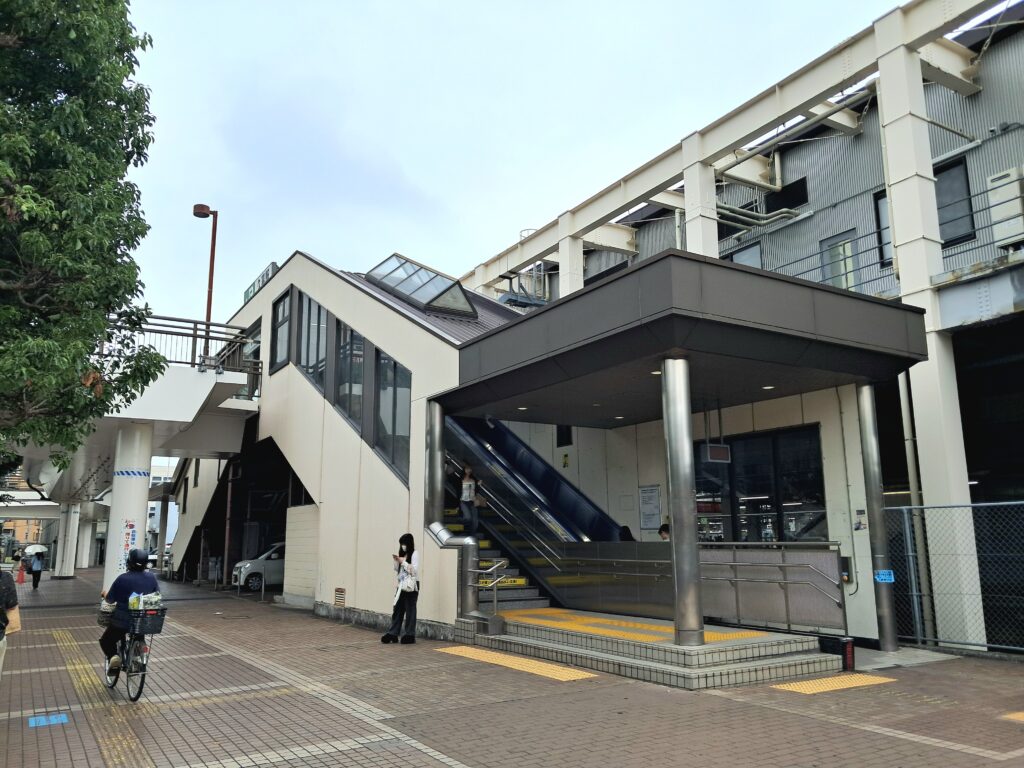
The nearest station to Nagomi Onsen is Kuki Station on the JR Utsunomiya Line and the Tobu Skytree Line.
It’s about a 20- to 30-minute walk from the station—not too far to walk, but it’s not exactly close to the station.
If you’re traveling by train, it’s convenient to use the free shuttle bus operated by Nagomi Onsen.
It runs six round trips a day between the West Exit of Kuki Station and Nagomi Onsen. ▼
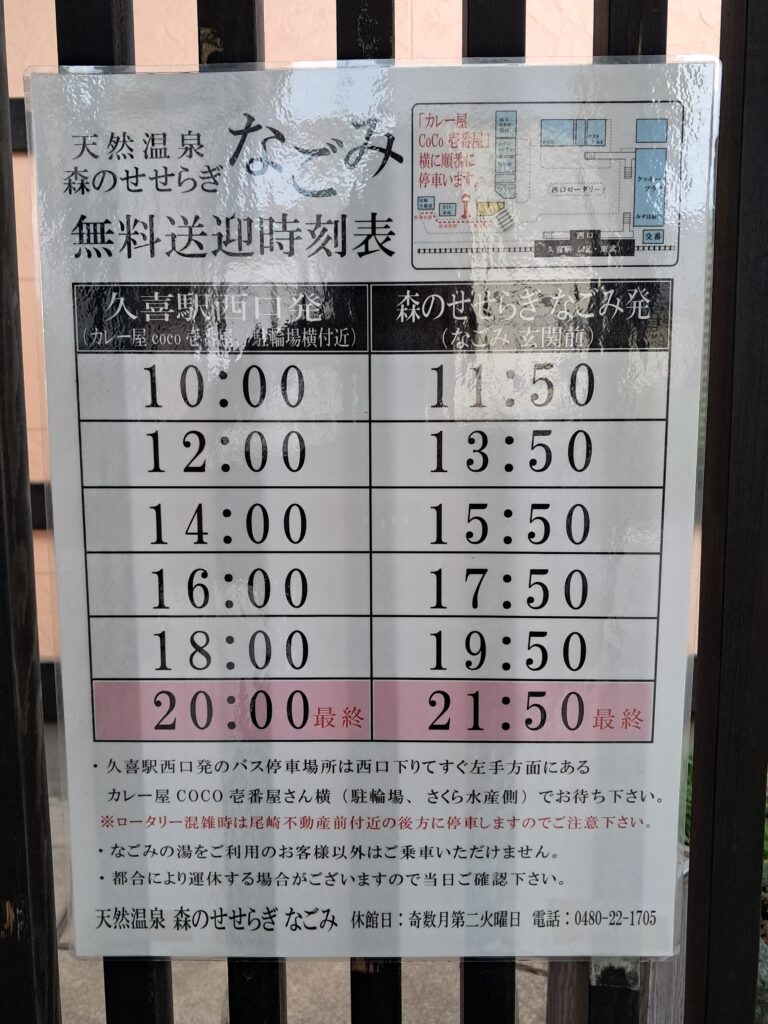
The free shuttle bus runs about once every two hours, so it’s not very frequent, but if the timing works for you, I highly recommend using it.
If you miss it, you can still walk there, so personally, I don’t think it’s much of a problem.
The pickup point for the free shuttle bus on the Kuki Station side is next to Coco Ichibanya, located on the south side of the West Exit rotary.
There are no signs, so it’s a little hard to spot, but the bus arrives right on schedule.
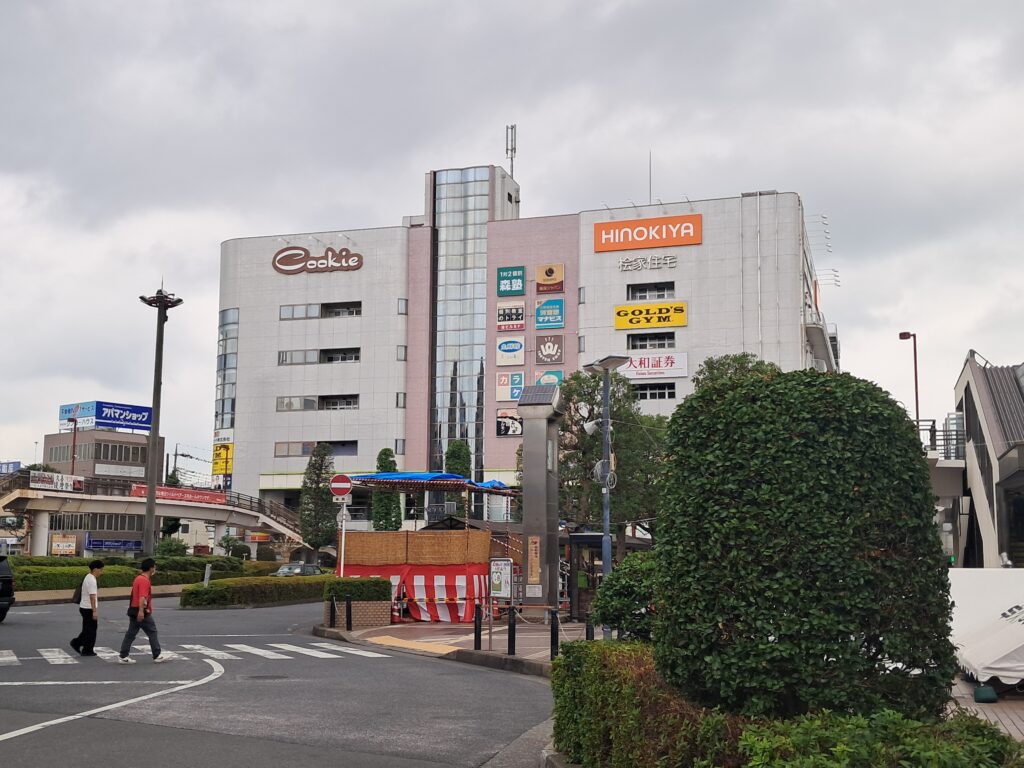

Kuki Station is served by two railway companies—JR and Tobu—making it accessible from Tokyo without any transfers.
▶ Tokyo Station – Kuki Station: 1 hour by JR Utsunomiya Line (without transfer) | ¥910
▶ Shinjuku Station – Kuki Station: 1 hour by JR Shonan Shinjuku line (no transfer)| ¥910
▶Asakusa Station – Kuki Station: 1 hour 10 minutes by using the Tobu Skytree Line (without transfer) | ¥670
Even if you’re coming by car, there’s a spacious parking lot right next to the facility, and it’s free to use, so you can rest assured.
I Went Undercover at Nagomi Onsen!
Now that you have a little idea of what Nagomi Onsen is like, let’s head to the hot springs…!
I’ll give you a frank and detailed report—covering everything from things to keep in mind when visiting and how crowded it gets, to my actual experience bathing there and even the things I thought could be improved!
Reception Hall
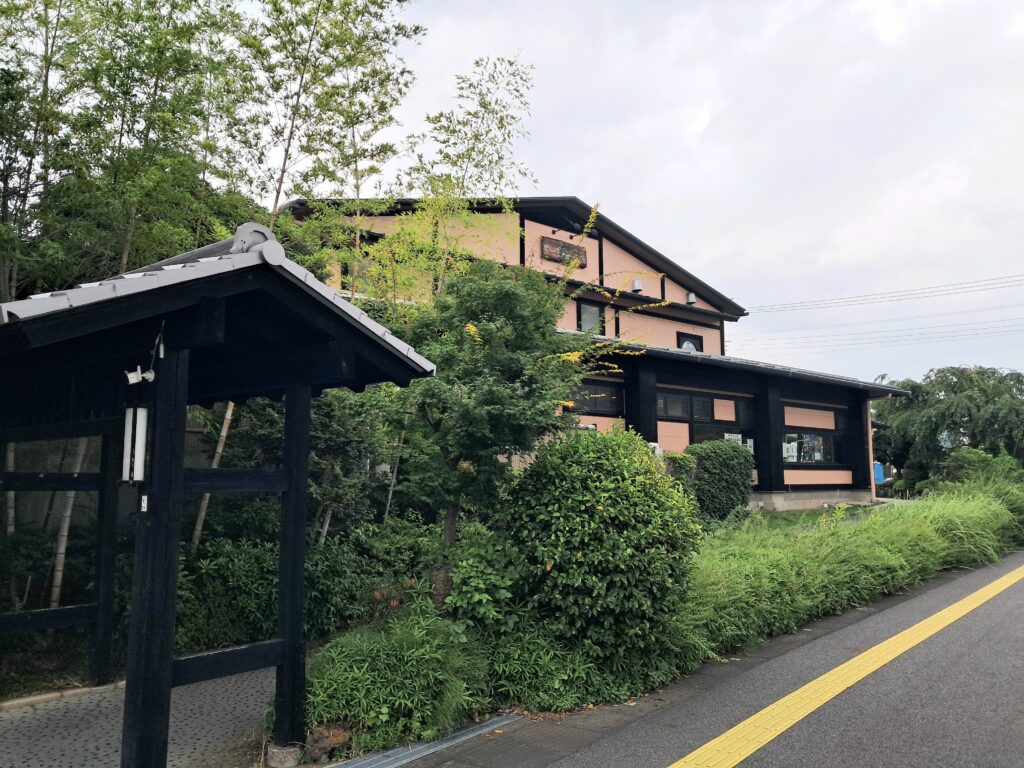
The exterior of Nagomi Onsen looks just like a small hot spring inn.
With a subdued design featuring pale red and black as its main colors, it exudes an elegant atmosphere.
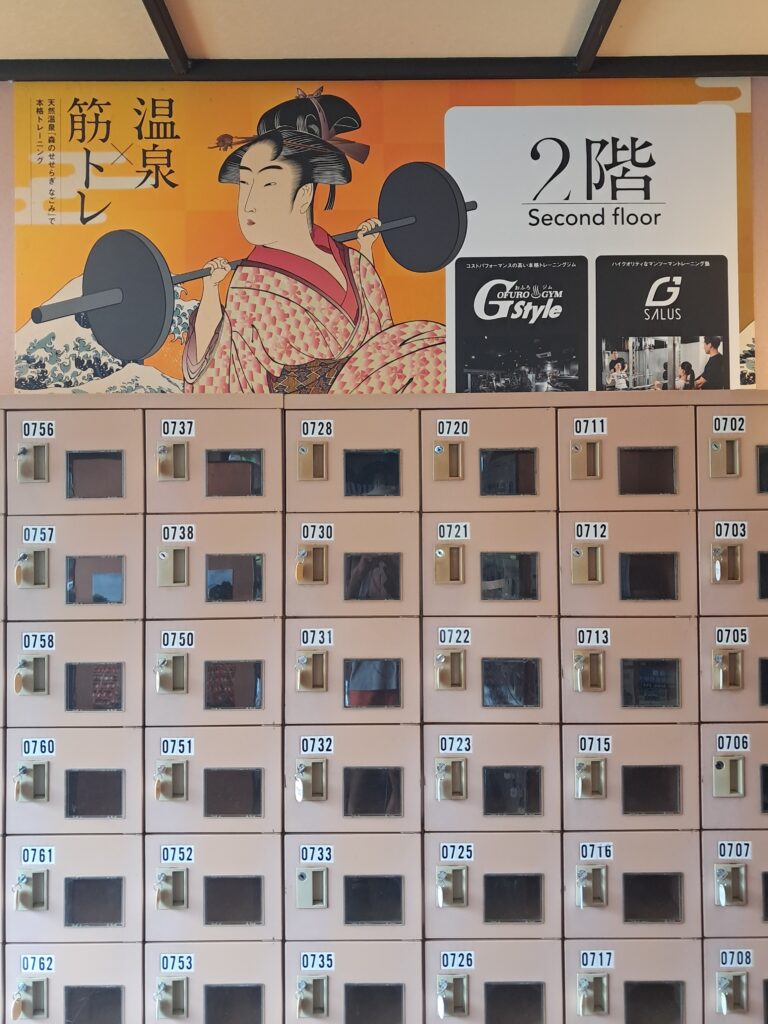
As soon as you enter, you’ll see a row of shoe lockers. Put your shoes inside, lock them up, and head to the front desk.
Since payment is made after your visit, simply hand over your locker key at the front desk to receive a wristband for in-house payment, and you’re all set to enter.
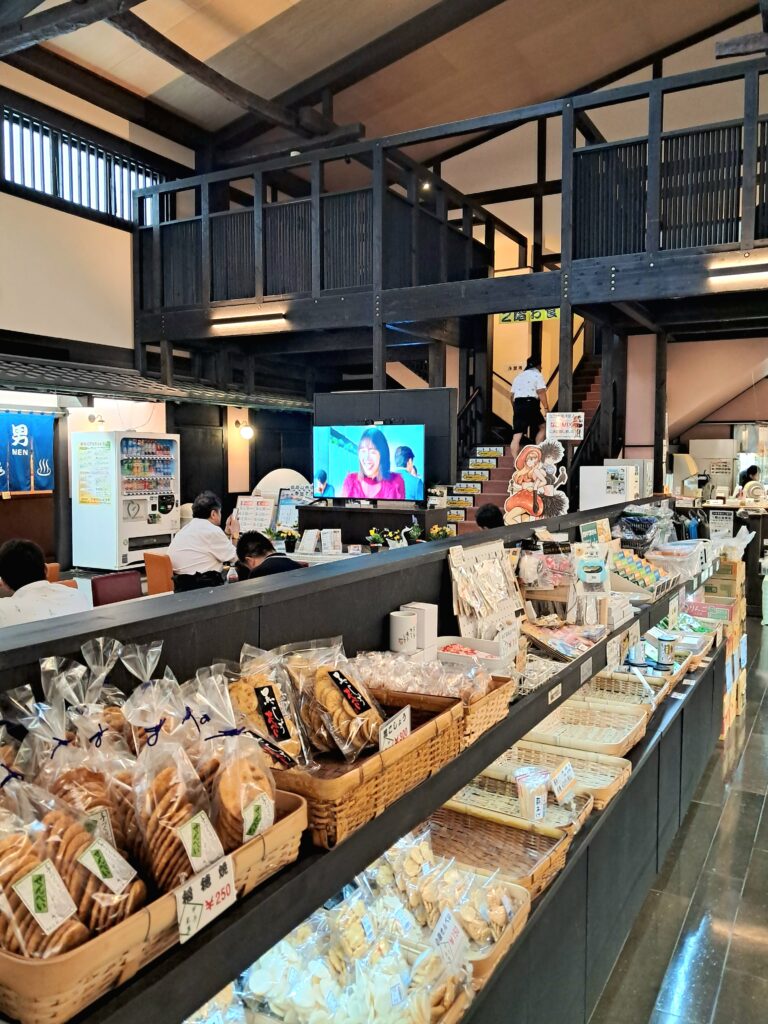
Next to the front desk is a cozy little souvenir corner.
While most of the items for sale are snacks you’d find just about anywhere, the fact that they also stock vegetables grown locally in Kuki gives you a sense that this is a community-oriented hot spring facility.
Don’t miss the “Hot spring sea urchins”—some of the mascots that Nagomi Onsen promotes heavily—who also “inhabit” the souvenir corner!
A wide variety of baths! A well-equipped large public bath area
Past the reception desk and through the hall—which also serves as a lounge area—you’ll find the much-anticipated large public bath.
You can choose any locker you like in the changing room.
You must keep the locker key on your person separately from the wristband you received at the reception desk.
A variety of unique baths! The Open-Air Bath Area
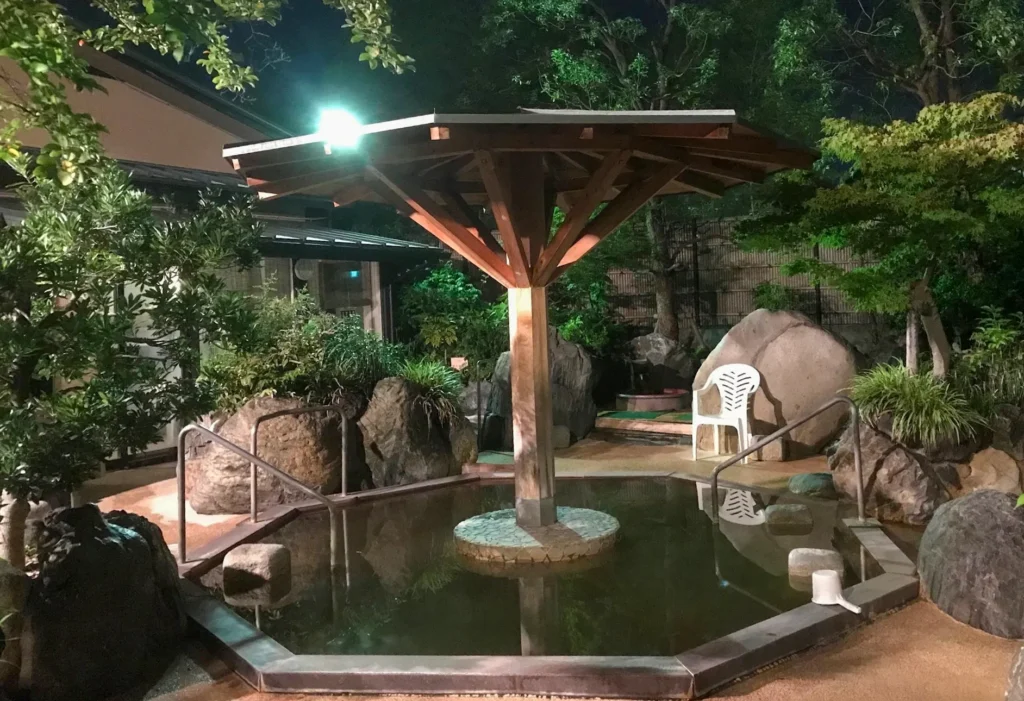
When you step outside from the indoor bathing area, the outdoor open-air bath area comes into view.
At the center is an octagonal bath fed by the natural spring.
Surrounding it are a big carbonated cave bath at around 36°C, three pot baths using the natural spring water, and a scented bath with glass walls that feels like a semi-private room. A sauna and a cold plunge pool are also located outdoors.
It’s wonderful that there are so many different types of baths, which adds a playful touch, but since the grounds aren’t that large to begin with, the open-air bath area—which is supposed to be a highlight for its sense of openness—actually feels quite cramped.
There’s no denying that it feels a bit too packed.
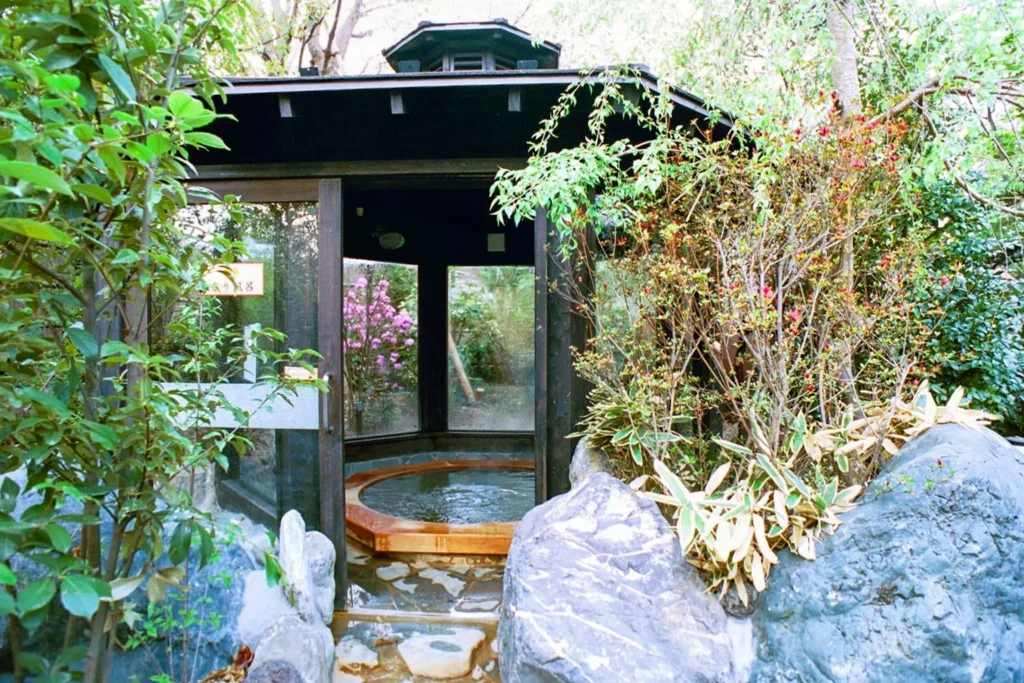
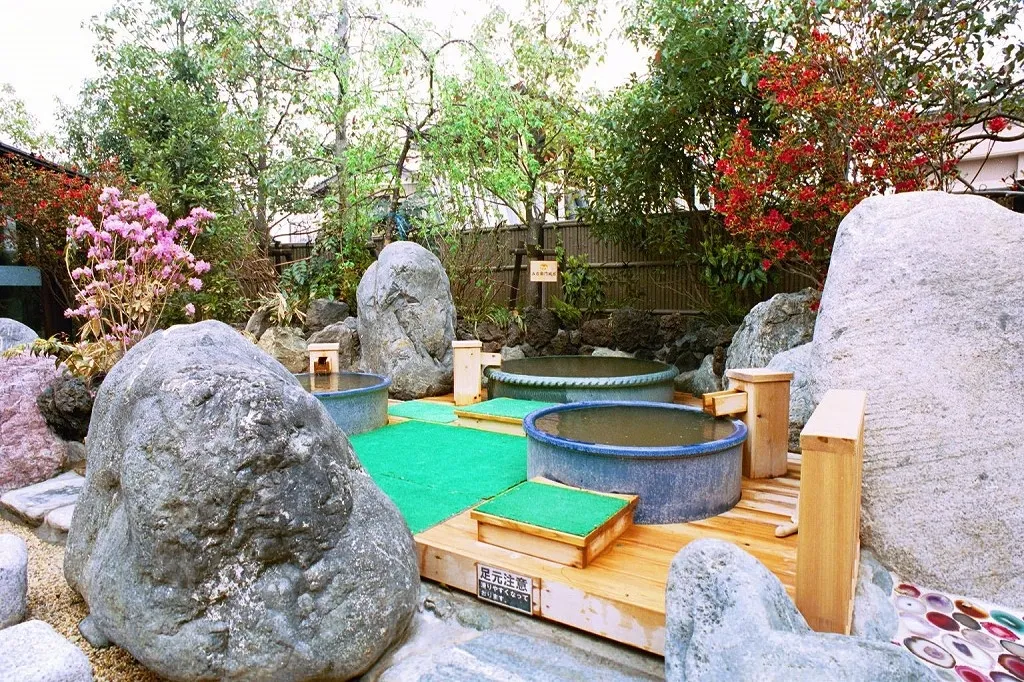
▲Even with the pot baths, where you can enjoy the feeling of having the water all to yourself, the distance between them is quite close, so it’s a shame I hardly felt any sense of privacy…
However, the water quality is quite good, and there’s almost no smell of chlorine used for disinfection. The greenish-golden, translucent water has a smooth texture, and the way it clings to your skin is wonderful.
The distinctive scent of hot springs is somewhat subtle, and there’s almost no saltiness, so some people might find it a bit lacking. However, the fact that the water is mild and suitable for everyone is a definite plus.
The water temperature in all the baths is around 41°C, which is just right, so you can relax without getting overheated.
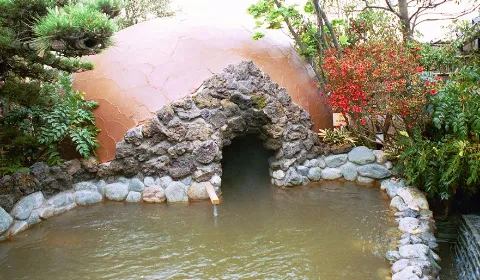
Another specialty of Nagomi Onsen is its carbonated spring bath in the cave, a feature rarely seen at other hot spring facilities.
While carbonated springs are common at many facilities, here the dome-shaped ceiling and magical lighting are said to enhance the healing effects (really?).
Perhaps because the bath itself is quite large, the characteristic fizz of the carbonated water is somewhat subdued.
However, as you lie back in the lukewarm water and gaze up at the magical dome ceiling, you’ll find that your mind and body have relaxed without you even realizing it.
Personally, I really enjoyed Nagomi Onsen’s open-air bath area, but the main drawback is that it’s simply too small.
Since there’s a limited number of chairs and limited space to cool off, it inevitably feels a bit cramped. To put it simply, I wish there were more breathing room in the space…!
A Variety of Baths! Indoor Bath Area
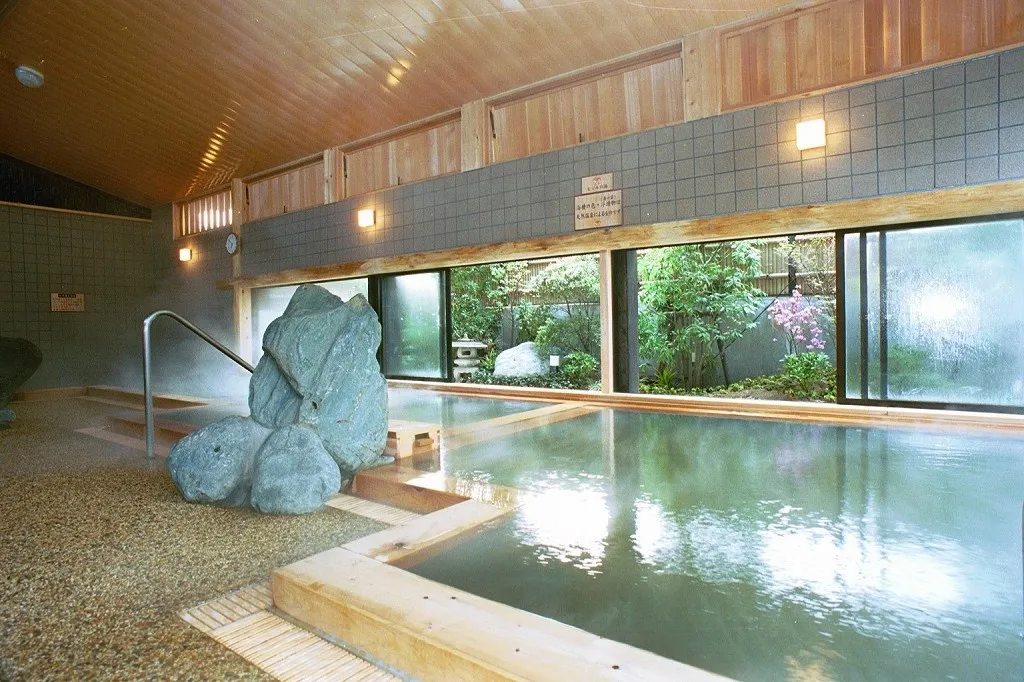
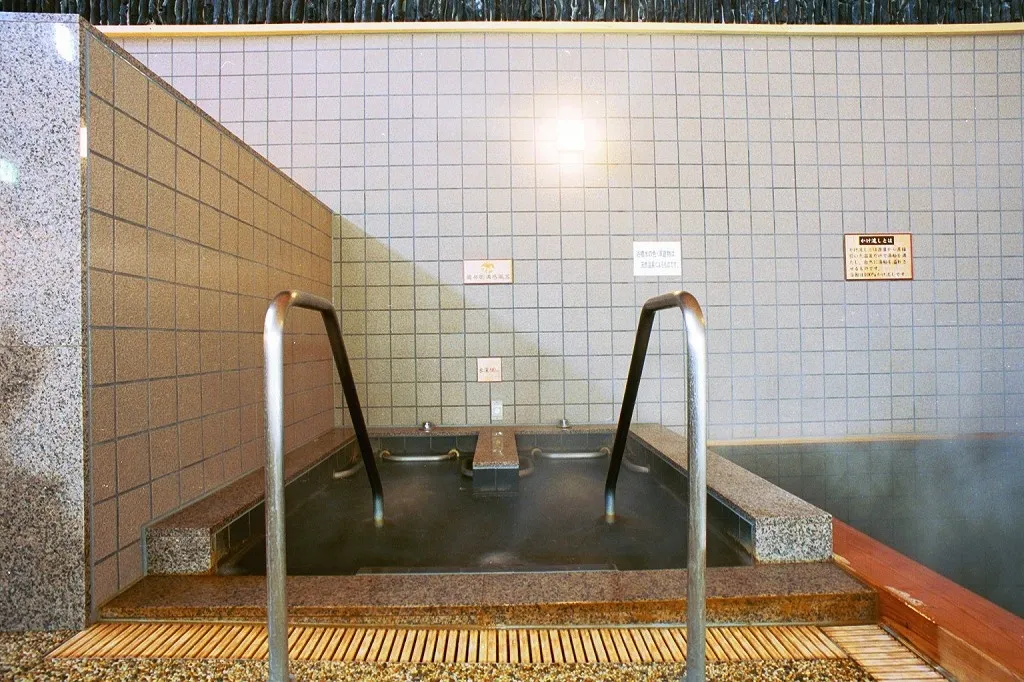
The indoor bath area features a total of four baths: two slightly hot, unfiltered spring-fed baths, one jet bath that seats three people, and one Shiogama sauna.
The water in the unfiltered spring-fed baths is the “raw” hot spring water itself, completely free of chlorine disinfection or any other treatment.
It’s hard to say for sure, but the mineral content does seem a bit richer than in the other baths…
And the jet bath is definitely worth mentioning in the indoor bathing area.
The jet pressure is simply incredible—it thoroughly works out stiffness in your shoulders, lower back, and legs.
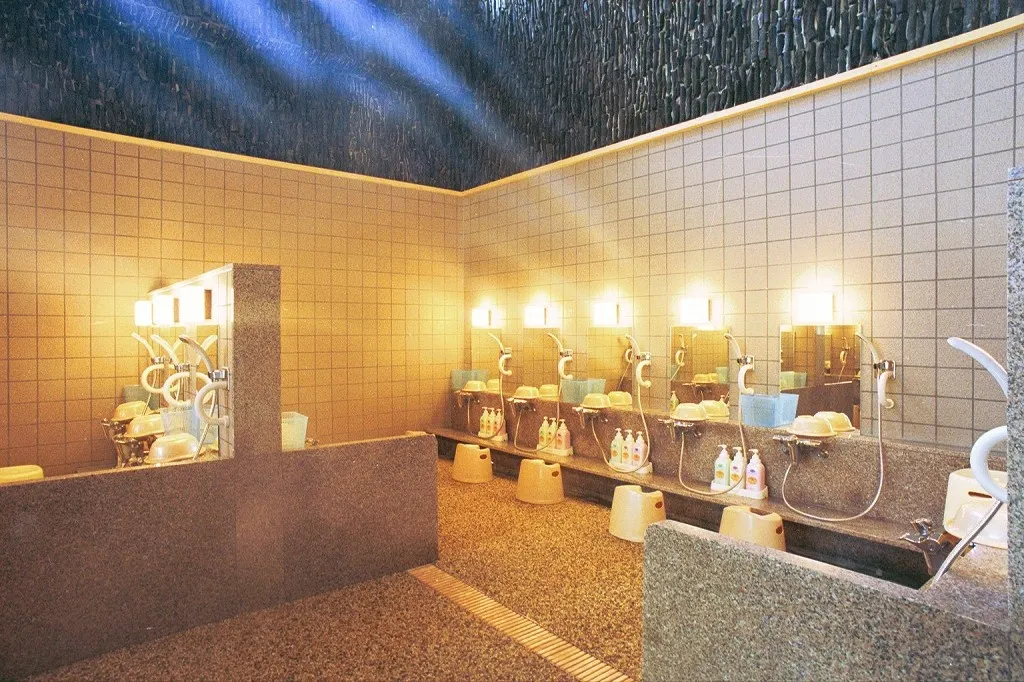
What caught my attention was the lack of shower space. The men’s indoor bath area has only about 15 showers lined up, which seems insufficient no matter how you look at it, given the number of users…
Actually, there’s another shower area next to the open-air bath area (probably an addition), but even with that, it still feels like there aren’t enough.
The shower is designed so that when you press the lever, hot water flows for about 10 seconds and then stops automatically.
Shampoo, conditioner, and body wash are provided at each shower.
You’ll be completely satisfied even if you’re just there for the sauna! Sauna and cold plunge pool
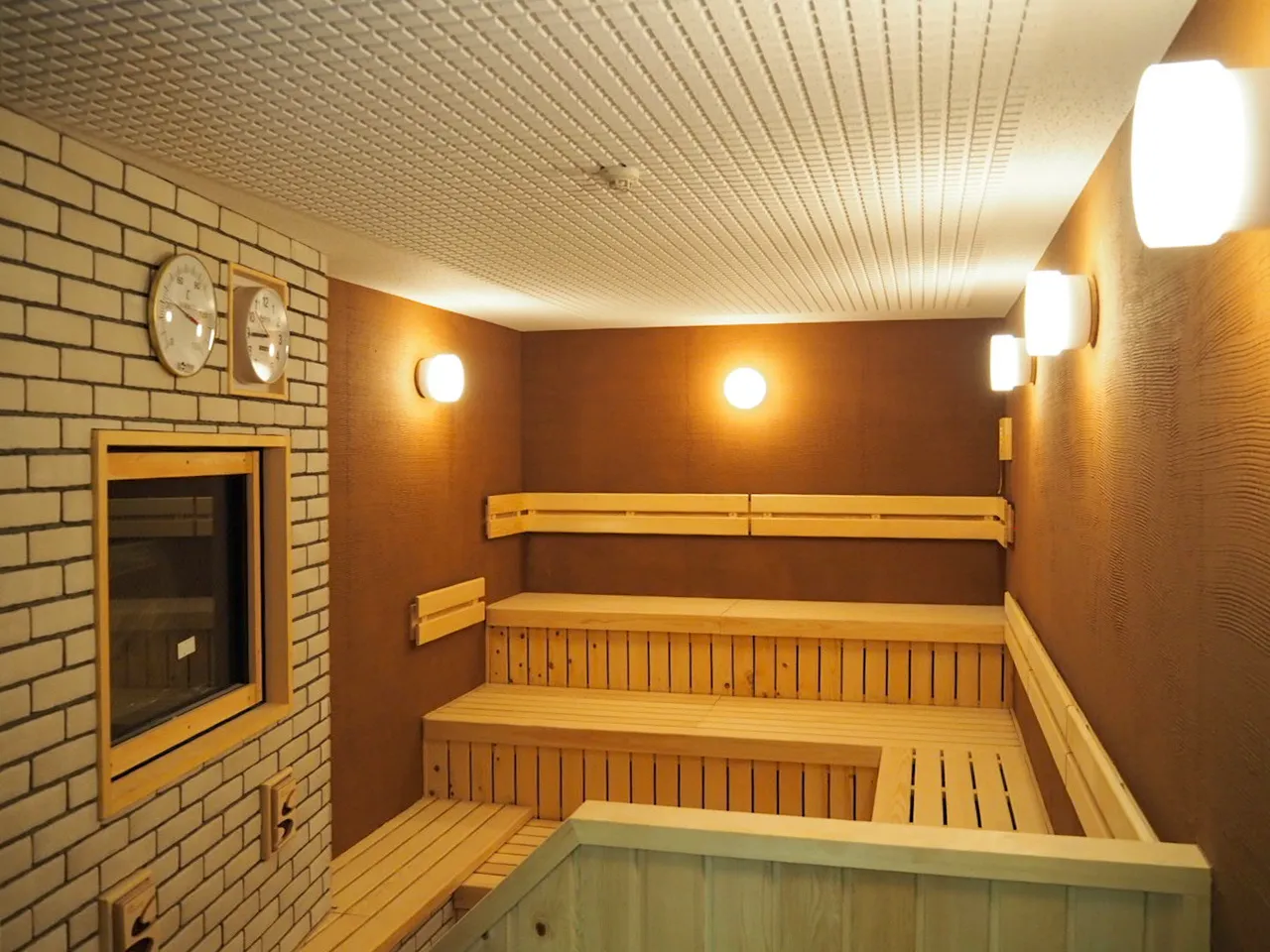
Nagomi Onsen boasts a variety of unique baths, and its sauna facilities are also well-equipped.
The main attraction is the high-temperature tower sauna, which can be accessed from the open-air bath area.
The temperature is quite high at around 92°C, and it’s nice that the spacious interior can accommodate about 20 people.
The high-temperature tower sauna is designed to automatically perform a “löyly” with aromatic water at regular intervals, so the moment you step inside, you’re enveloped in a pleasant aroma and a gentle mist.
The sauna mats also seem to be replaced regularly, so the cleanliness is impeccable.
This high-temperature tower sauna alone is a major highlight, but Nagomi Onsen also features another sauna.
That is the Shiogama Sauna, where you can sweat gently at a low temperature in the 60°C range. ▼
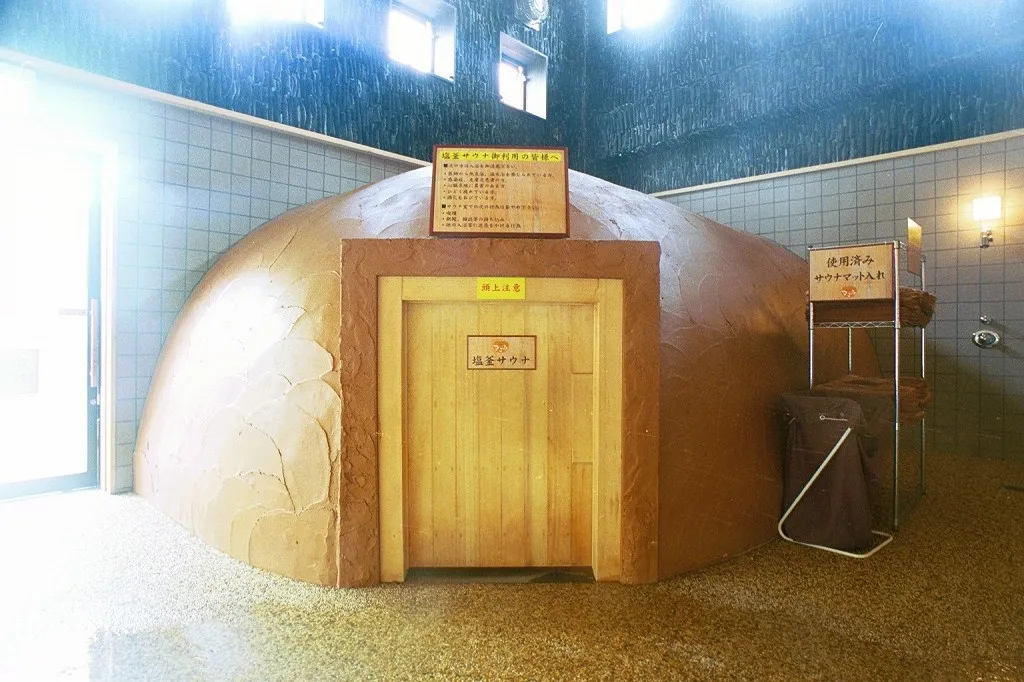
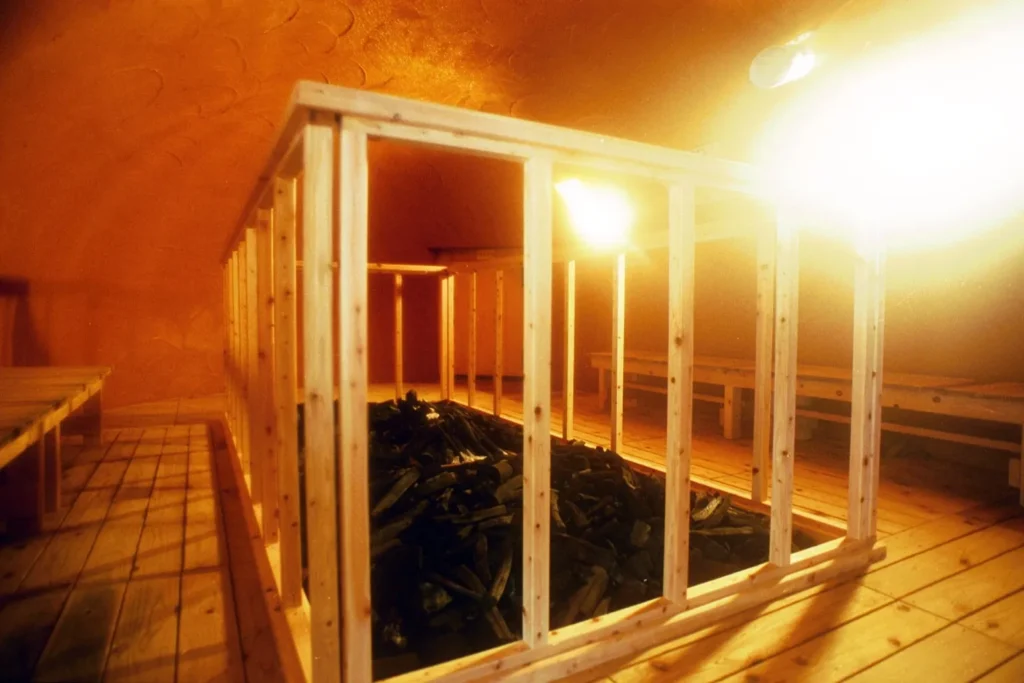
The Shio-gama Sauna features two entrances—one from the indoor bathing area and one from the open-air bath area—and is characterized by its distinctive round shape.
The interior of the sauna is quite spacious, with a large amount of salt placed on top of heated charcoal in the center.
As the name suggests, the Shiogama Sauna (“Shio” means salt, and “Gama” means big pot for cooking in Japanese) slowly heats salt over charcoal to fill the sauna with mineral-rich steam; inhaling this steam is said to promote health benefits.
While the humidity inside the Shiogama Sauna is quite high, the temperature is on the lower side, so I think it’s easy to use even for people who don’t like saunas that are too hot.
One thing I personally appreciated was that, since there are two saunas, people were well-spaced out, and neither sauna was particularly crowded.
Saunas at day-trip hot spring facilities are often packed like sardines, but at Nagomi Onsen, I didn’t notice any crowding in the saunas at all (if anything, there were too few people).
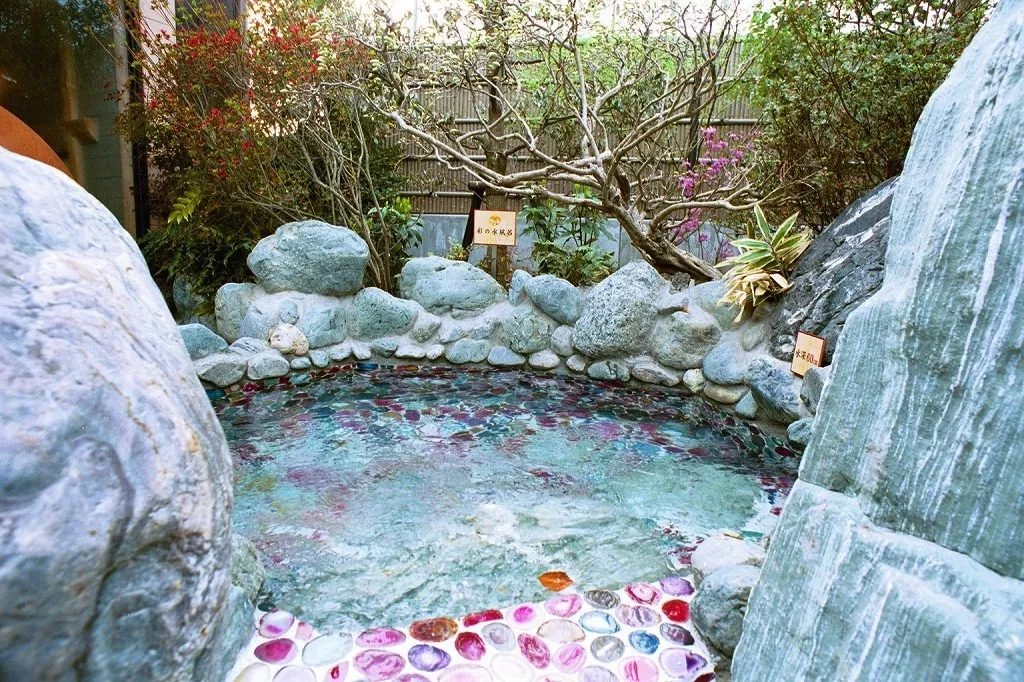
There’s only one cold plunge pool in the open-air bath area after the sauna, and it’s small—it holds about three people.
The water temperature is 16°C, which is ice-cold, and the refreshing sensation after a hot sauna is truly exceptional!
Other facilities (rest area / restaurant etc…)
Once you’ve had your fill of the bears, it’s time to relax however you like—whether that’s enjoying a meal or taking a nap. Now, let’s take a look at the facilities at Nagomi Onsen other than the bathing areas!
Not the Best Place to Relax? The Rest Area
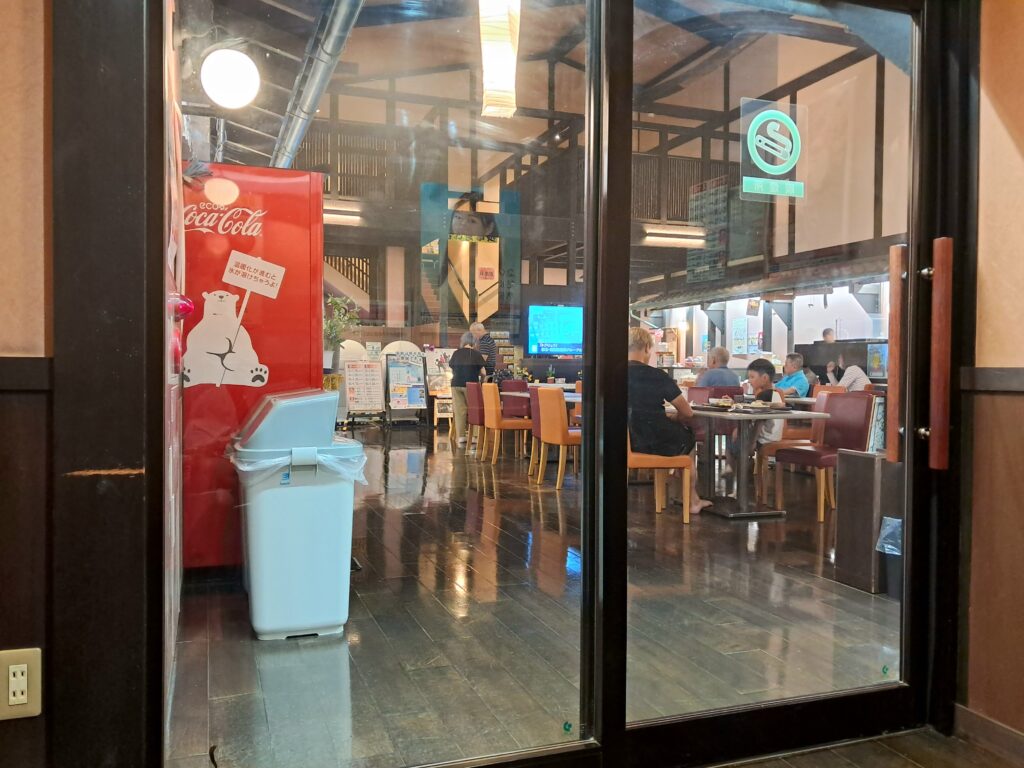
Nagomi Onsen’s main rest area is a space with tables and chairs located just outside the bathing area.
There are no sofas or anything like that, so it feels more like a “meeting spot” than a place to relax at your leisure.
Since the facility’s only smoking area is right next to this rest area, non-smokers might find the smell a bit bothersome…
For smokers, though, being able to have a cigarette right after bathing is a real treat.
While this rest area is really just meant for “taking a break for a few tens of minutes,” there is technically a resting area on the second floor where you can lie down and relax for those who want a more substantial rest.
Why do I say “technically”?… It’s because the resting area is simply way too cramped. ▼
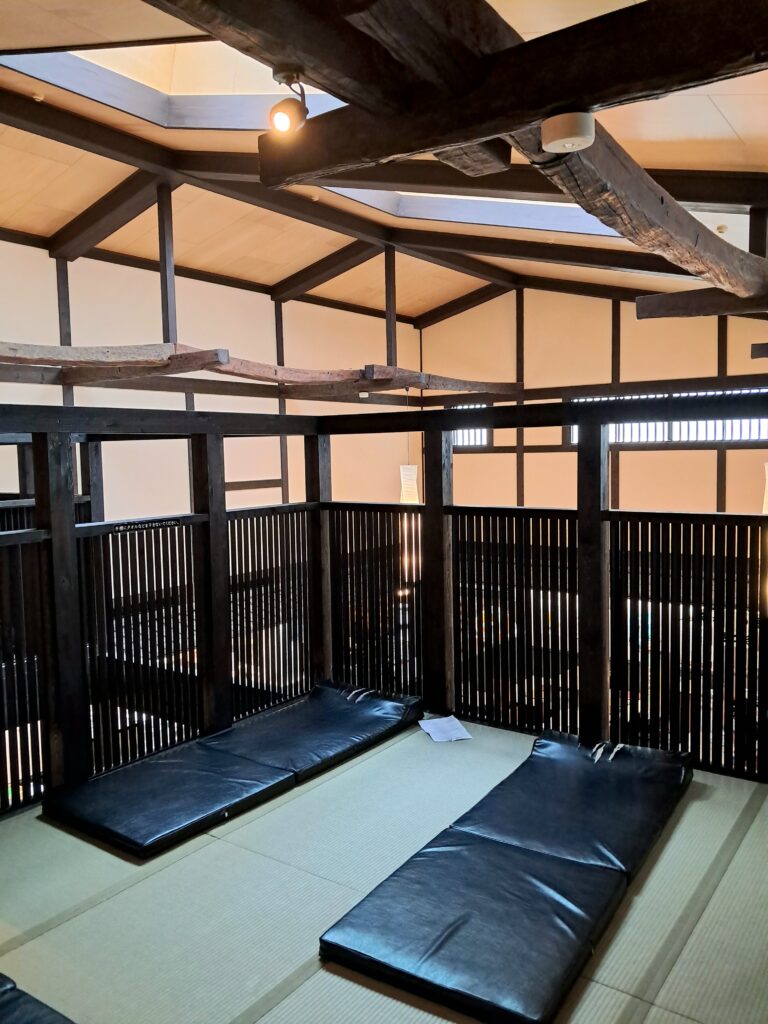
It’s just a tatami-mat room with four bed-like structures. It completely fails to meet the high demand from people who “just want to flop down after a bath,” and no matter when you go, someone is always sleeping there, so the beds are never free.
Furthermore, there are no partitions between the “beds,” so the concept of privacy doesn’t exist—another downside. Well, I guess no one in Saitama would even care about that… (what a prejudice)
Since there aren’t any manga or anything like that either—this is really all there is to the “rest” area (there’s another women-only rest area, but it’s the same layout and size).
As you can see, Nagomi Onsen itself isn’t really suited for relaxing for long periods of time, and I got the impression that most people use it with the mindset of “just taking a bath and grabbing a meal.”
This restaurant offers affordable and unique dishes!
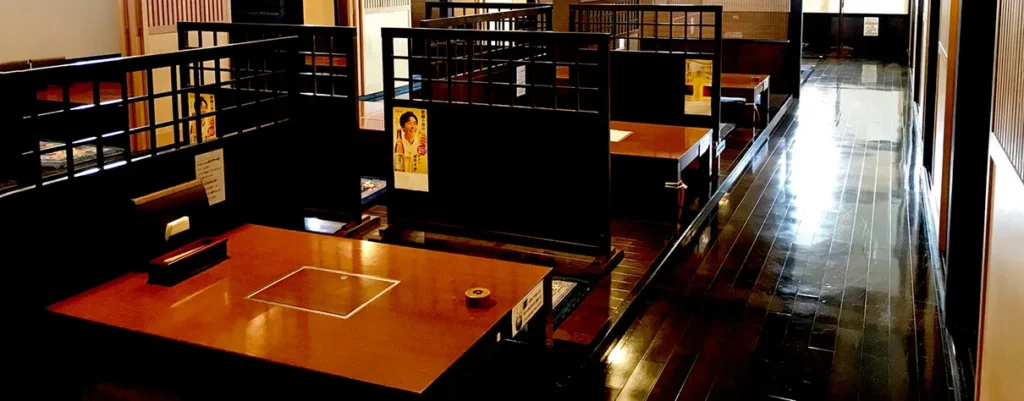
Beyond the rest area—which is of somewhat questionable quality—there’s, for some reason, a gym (since there are absolutely no users, wouldn’t it make more sense to close it down and turn it into another rest area?). Further back is the restaurant. The restaurant has an izakaya-like atmosphere and feels more suited for families or small groups than for solo diners.It’s full-service, with staff handling everything from ordering to serving.
You can dine at the restaurant even if you’re alone, but if you just want a quick meal, you can also eat in the rest area on the first floor. At the snack counter located at the back of the first-floor rest area, you can order the same menu items as the second-floor restaurant, though this is self-service.
The restaurant staff are all friendly and respond cheerfully—it’s a big plus. What’s most surprising, though, is the extensive menu and reasonable prices—you’d never guess this is a restaurant inside a day-trip hot spring facility.
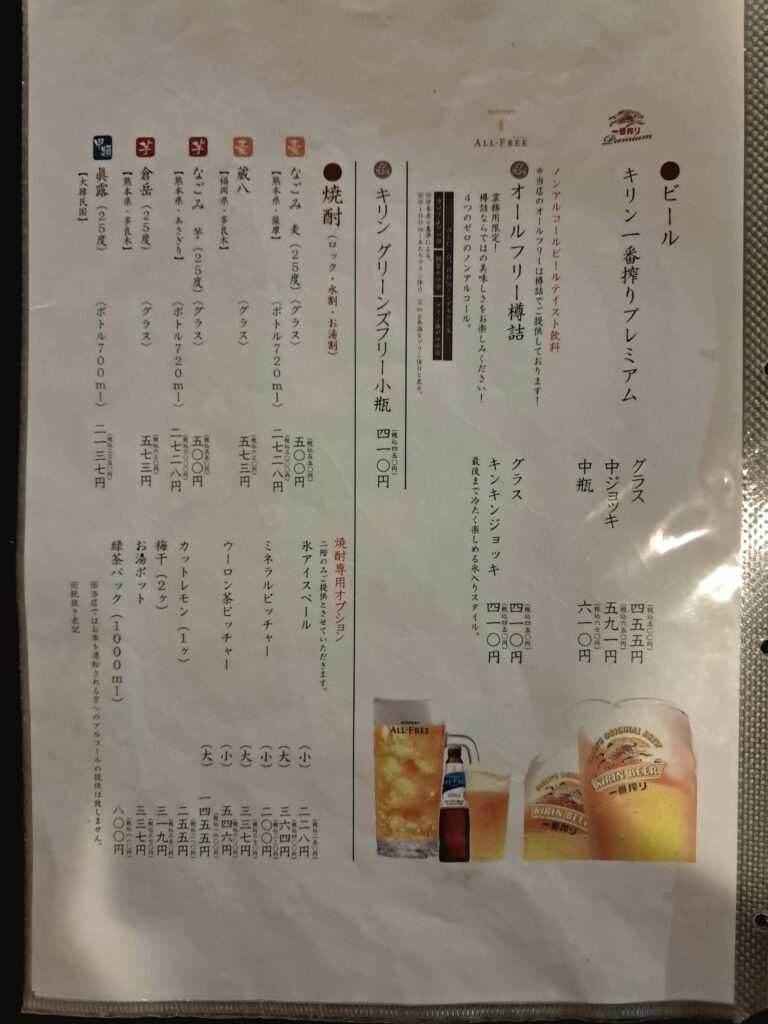
Beer is the drink you just can’t resist after a hot spring bath, and the prices here are quite reasonable for a facility like this. In addition to beer, they offer a wide selection of drinks like chu-hai, and since the prices are the same as—or even cheaper than—the average Izakaya-restaurants, it’s the perfect spot for a light drink.
Perhaps in response to this demand for drinks, the restaurant at Nagomi Onsen features a particularly extensive selection of appetizers. Of course, there’s also a wide variety of main dishes (and they’re not expensive), so it’s a great spot if you just want to come for a hearty meal.
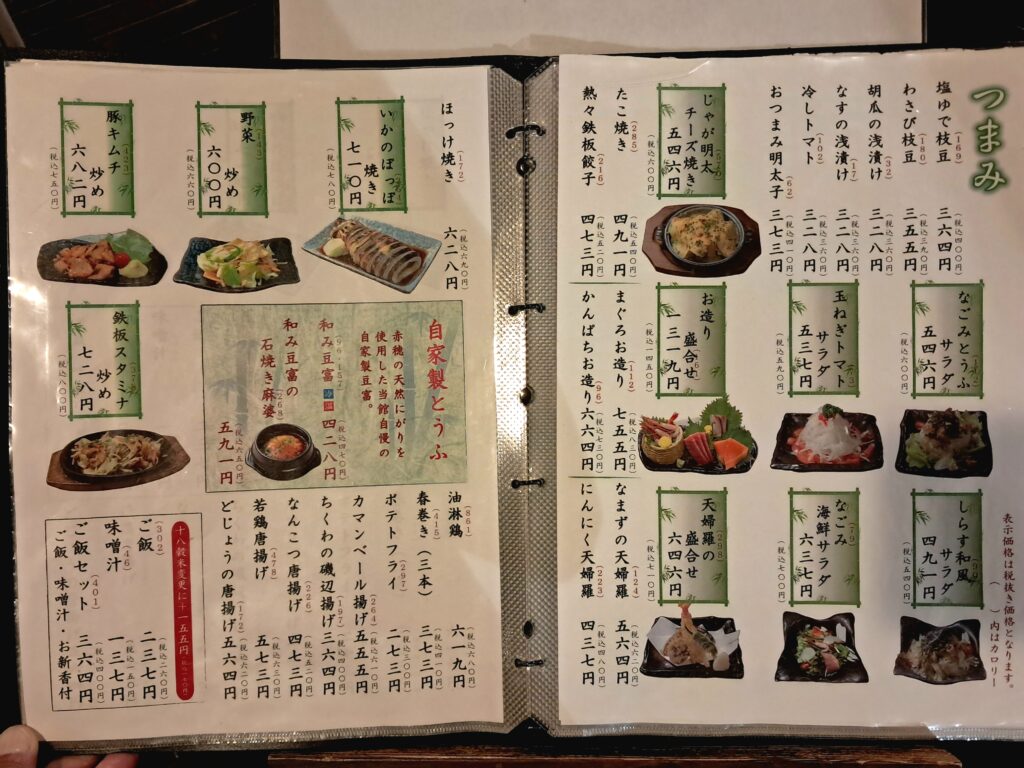
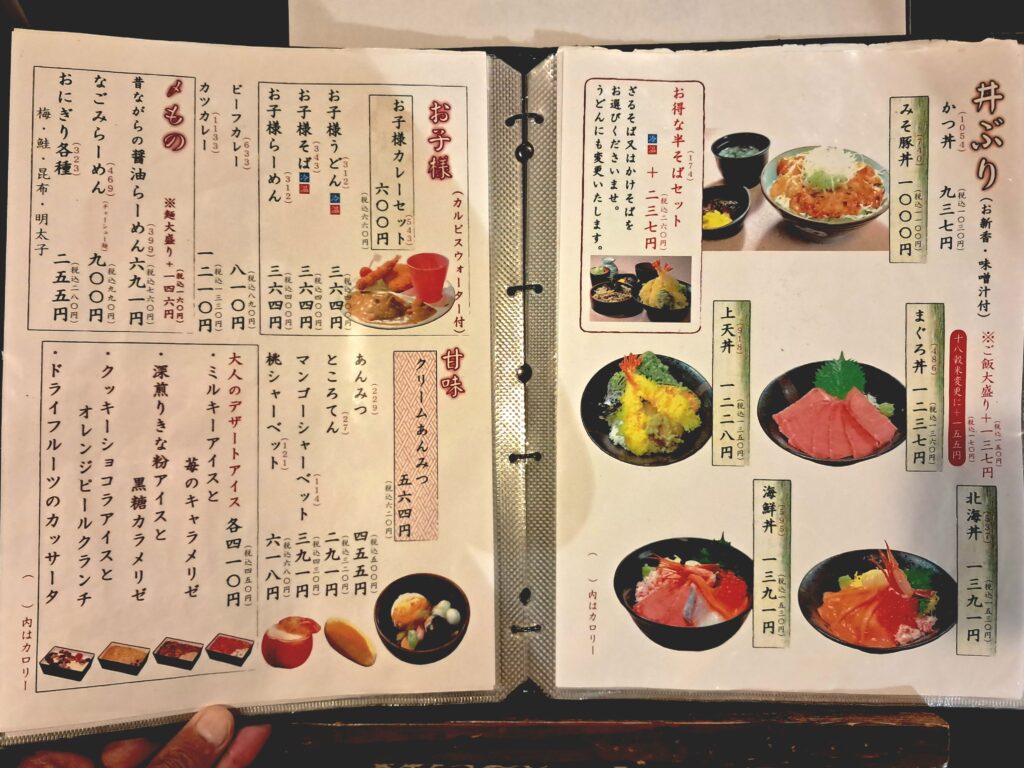
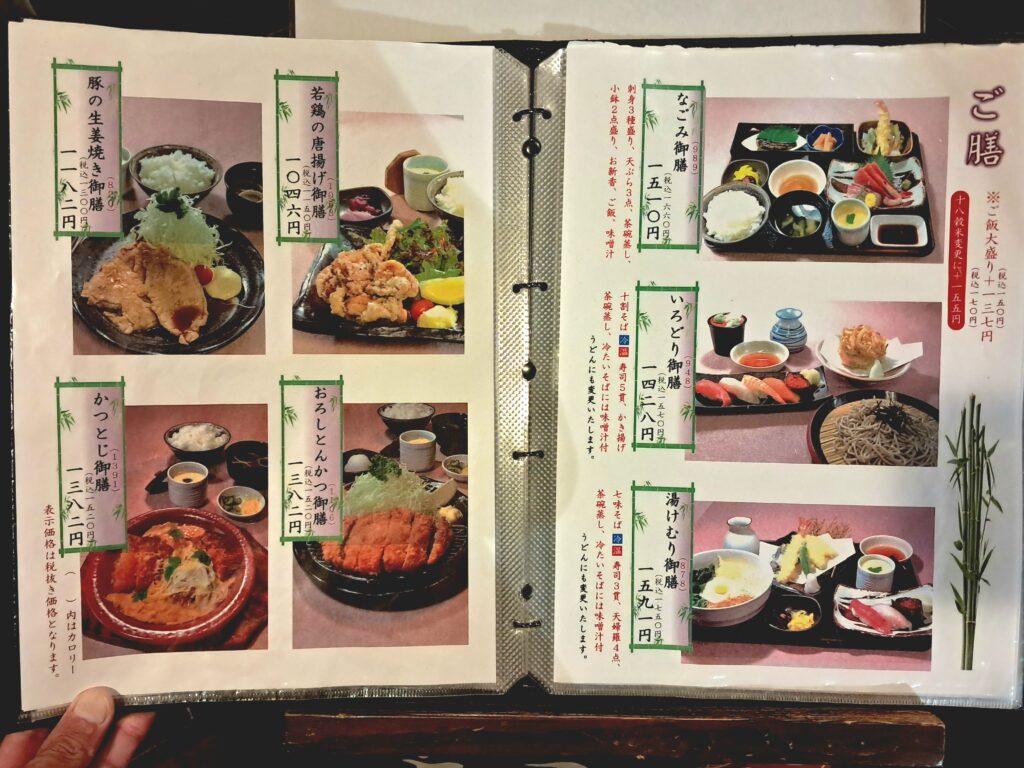
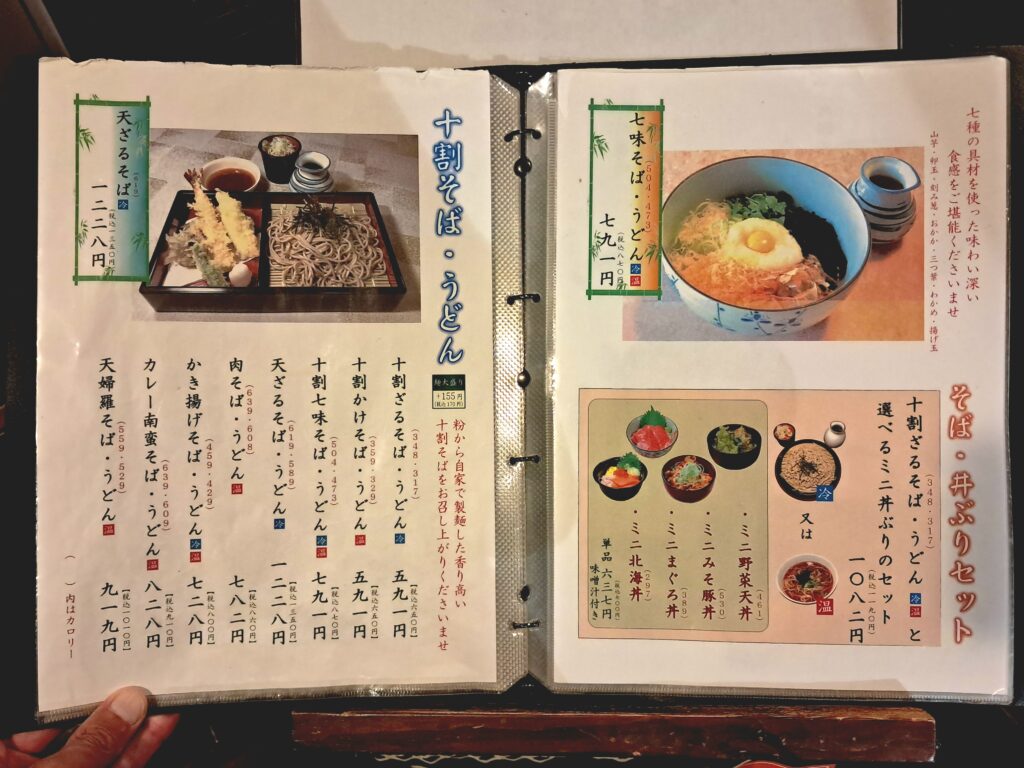
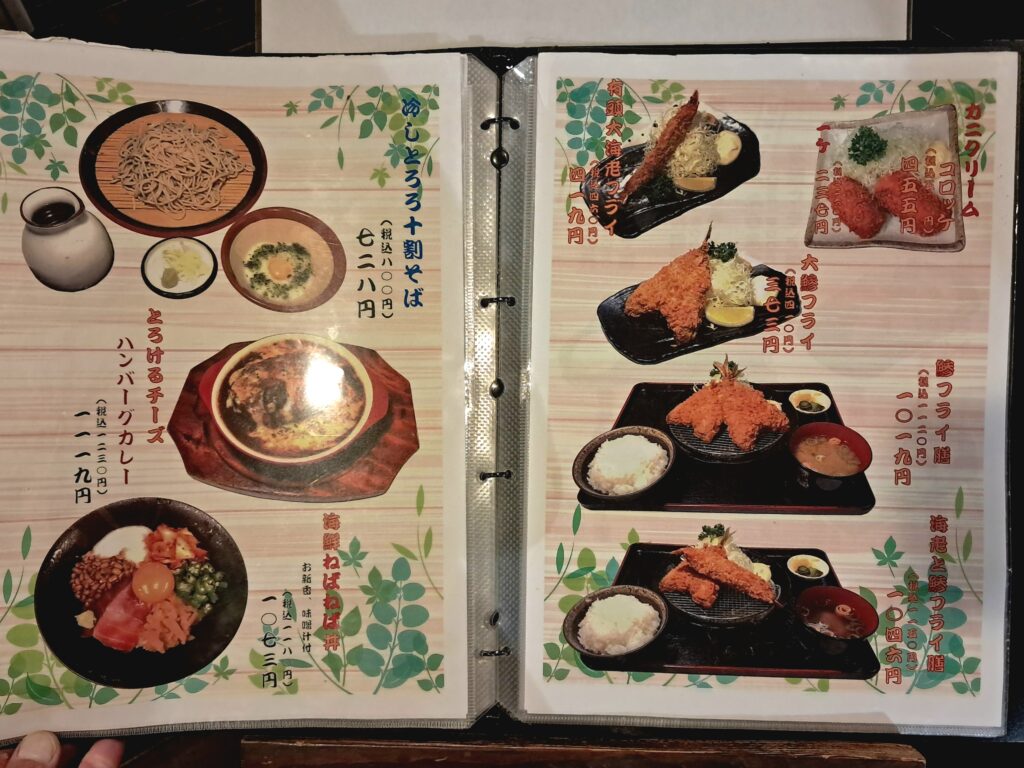
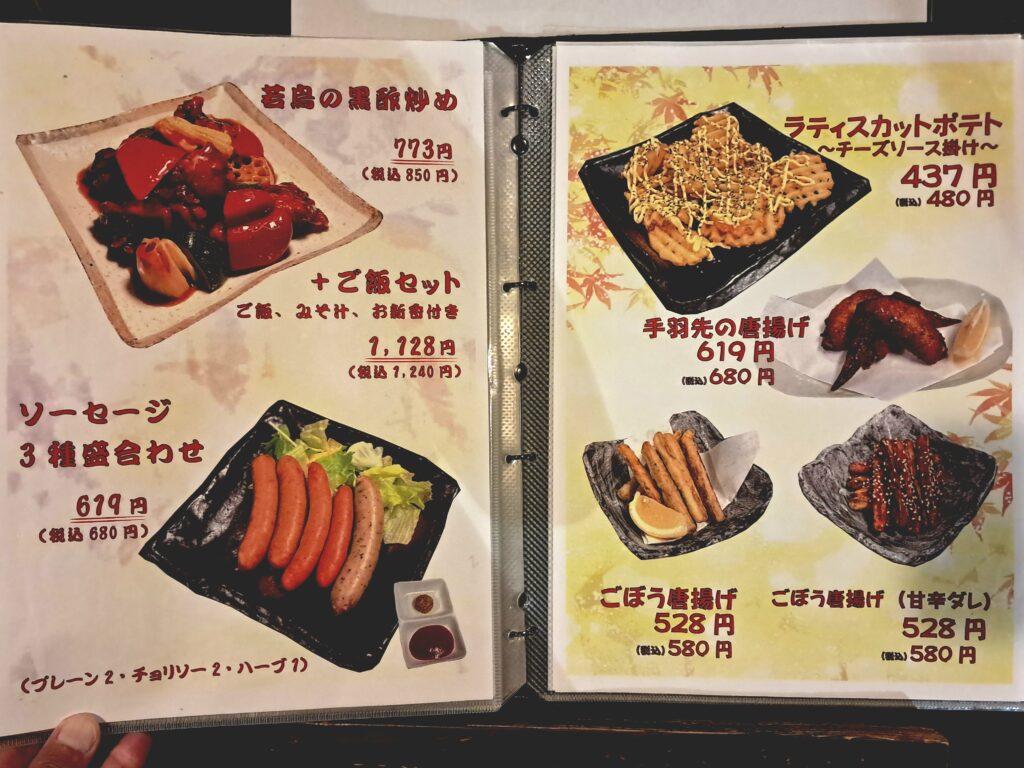
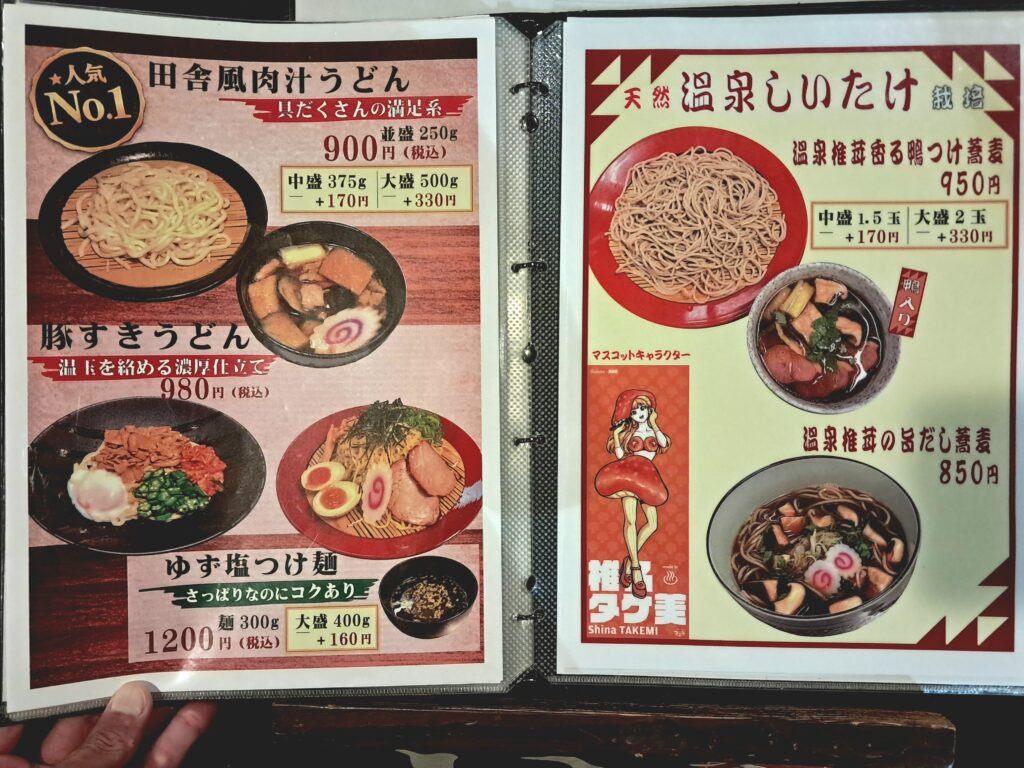
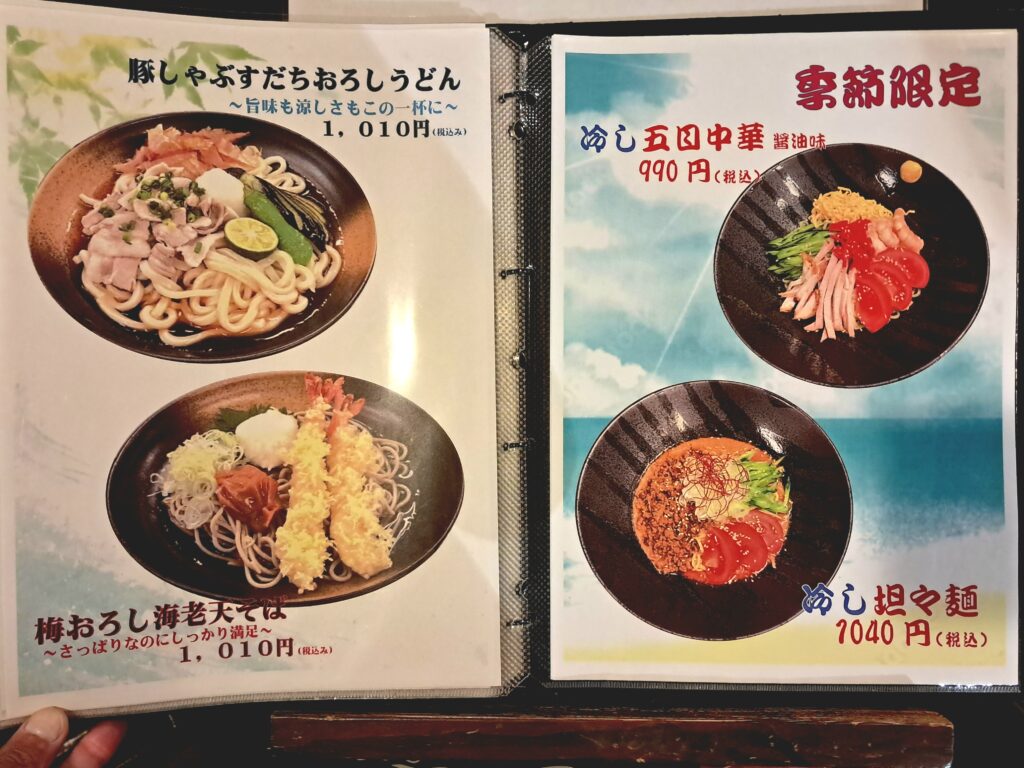
The uniquely creative dishes featuring Onsen Shiitake mushrooms and Onsen sea urchin are, of course, a major draw.
On top of that, it’s wonderful to be able to enjoy dishes rich in local flavor and the distinctive “Nagomi” style—such as “Niku-jiru Udon,” a signature Saitama delicacy; “Fried Loach,” a regional specialty from northeastern Saitama; and dishes made with Nagomi Onsen’s homemade tofu (and the prices are incredibly reasonable, too).
Thinking, “Since I’m here, I might as well try something truly Saitama-style…,” I ordered the Miso pork rice bowl—Chichibu region’s famous speciality— and Nagomi Onsen’s homemade tofu.
The food arrived smoothly, just about five minutes after I placed my order.
The Miso Pork Bowl features large pieces of pork coated in a rich miso sauce that pairs perfectly with rice.
The house-made Nagomi tofu has a wobbly, jiggly, and melt-in-your-mouth texture, and you can really taste its rich soy flavor.
The food at Nagomi Onsen is seriously top-notch…!
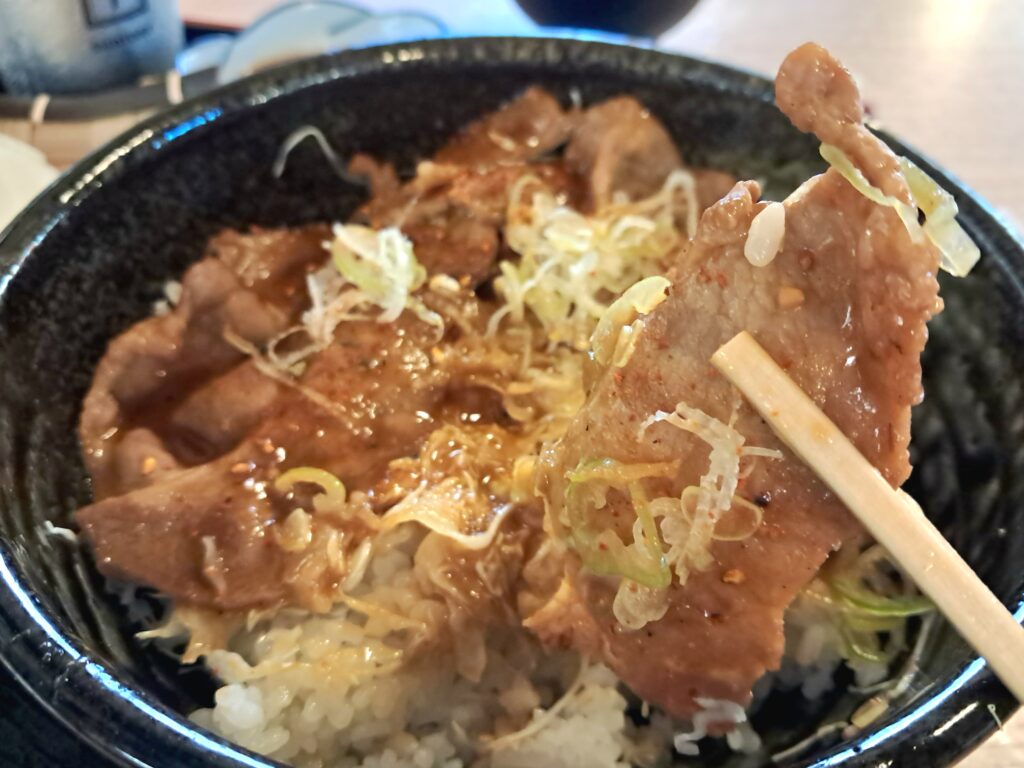
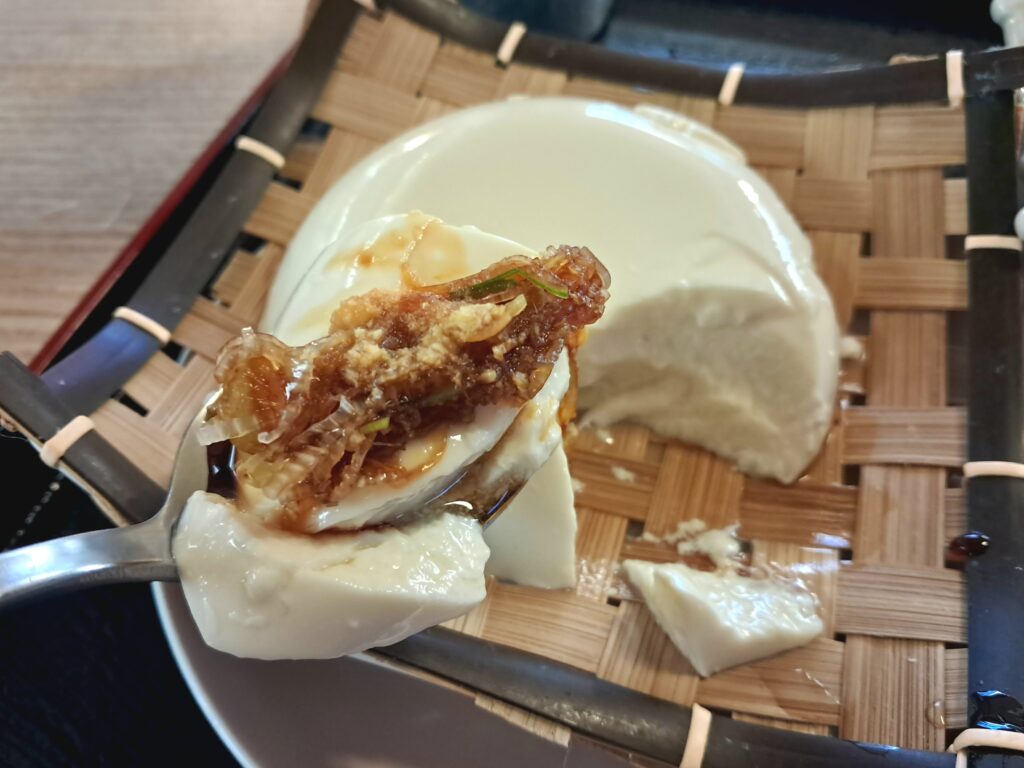
Not only are the prices reasonable, but the portion sizes are also more than satisfactory.
The taste is excellent, and I think the quality is quite high for food served at a hot spring facility like this.
Of course it’s perfect for a hearty meal, but since they also offer alcoholic beverages at reasonable prices, it’s a great spot to order a few appetizers and have a drink after your bath.
Summary: Overall Evaluation & Recommended Sightseeing Plan
Overall Evaluation of Nagomi Onsen
So, I’ve been sharing all sorts of little details about Nagomi Onsen.
To wrap things up, I’m going to rate Nagomi Onsen—based entirely on my own subjective opinion—covering everything from the quality of the hot springs to the facilities!
・Access: 7/10
・How crowded it is: 7/10
・Staff: 10/10
・Size & openness of the bathing area: 6/10
・Cleanliness: 5/10
・Water quality of the hot spring: 8/10
・Variety of baths: 7/10
・Sauna: 8/10
・Amenities & Supplies in the Changing Room: 6/10
・Convenience of the Reservation System: 10/10
・Guest Demographics: 7/10
・Atmosphere: 6/10
・Food: 8/10
・Rest Area: 2/10
・Value for Money: 8/10
・Overall: 7.0/10
So, that’s about it. While there are certainly some minor details that make me think, “It would be better if this were a little different…,” I’m very satisfied to be able to enjoy such a wide variety of baths and saunas at this price.
Overall, it’s a facility I can highly recommend, but the biggest downside is that it does feel a bit cramped.
When it’s not crowded, it’s not that bothersome, but during busy times—like weekends or weekday evenings—you might feel quite cramped.
The facility itself is kept clean, but there were some minor flaws, such as the floor near the entrance to the bathing area being a bit slippery and some stray hairs in the changing room.
Some of the “beds” (or what appeared to be beds) in the rest area were also partially torn.
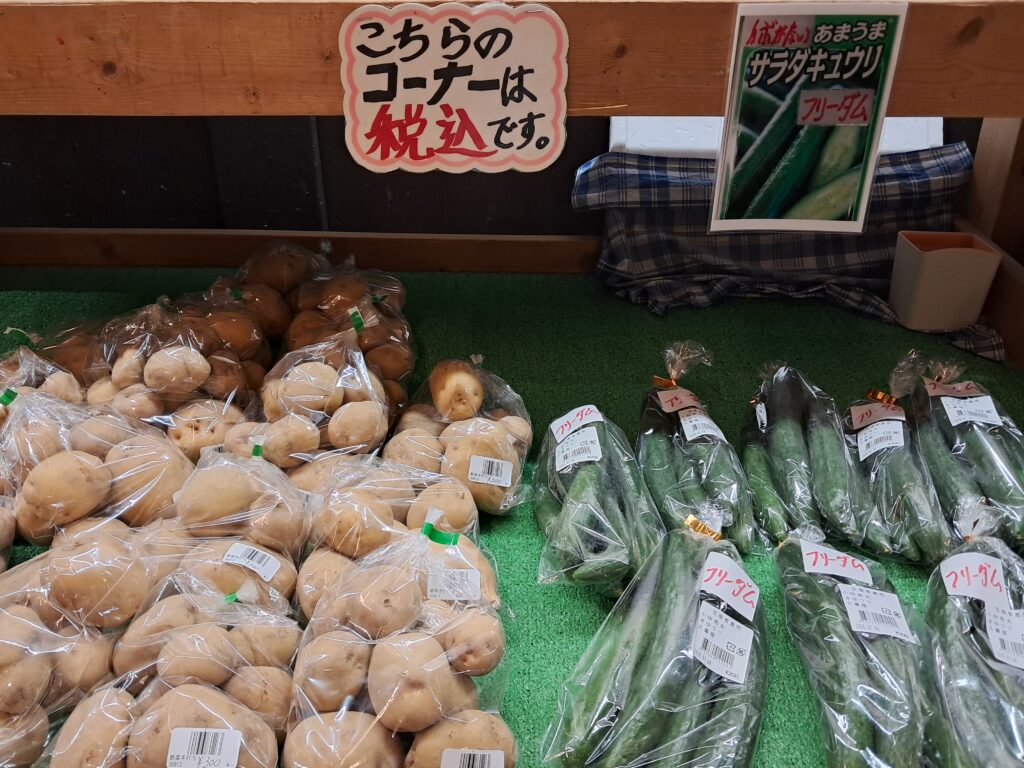
…Well, even though there are a few minor drawbacks like these, Nagomi Onsen is, overall, a pretty good facility.
I get the impression that they skillfully make up for unavoidable physical limitations—such as the limited site area—with the staff’s warm hospitality, a uniquely quirky concept, and a high-quality restaurant that’s so impressive you’d hardly believe it’s part of a hot spring facility.
To put it simply, it’s a “community-oriented, homey day-trip hot spring facility.”
I think the warm atmosphere—the kind you rarely find in urban areas—is one of Nagomi Onsen’s greatest charms.
Nagomi Onsen is fairly easy to reach from Kuki Station, making it the perfect place to wash away the day’s sweat at the end of your Kuki sightseeing trip.
Let the top-quality hot spring water, delicious meals, and uniquely quirky atmosphere heal you right down to your core…!
Places to Visit with Nagomi Onsen…
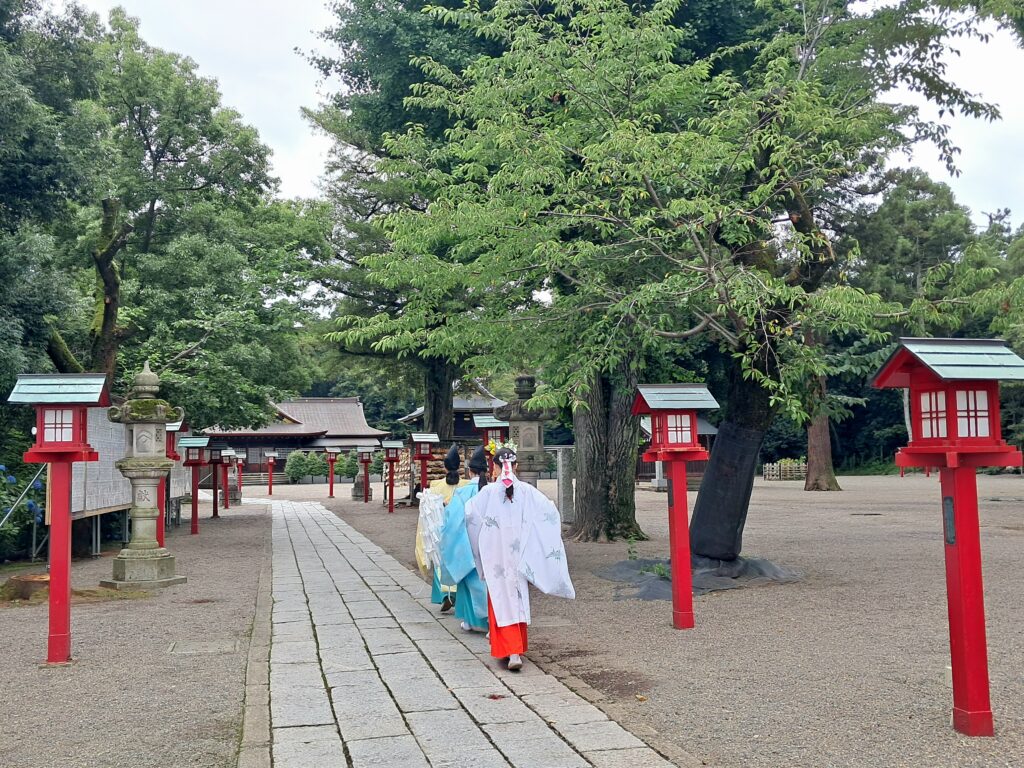
Nagomi Onsen is located in the Kuki area of Kuki City, Saitama Prefecture.
In the vicinity, there are places popular with tourists to towns where you can enjoy the cuisine unique to Saitama Prefecture, and it is a great place to go sightseeing with a hot spring visit.It is recommended!
Visit the famous Gachi Shrine in anime: Washinomiya Shrine
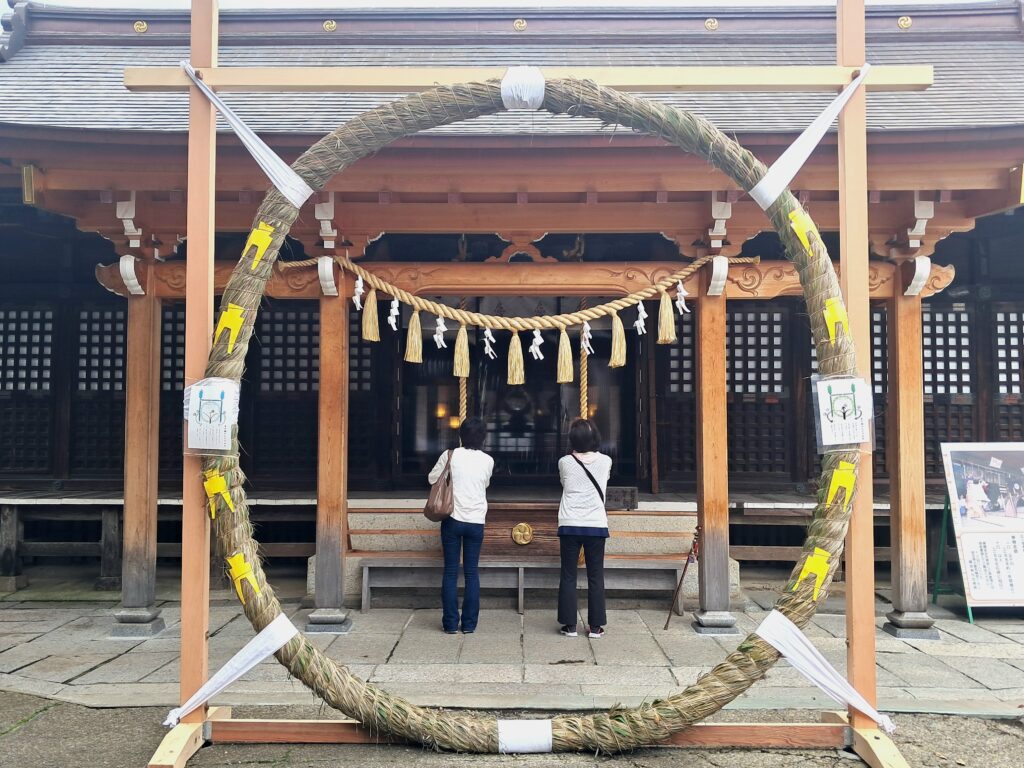
Washinomiya Shrine, accessible from Washinomiya Station in Kuki City—just one stop away from Kuki Station, the nearest station to Nagomi Onsen, on the Tobu Line—is a venerable sacred site with a long history.
In recent years, visitor numbers have surged as the site has become famous for being the setting of the hugely popular anime “Lucky☆Star,” but the fact that neither the shrine nor the town has capitalized on this tourism boom and has retained its authentic character is a big plus.
There is a constant stream of people paying their respects at Washinomiya Shrine, and you can frequently see shrine maidens performing prayer rituals—it’s wonderful to experience this “sacred site that has preserved its traditions intact.”
Indulge in Mysterious Culinary Delights in a Town That’s a Cut Above the Rest: Kuki City
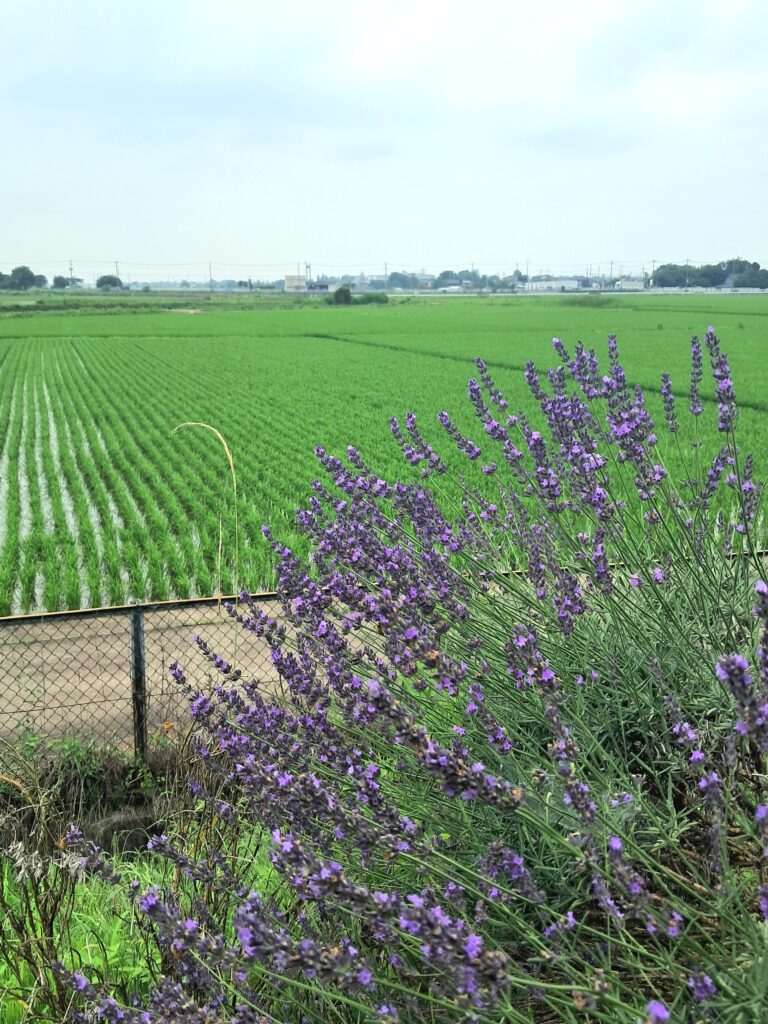
Kuki City, home to Nagomi Onsen, is a central town in the northeastern part of Saitama Prefecture, boasting a surprisingly large area. It’s accessible via two railway lines—JR and Tobu—and has fairly good transportation links.
While Kuki City may not seem to have many notable tourist attractions, the town’s greatest charm lies in its “quirky” vibe.
Of course, there’s Nagomi Onsen, renowned as a “day-trip hot spring that goes above and beyond.” But beyond that—from its bizarre local cuisine to a marsh rumored to be “Saitama’s Bora Bora Island”—just about everything in Kuki City goes way beyond what you’d expect.
Eat Your Heart Out in Saitama’s Top Udon Town: Kaso City
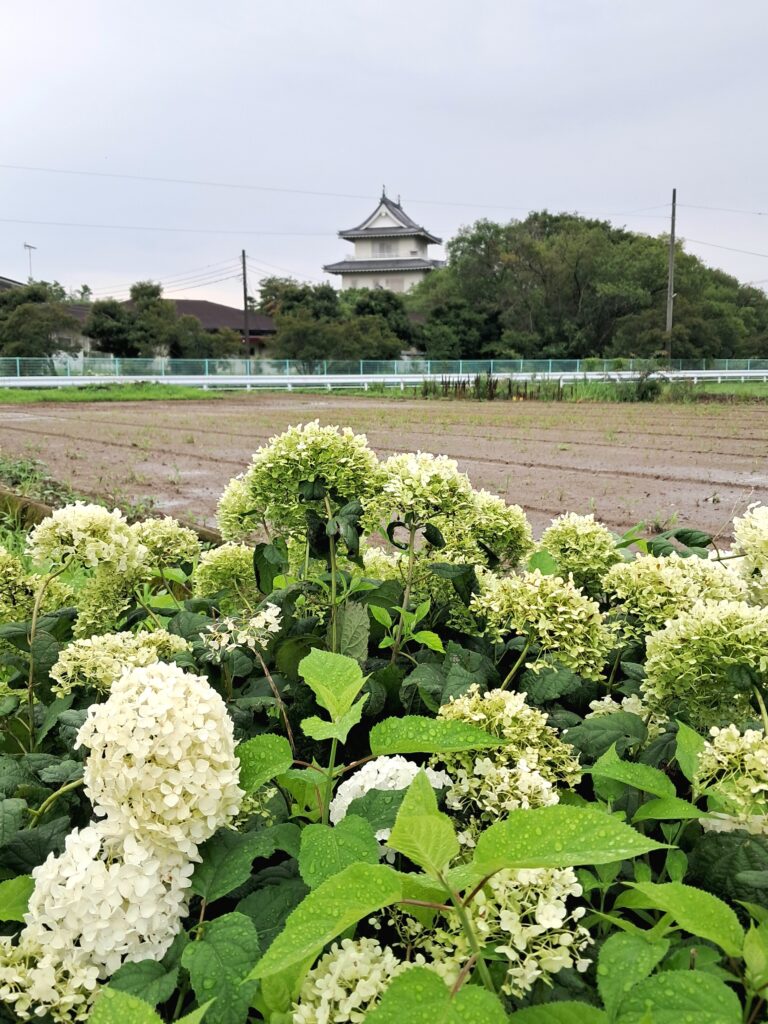
Located just north of Kuki City, Kazo City is a small town set against a backdrop of peaceful rural scenery. From the ruins of a Sengoku-period castle to sweets made with the region’s famous fruits and cycling along the Watarase Flood Control Reservoir, it’s a town where everyone can find something to enjoy.
Furthermore, in Saitama Prefecture, Kazo City is known as the “Town of Udon.” Small udon restaurants centered around the local specialty, Kazo udon, are scattered throughout the town, and it’s a real treat to try them one by one to find your favorite.
Comments