
Hello there!
Lately, I’ve been thoroughly exploring Saitama Prefecture… It’s Nobuyo (@nobuyo5696) here!
I’ve been obsessed with visiting day-trip hot spring facilities scattered all over Saitama Prefecture, and I’ve finally found it… a completely flawless, perfect hot spring…
And that is Saitama Seiganji Onsen, which I’ll be introducing today.
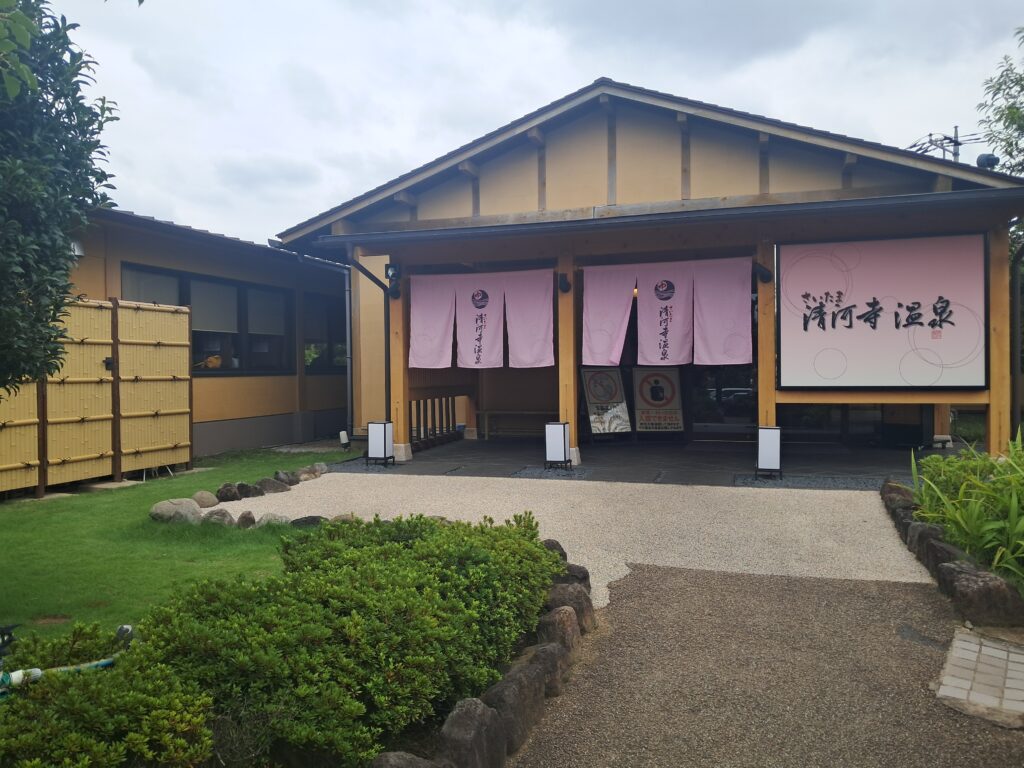
Saitama Seiganji Onsen is located in Nishi Ward, Saitama City, the capital of Saitama Prefecture.
Despite being in a sprawling metropolis boasting a population of over a million, this facility makes you feel like you’ve taken a mini-trip to a hot spring inn deep in the countryside.
The fully Japanese-style exterior already raises your expectations, and I promise you will absolutely not be disappointed.
The interior atmosphere, the customer service, the food at the on-site restaurant, and above all, the crucial quality of the hot spring… Saitama Seiganji Onsen is perfect in every single way.

The fact that you can use a facility of this quality for just 900 yen is nothing short of a “Saitama Miracle.”
With even more passion than usual, I’m bringing you a visit report of this incredibly wonderful facility!
- A Top-Tier Day-Trip Hot Spring in Saitama! What is Saitama Seiganji Onsen?
- Overwhelming Dedication to Spatial Design. This is Saitama Seiganji Onsen!
- Saitama Seiganji Onsen Business Hours | Fees | Facilities
- Saitama Seiganji Onsen’s Water Quality | Supply System
- Saitama Seiganji Onsen’s Crowd Levels | Demographics | Recommended Days/Times to Visit
- Access to Saitama Seiganji Onsen
- I Infiltrated Saitama Seiganji Onsen!
- Other Facilities (Relaxation Spaces | Dining Areas, etc.)
- Summary: Overall Rating & Recommended Surrounding Sightseeing Plans
A Top-Tier Day-Trip Hot Spring in Saitama! What is Saitama Seiganji Onsen?
Overwhelming Dedication to Spatial Design. This is Saitama Seiganji Onsen!
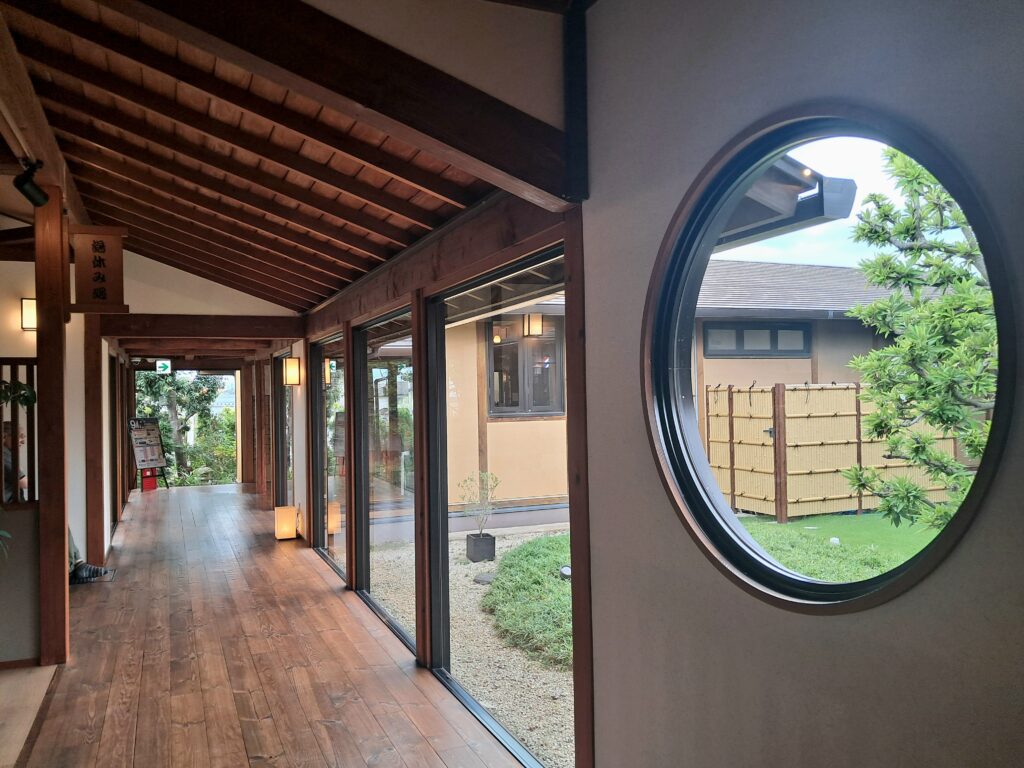
The story of Saitama Seiganji Onsen began about 25 years ago in 1999.
It all started when a hot spring suddenly gushed forth one day from the grounds of a pachinko parlor with a massive parking lot.
At first, it was apparently just a place for locals to bathe inside a small shack-like building, but the facility gradually expanded.
It became the current building—meticulously crafted down to the finest details under the theme of “a premium hot spring experience in a space reminiscent of a pure Japanese-style inn surrounded by nature“—in 2006.
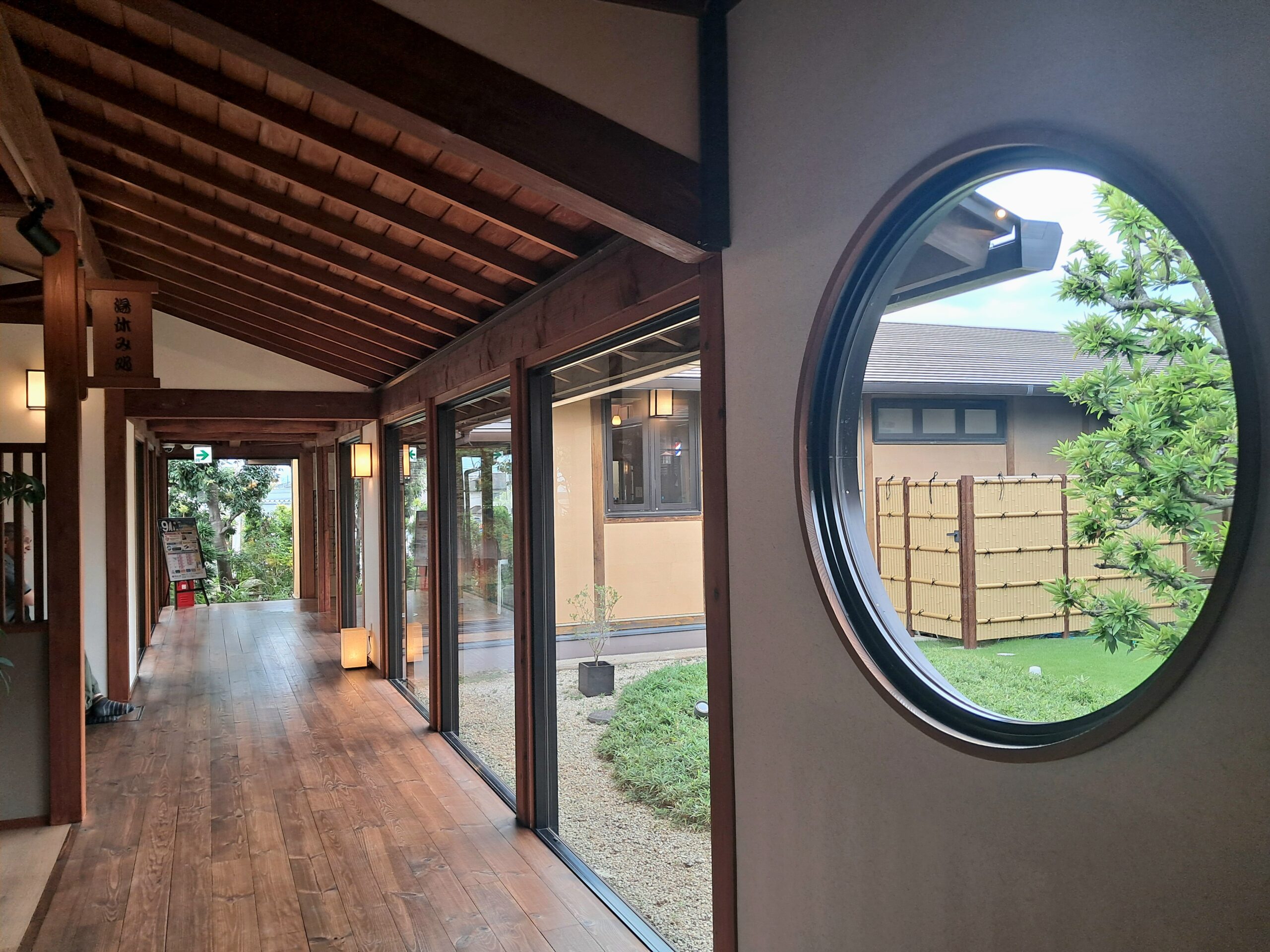
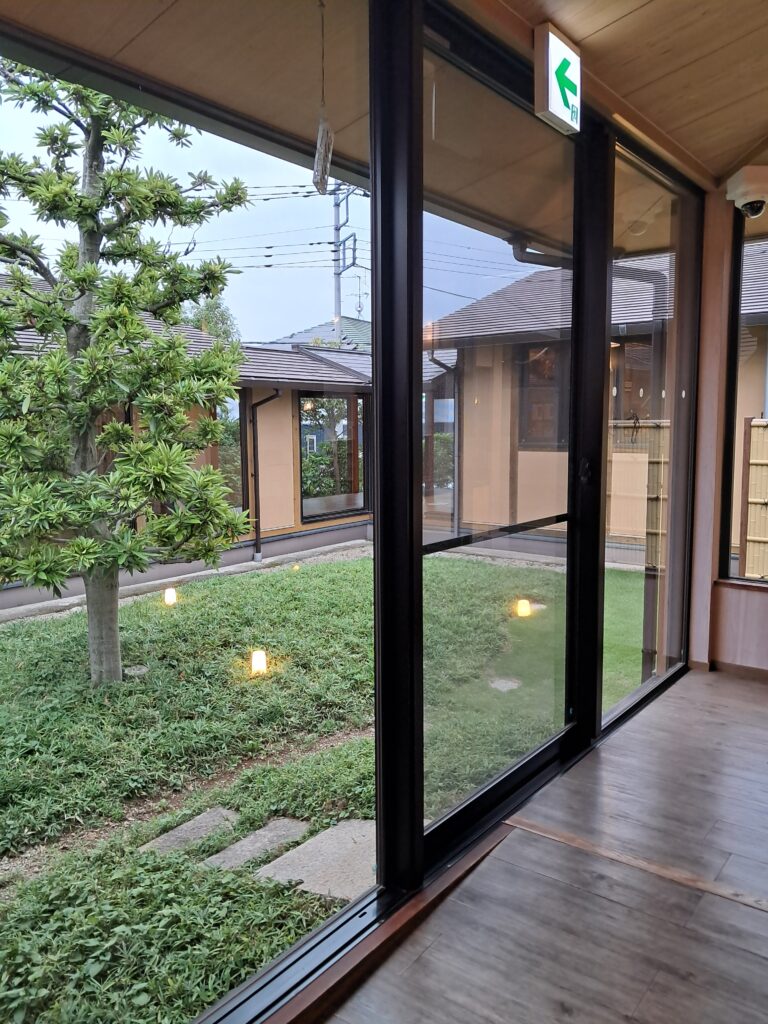
The building of Saitama Seiganji Onsen is a traditional single-story structure. By incorporating a courtyard and setting up covered walkways inside, they’ve created an elegant and spacious atmosphere.
This bold use of land, which would be impossible to pull off in Tokyo, is perhaps exactly what you’d expect from Saitama, right?
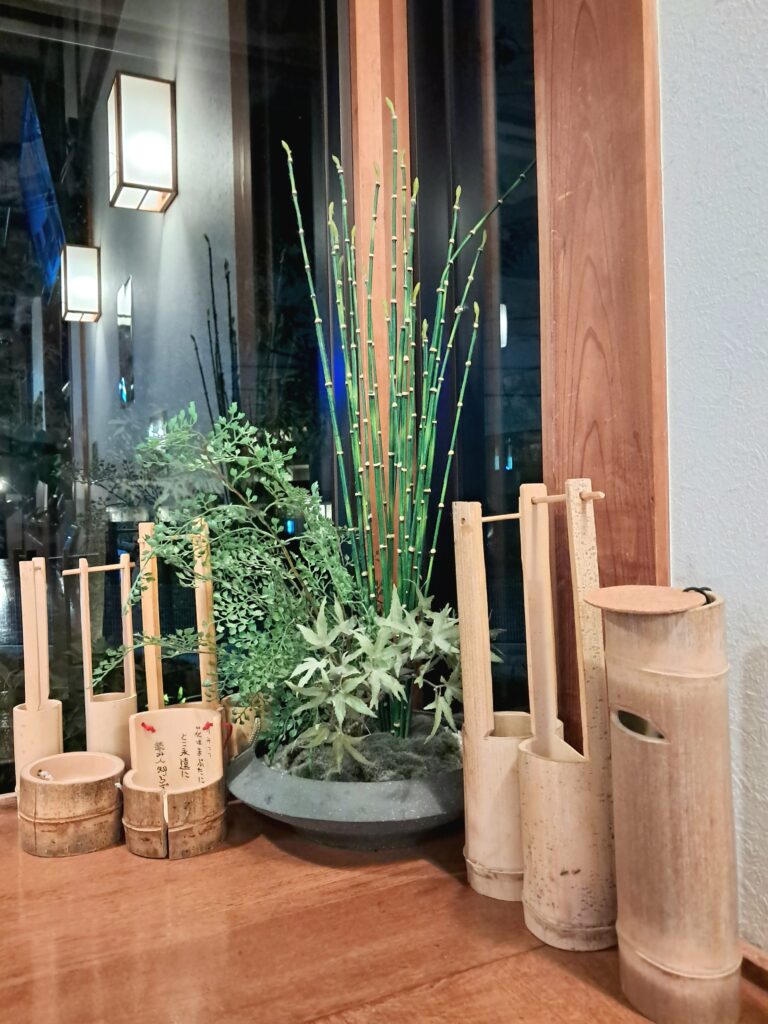
Saitama Seiganji Onsen’s dedication to creating a beautiful space is strongly felt in the bathing areas too. You’ll be especially amazed by the rich emotion enveloping the open-air baths that overlook the bamboo grove spreading behind the building.
In a quiet, elegant atmosphere where it’s hard to believe you’re in a city of a million people, you can enjoy unquestionably high-quality hot spring water.
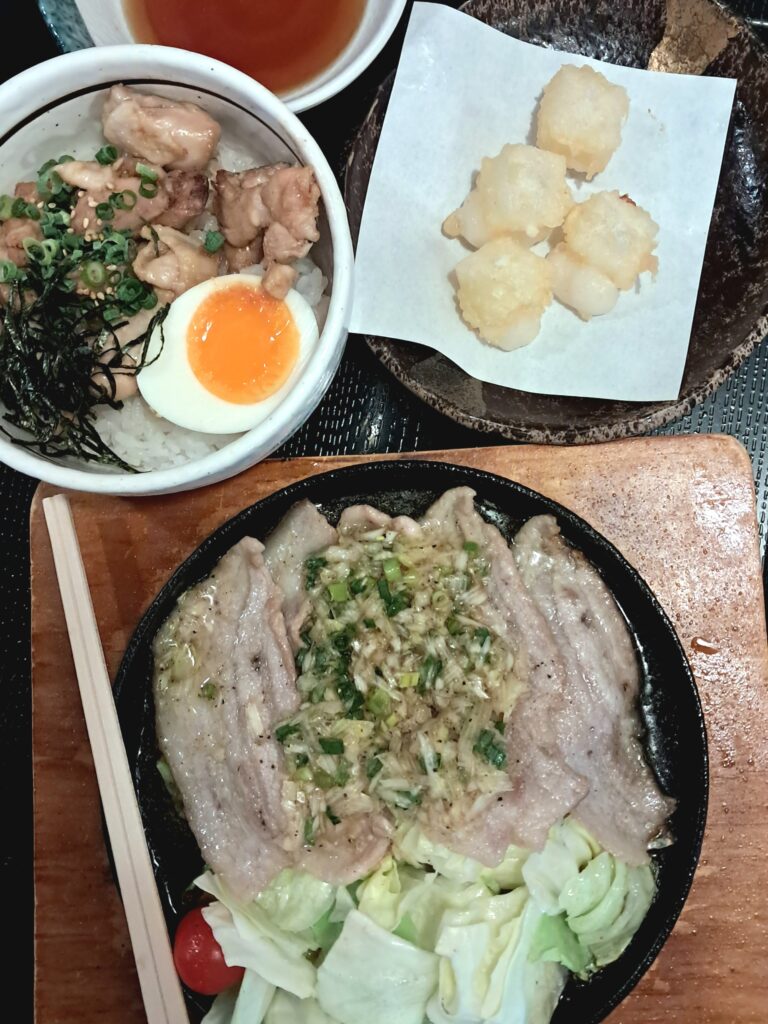
Another fantastic point is that Saitama Seiganji Onsen puts a lot of effort into its food.
You can enjoy a menu featuring fresh pork delivered directly from neighboring Kawagoe City, as well as unique appetizers and sophisticated sweets. Best of all, you’ll love the highly reasonable pricing.
The Japanese atmosphere, the hot springs, the food… Saitama Seiganji Onsen is a place where you can have a highly satisfying experience in absolutely every aspect.
Coming here just to take a bath is a waste! You really should savor the time spent relaxing in this meticulously crafted space.
Saitama Seiganji Onsen Business Hours | Fees | Facilities
Basic information for Saitama Seiganji Onsen is as follows.
The admission fee is 900 yen on weekdays, which is about average for day-trip hot springs in Saitama Prefecture, but once you actually visit, you’ll be shocked: “I can’t believe I can enjoy a facility of this quality for just 900 yen…!”
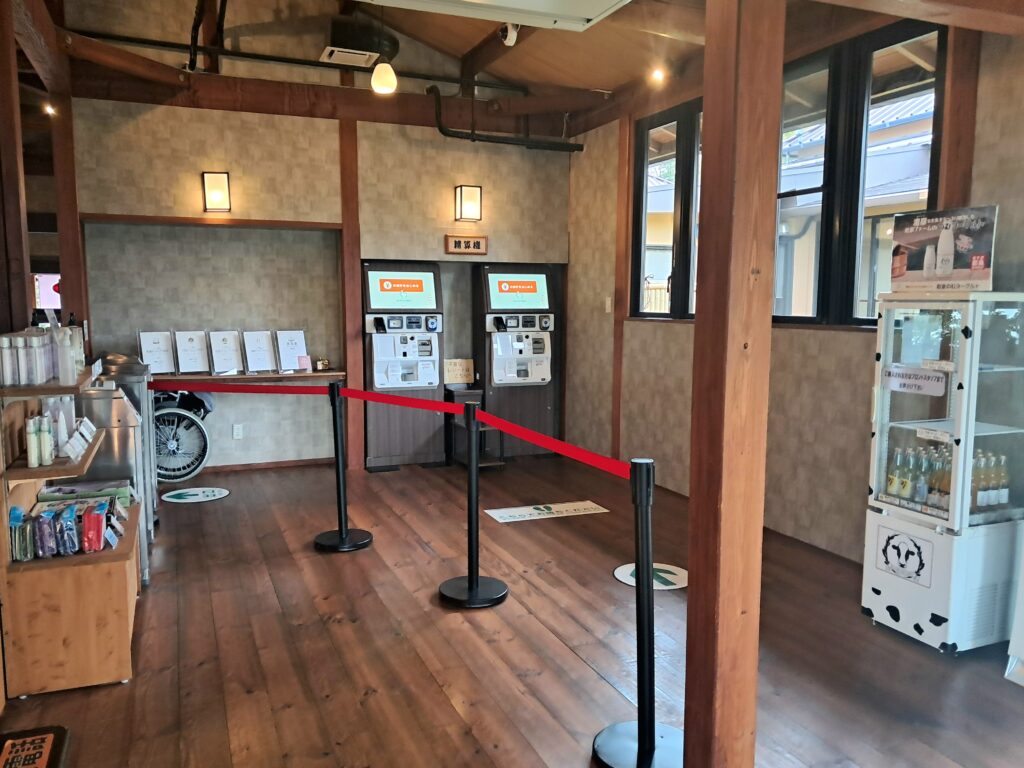
Saitama Seiganji Onsen’s system is very straightforward. The key to the shoe locker you use when you enter doubles as your wristband for in-facility payments.
It’s a postpaid system where you touch this wristband to an automatic payment machine when leaving to settle your admission fee and any money spent inside, like on food.
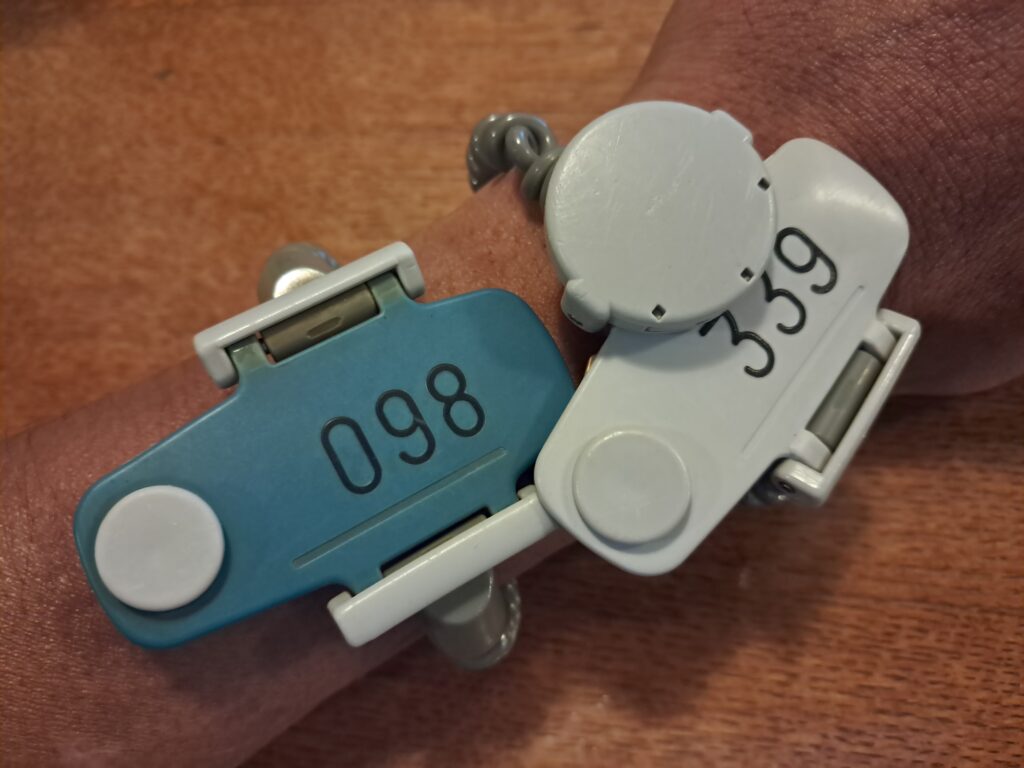
Using the in-house restaurant or vending machines is as simple as touching your payment wristband.
You don’t need any coins to lock your shoe locker or dressing room locker, and since you can pay by card when you leave, it’s totally possible to use the facility without carrying any cash at all.
Also, since towel rentals are not included in the admission fee, renting them for an extra fee is convenient if you don’t bring your own.
Face towels can be rented for ¥100, and bath towels for ¥150 (alternatively, you can purchase an original Seiganji Onsen face towel for ¥250 to take home).
The bathing area is stocked with shampoo, conditioner, and body soap for free use, and it’s great that even the men’s locker room has items like skin toner available.
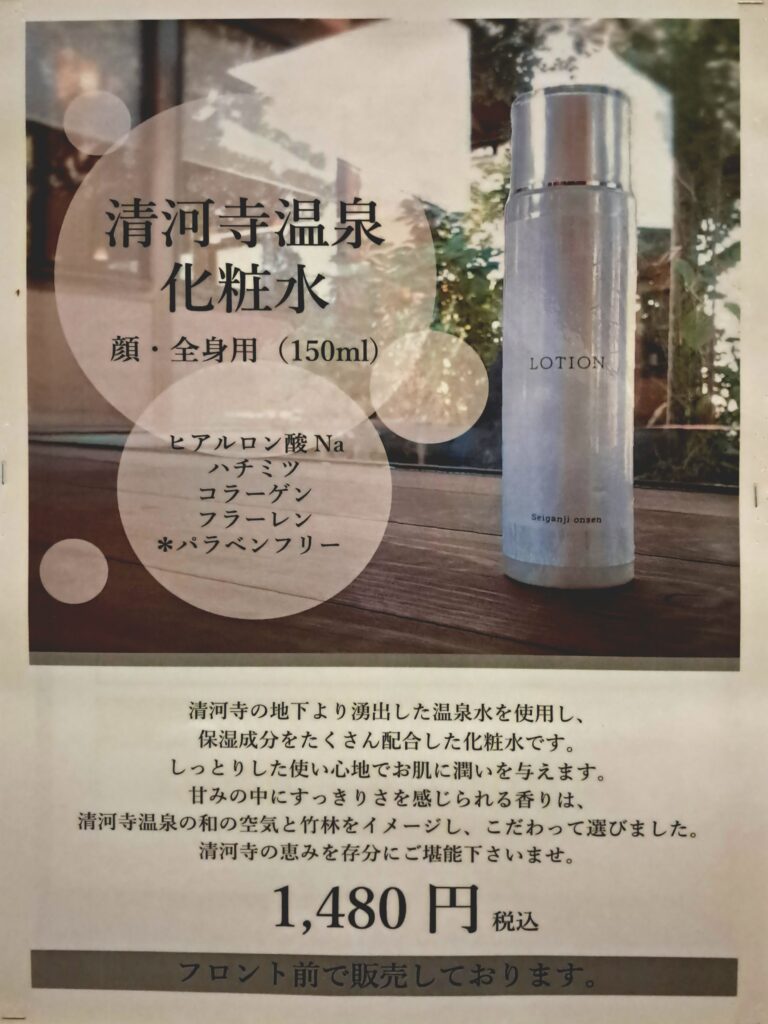
Moreover, there are three types of skincare products provided in total, and the original skin toner, concentrated with Seiganji Onsen’s hot spring water, feels absolutely amazing, so I highly recommend it (you can also buy it for ¥1,480 at the shop corner next to the reception). ▼
These days, many day-trip hot spring facilities offer bedrock baths (ganbanyoku) for an extra fee, but at Saitama Seiganji Onsen, there are no bedrock baths.
The core experience is just the hot springs, relaxation spaces, and the restaurant, though you can also get a massage if you’d like.
Saitama Seiganji Onsen’s Water Quality | Supply System
Drawn into Saitama Seiganji Onsen is a natural hot spring gushing from 1,500 meters underground.
It’s a weakly alkaline sodium chloride spring. The faintly brownish, transparent water has a subtle iron-like scent and a rather strong salty taste.
The point is that while the source water is slightly lukewarm at about 38°C, it basically doesn’t need to be heated.
Seiganji Onsen’s biggest selling point, the 100% free-flowing “raw” lukewarm spring (nama-gensen nuruyu), sits at around 37.5°C. Unheated, unfiltered, and without chlorine disinfection, it is truly a “raw” source spring. Let me tell you… it’s such an absolute perfect temperature that you could stay in it forever.
The same source water is used in the other tubs in the open-air area, with temperatures ranging from 39°C to 41°C depending on the tub, making them a bit hotter than the source.
Fresh, free-flowing water is drawn into all of these tubs without circulation filtration, added water, or chlorine disinfection. The water here is only heated.
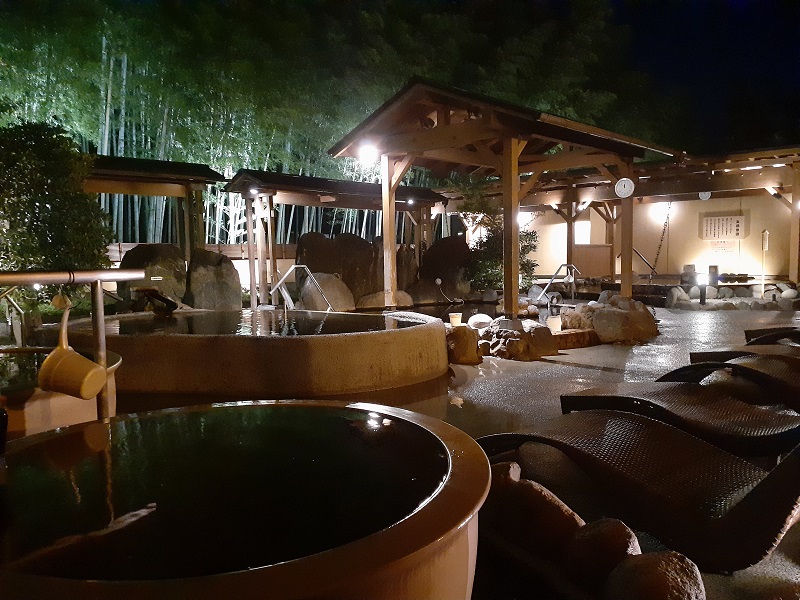
Saitama Seiganji Onsen is undeniably wonderful just looking at its water quality, temperature, and supply system, but what makes it even more amazing is the atmosphere of the open-air area.
How should I put it… it’s just so “Japanese style”. It features a masterfully designed space that makes you reaffirm, “I’m so glad I’m in Japan…”
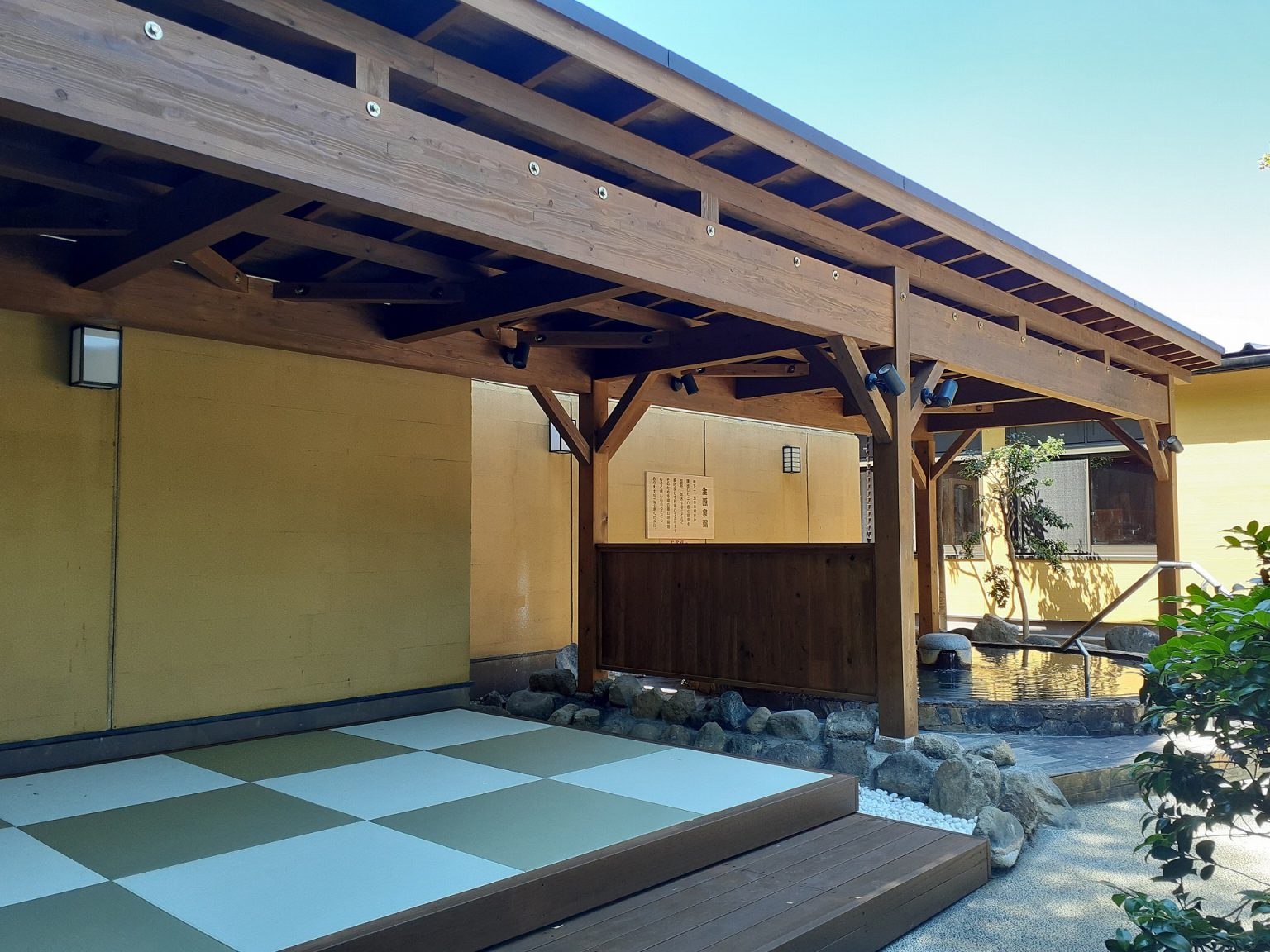
The grounds of the open-air area are very spacious, and the relaxed negative space in the design leaves a great impression.
The atmosphere of the open-air area illuminated by dim lights from dusk to after sunset is particularly exquisite. You can soak in the lukewarm water and fully savor the scene, where the only sounds echoing are the rustling of the wind through the bamboo grove and the chirping of bell crickets.
Saitama Seiganji Onsen’s Crowd Levels | Demographics | Recommended Days/Times to Visit
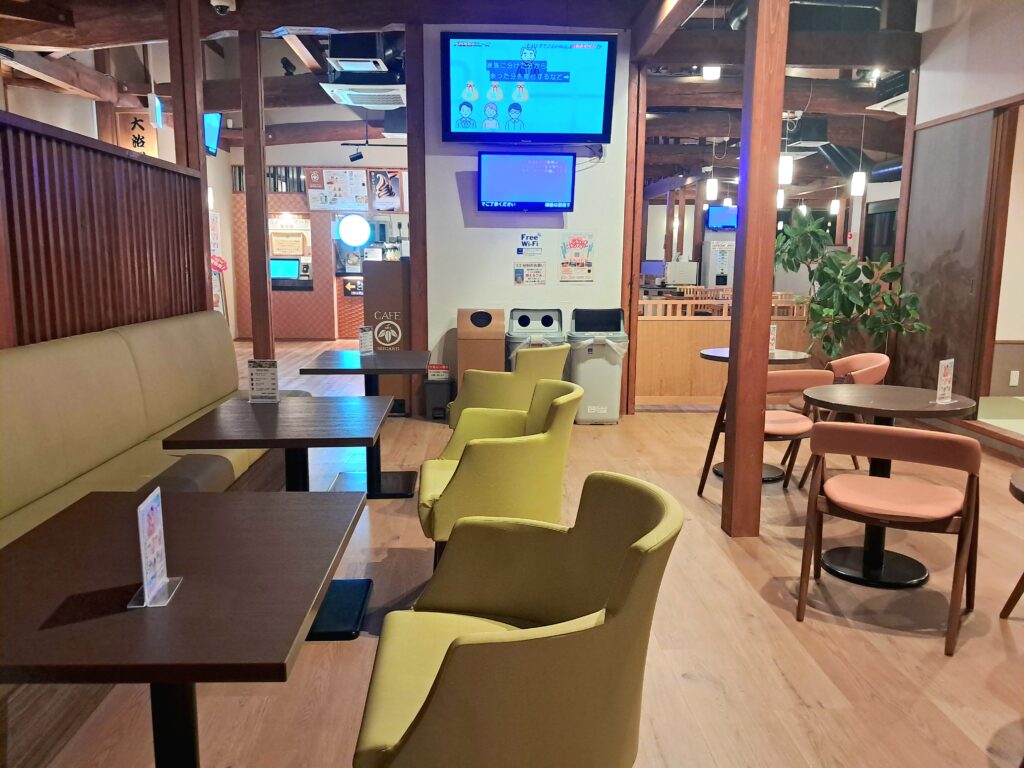
Seiganji Onsen is located in Saitama City, the most urban area in Saitama Prefecture.
Being able to fully enjoy a facility of this quality for a mere ¥900 makes it quite a popular spot even within Saitama City.
Because of that, I, Nobuyo, visited prepared for massive crowds.
Thinking, “Weekends will definitely be packed, but maybe it won’t be too crowded at an awkward time on a weekday…?”, I arrived at Seiganji Onsen around 4:00 PM on a Tuesday.
My first impression after arriving and taking a quick walk around the facility was, “Wait…? It’s not crowded at all… no, actually, it’s pretty empty…?“
That impression didn’t change even when I went to the bathing area; there were only about 20 guests in the entire spacious grand bath.
The sauna, which is usually always packed, was practically deserted. While I wouldn’t go so far as to say the whole place was completely empty like a private rental, it was far less crowded than I had imagined.
Thinking, “I guess even Seiganji Onsen is empty on weekday afternoons… but surely it’ll get slammed from the evening onward…”, I ended up sticking around the facility for 6 hours (like, how long are you going to stay?!).
However, as 5:00 PM passed and the sun set at 6:00 PM, the number of guests didn’t increase at all; in fact, people were gradually leaving. By around 7:00 PM, it was literally “empty.”
From around 8:00 PM, small groups of students and solo male guests who looked like they were on their way home from work started trickling in, bringing a bit of liveliness, but it still felt quite uncrowded.
Perhaps because Seiganji Onsen is in a slightly more rural area away from the train stations—despite being in Saitama City—there’s less demand for a “quick dip after work.”
Saitama Seiganji Onsen’s demographic is also somewhat unique.
Day-trip hot springs in Saitama Prefecture basically turn into senior care centers full of elderly guests during the daytime, but even on a weekday afternoon—which should be prime time for grandpas and grandmas—there are very few elderly guests here.
The main demographic at Seiganji Onsen is solo men in their 40s to 50s.
Next are young people in their 20s and 30s, along with adult mother-daughter pairs. For some reason, you almost never see guests with small children or couples.
Because of that, my impression was that a quiet, elegant adult space was firmly maintained, completely free from seniors with terrible manners or kids screaming and running around.
The guests’ manners are quite good, and the quality of the clientele is unbelievably high considering the reasonable admission fee.
Exactly why the clientele is so good… the reason remains shrouded in mystery, but maybe human beings naturally quiet down when faced with an atmosphere as elegant as Seiganji Onsen’s?
The “healing space for adults” vibe is incredibly strong. For those who want to quietly enjoy an extraordinary space, there might be no better place than Seiganji Onsen.
Just one thing to keep in mind: this was entirely based on a weekday.
Friday nights and weekends will undoubtedly be crowded, and there will surely be more guests with children. If you want to enjoy Seiganji Onsen at 100%, visit on a weekday without question!
Access to Saitama Seiganji Onsen
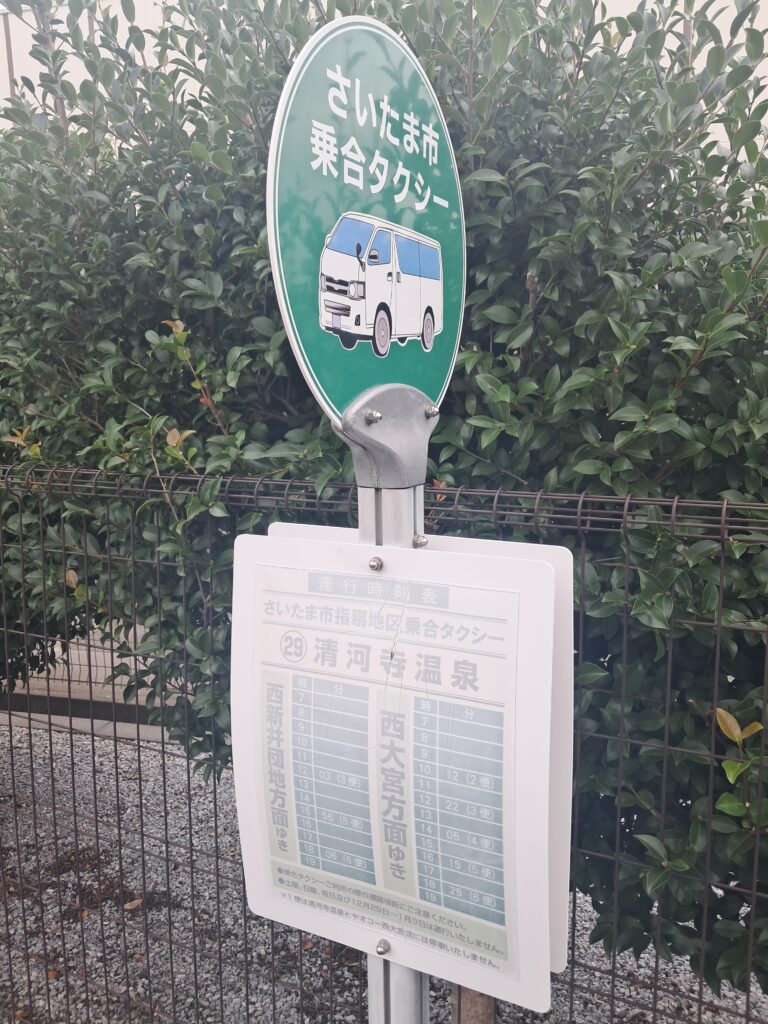
The nearest station to Saitama Seiganji Onsen is Nishi-Omiya Station on the JR Kawagoe Line.
It’s about 1.5km (a 20-minute walk) from Nishi-Omiya Station, so accessing it by train and on foot is entirely possible.
However, the bottleneck is that in most cases, you have to transfer at Omiya Station or elsewhere to get to Nishi-Omiya Station.
While there is no free shuttle bus, a route bus operates between Omiya Station West Exit and Seiganji Onsen, stopping right in front of the hot spring, so using Omiya Station as your base is generally more convenient. ▼
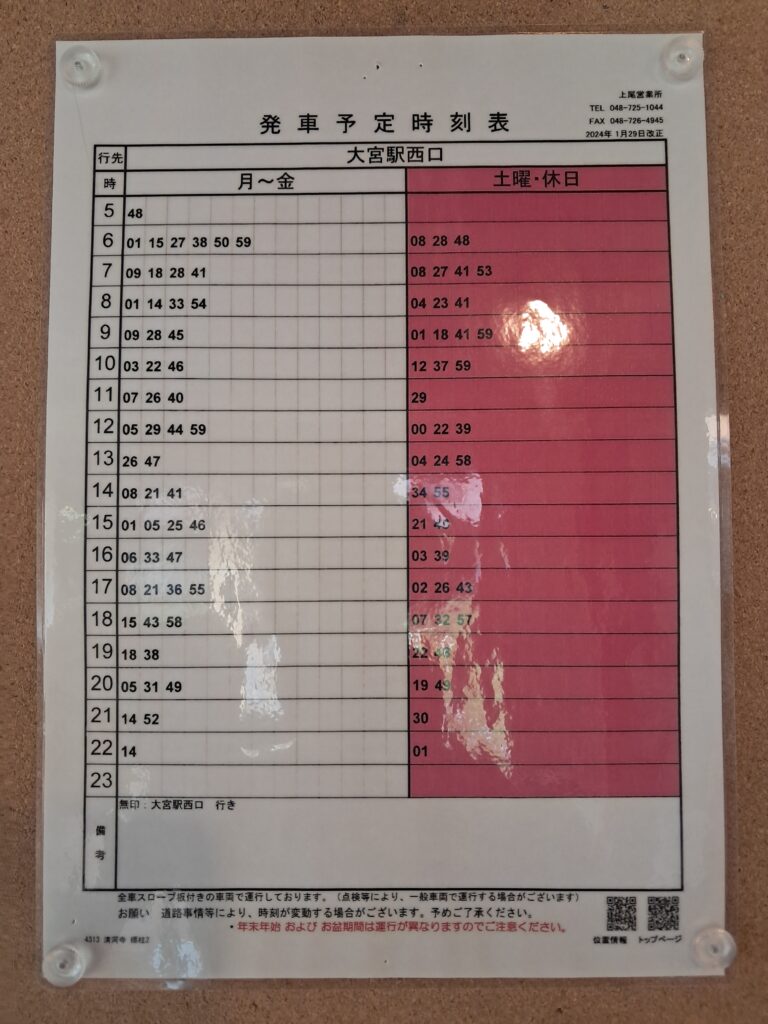
The route bus runs about 3-4 times an hour depending on the time of day, so it doesn’t feel that inconvenient.
The bus route number is “O-62” (大62), departing from the rotary at Omiya Station West Exit. Its destination is “Maruyama Park” in the neighboring city of Ageo. It takes about 20 minutes one-way from Omiya Station West Exit to the “Seiganji Onsen” bus stop, and costs ¥350.
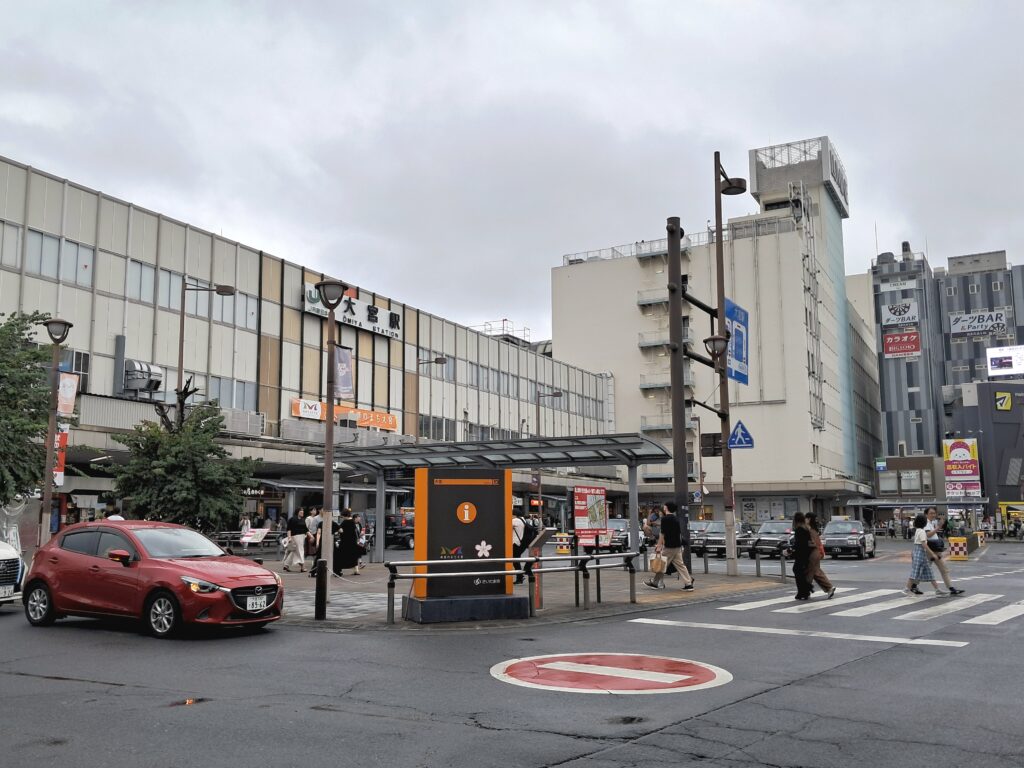
Omiya Station serves as Saitama Prefecture’s largest terminal station, and if you use JR lines, you can access it directly from the Tokyo area without transferring.
You can also access it from within Saitama Prefecture via an extensive railway network including JR, Tobu Railway, and the New Shuttle, while the Tohoku, Joetsu, and Hokuriku Shinkansen lines make long-distance access a breeze.
▶ Tokyo Station to Omiya Station: 35 minutes via JR Utsunomiya Line (no transfers) | ¥620
▶ Shinjuku Station to Omiya Station: 30 minutes via JR Shonan-Shinjuku Line (no transfers) | ¥530
▶ Kasukabe Station to Omiya Station: 20 minutes via Tobu Urban Park Line (no transfers) | ¥330
▶ Kawagoe Station to Omiya Station: 25 minutes via JR Kawagoe Line Rapid (no transfers) | ¥350
▶ Kumagaya Station to Omiya Station: 40 minutes via JR Ueno-Tokyo Line (no transfers) | ¥620
Even if you’re arriving by car, there’s no problem as there’s a spacious parking lot right next to the facility.
You can use it for free for as many hours as you like.
I Infiltrated Saitama Seiganji Onsen!
Now that you have an idea of what kind of place Saitama Seiganji Onsen is, let’s go! To the hot spring…!!
I’ll be reporting frankly and in detail on everything from things to note when using it and crowd levels, to my actual thoughts after bathing and even parts where I felt, “I wish they did this instead…”!
Reception to the Hall
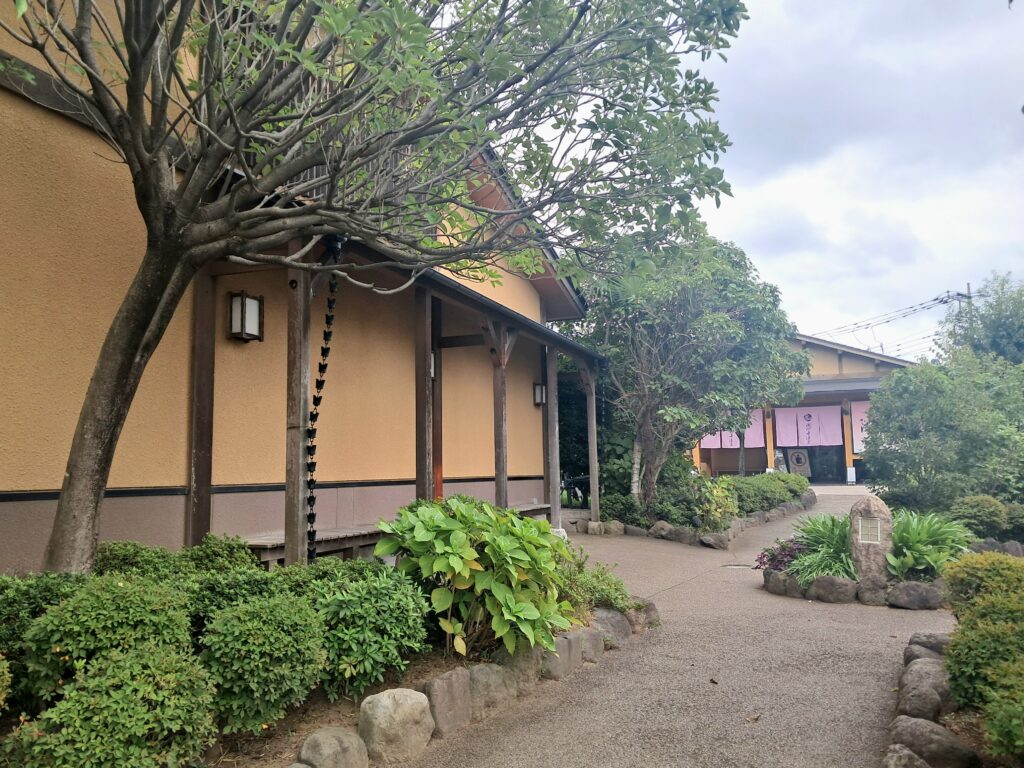
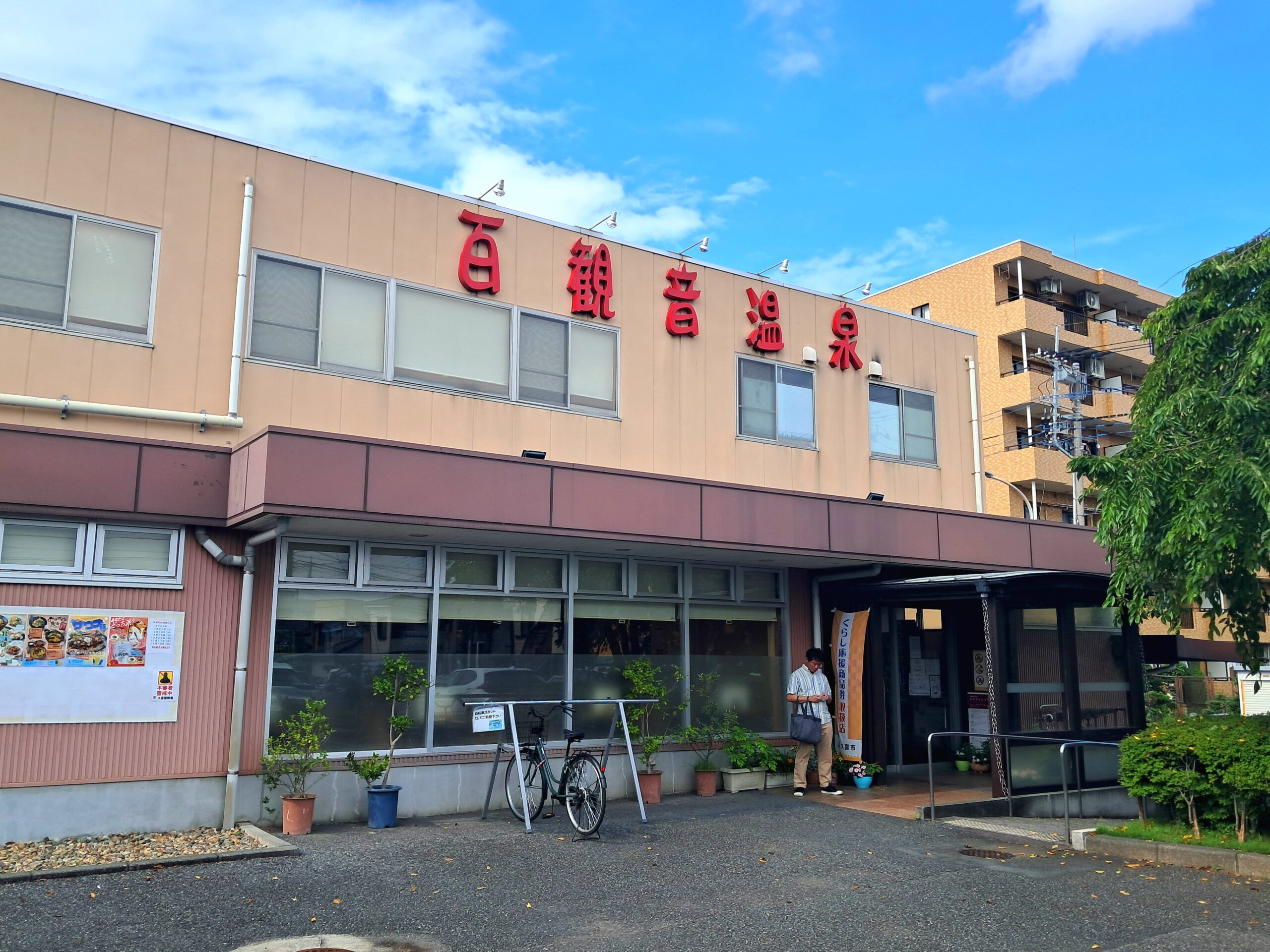
The exterior of Saitama Seiganji Onsen boasts a traditional appearance reminiscent of a hot spring inn deep in the mountains.
Based around a white color scheme, it gives off a calm impression, while the interior features a spacious design with wooden pillars and beams. The warm, dimly lit lighting adds a lovely touch.
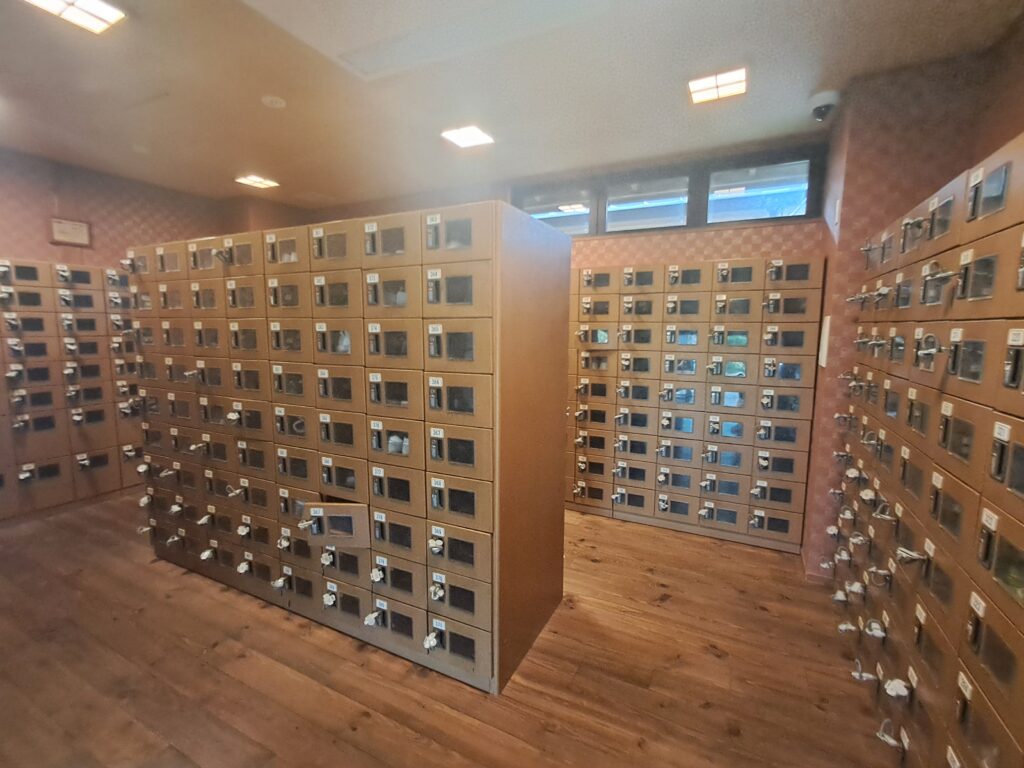
As soon as you step inside, shoe lockers line the wall. Once you put your shoes in and lock them, head to the reception.
Since payment is postpaid, all you have to do is hand the shoe locker key—which also serves as your payment wristband—to the reception to get registered.
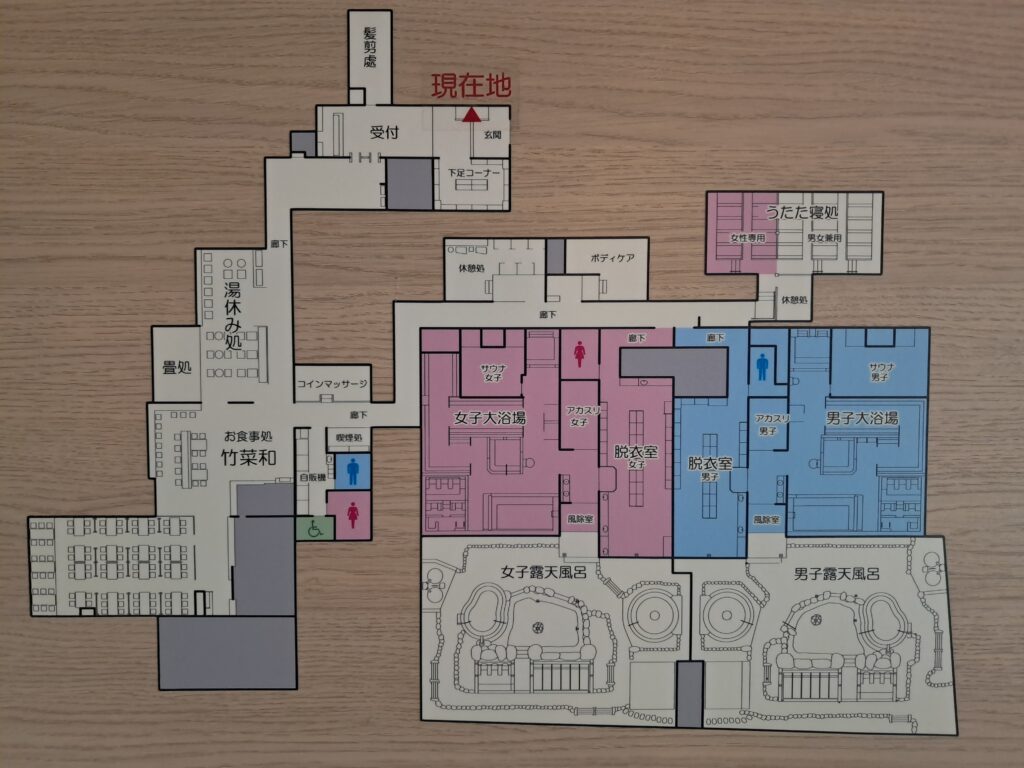
Past the reception, a relaxation area that doubles as a cafe space and a restaurant unfolds. Access to the grand bath located in a separate wing is via a covered walkway from there.
There are no stairs whatsoever on the walkway to the grand bath, which made me impressed by the thoughtful design.
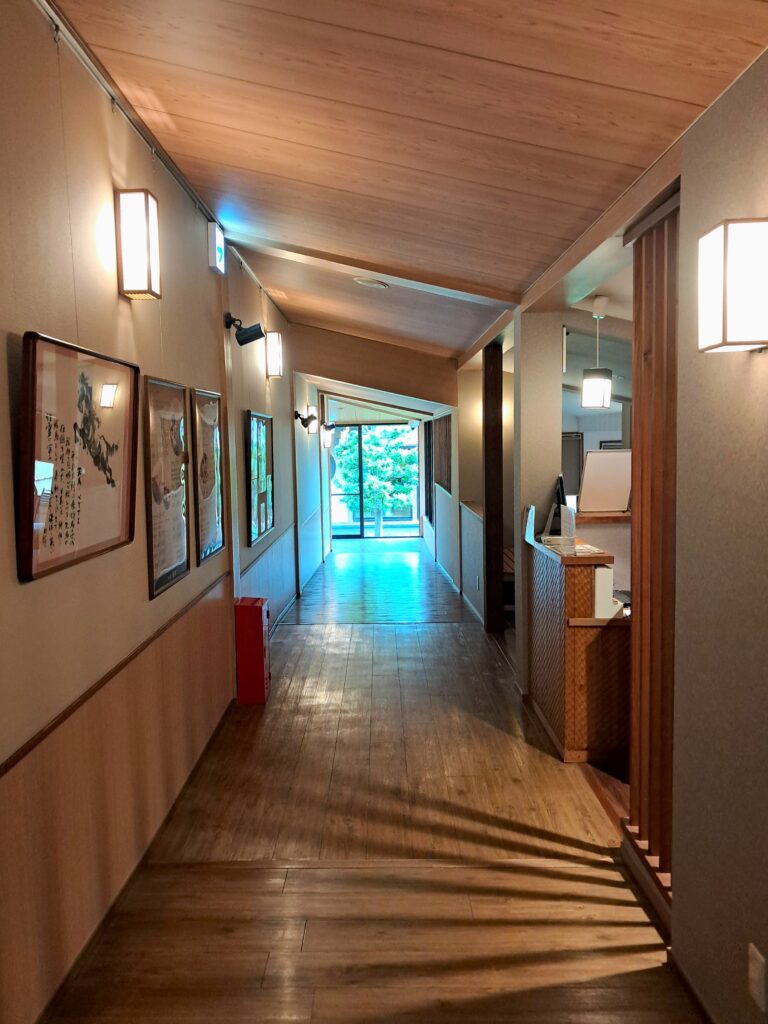
Large windows are installed along parts of the walkway’s walls, letting you admire the courtyard’s greenery as you walk, which gets a big thumbs-up.
It feels like the story of Seiganji Onsen begins from the very moment you start heading toward the baths.
The Japanese Atmosphere is the Best! The Fulfilling Grand Bath
Passing through the noren curtains at the entrance of the grand bath reveals the dressing room.
It was a bit smaller than I imagined, but it has a clean and bright atmosphere.
You can pick any available locker in the dressing room.
You’ll need to wear the locker key separately from your in-facility payment wristband.
A Premium Space Surrounded by a Bamboo Grove! The Open-Air Bath Area
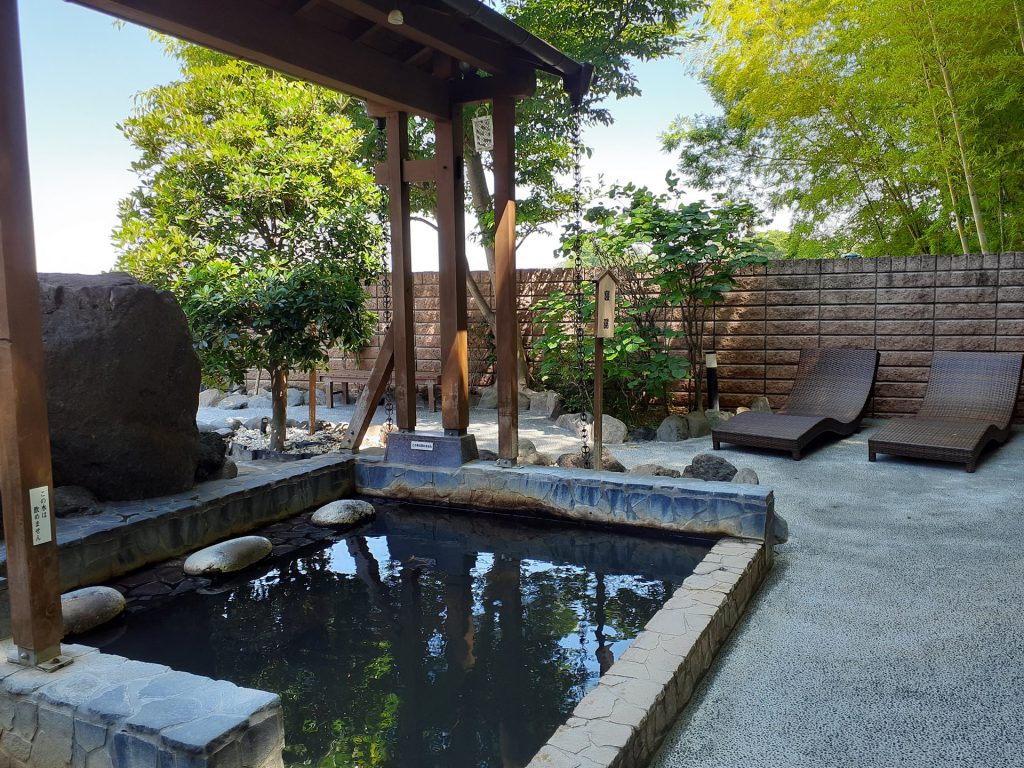
Stepping outside from the indoor bath area, you’re greeted by Seiganji Onsen’s biggest selling point: the outdoor open-air bath area.
Large and small rock baths are connected in the center, surrounded by “tsubo-yu” (pot baths), a cool-down zone with deck chairs, a circular “raw” source lukewarm bath, and a tatami-matted resting space. Finally, the “ne-yu” (lying down bath) is located past the partition at the very back.
Spreading out just beyond the lie-down bath is a tall bamboo grove stretching outside the property.
The bamboo grove can be seen from the entire open-air area, perfectly matching the aesthetic of the stone and wooden tubs. It’s just incredibly elegant… incredibly refined…
The area of the open-air section is quite large for a hot spring facility in Saitama, and because you can look up and see the sky from anywhere, the sense of openness is outstanding.
Above all, the presence of the bamboo grove makes the space magnificent, and perhaps because it’s far from the road, you can barely hear any outside noise.
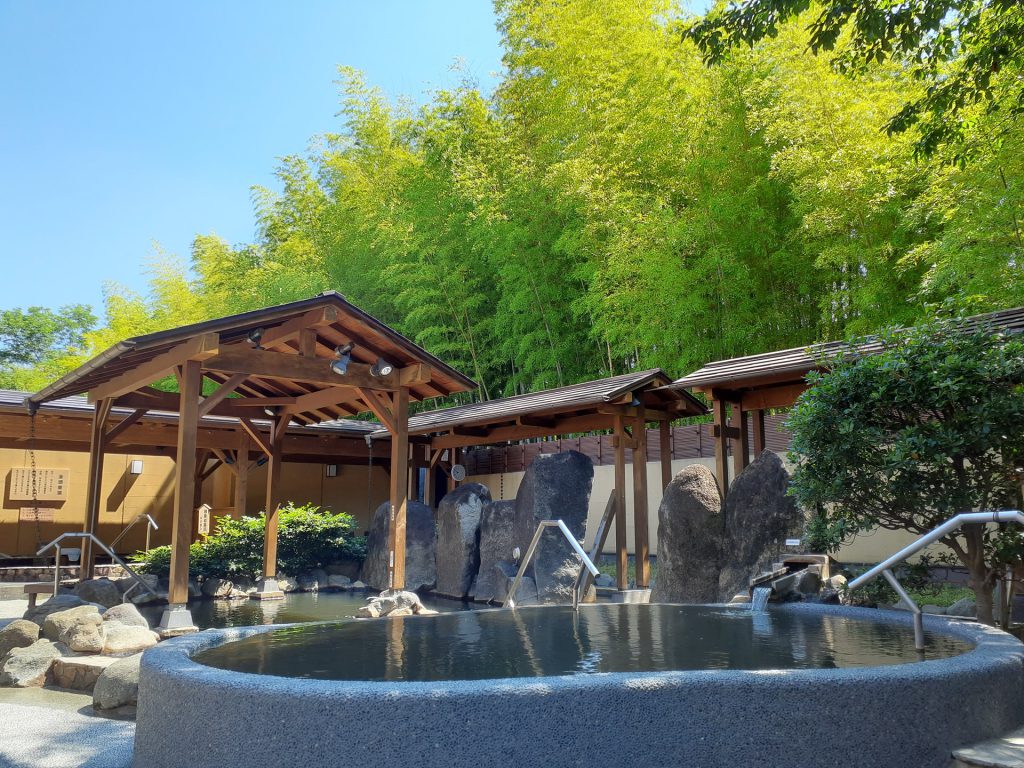
First up is the Gensen Atsu-yu (Hot Source Bath). It’s a circular tub connected to the rock bath.
At 42°C, it’s the hottest bath in Seiganji Onsen, but personally, it felt like a slightly hot but still comfortable temperature.
I’m not sure if it’s because the other tubs aren’t that hot or because Saitama citizens just don’t like hot water, but the hot bath didn’t seem very popular.
The fact that you can monopolize it anytime scores high points for me personally.
The water flowing out of the hot tub pours into the Onsen Iwa-buro (Hot Spring Rock Bath) right next to it. ▼
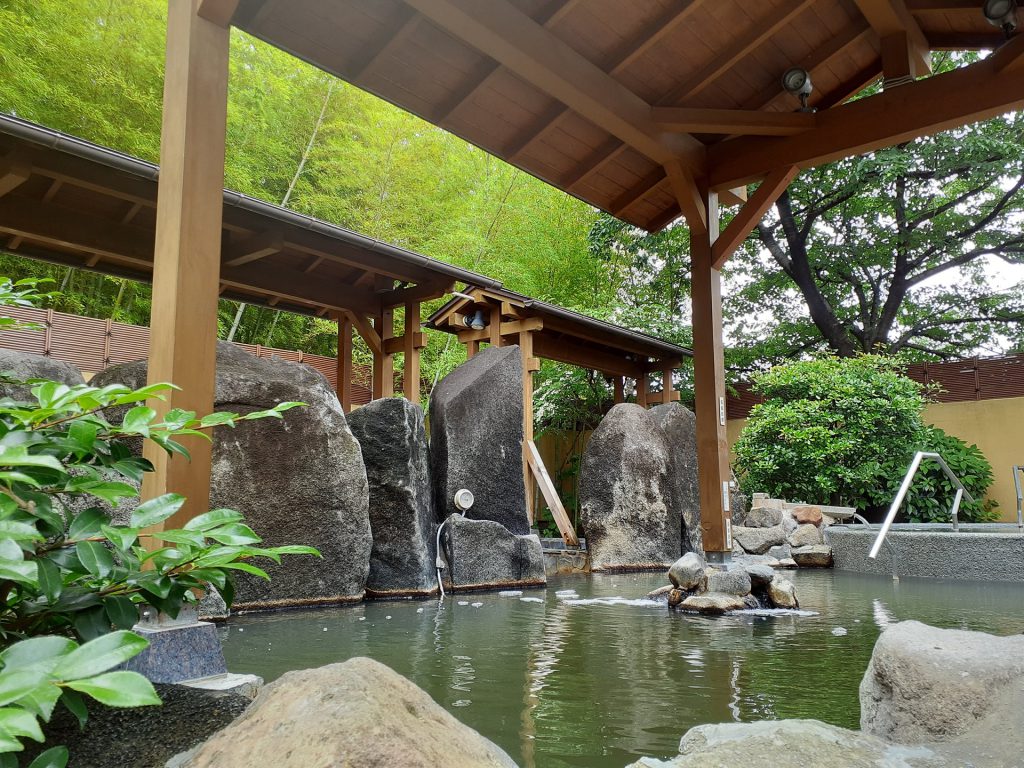
The hot spring rock bath is the largest tub in the open-air area.
At 41°C, it’s THE perfect temperature—neither too hot nor too lukewarm—and you can perfectly experience that “I’m relaxing in a hot spring” feeling.
The rock bath is quite solidly built, and the atmosphere is exquisite.
It has a somewhat unique shape with many recesses, making it hard to make eye contact with other guests even when it’s shared (if they calculated this in the design, I think they have serious taste).
The water in the rock bath is also practically natural, having only been heated, so there is absolutely no smell of disinfecting chlorine.
You can faintly sense the iron-like aroma unique to the springs here, and the smooth water texture that clings moistly to your skin is wonderful.
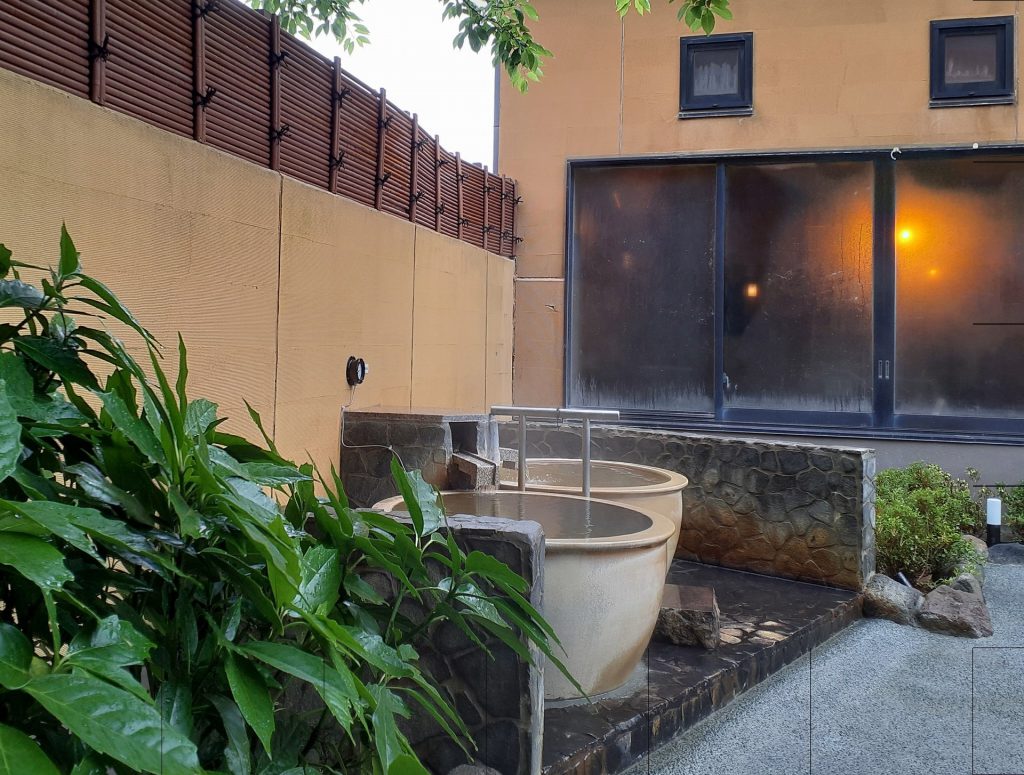
Next, set at the edge of the open-air area are two Tsubo-yu (Pot Baths).
These also feature free-flowing heated hot spring water. ▼
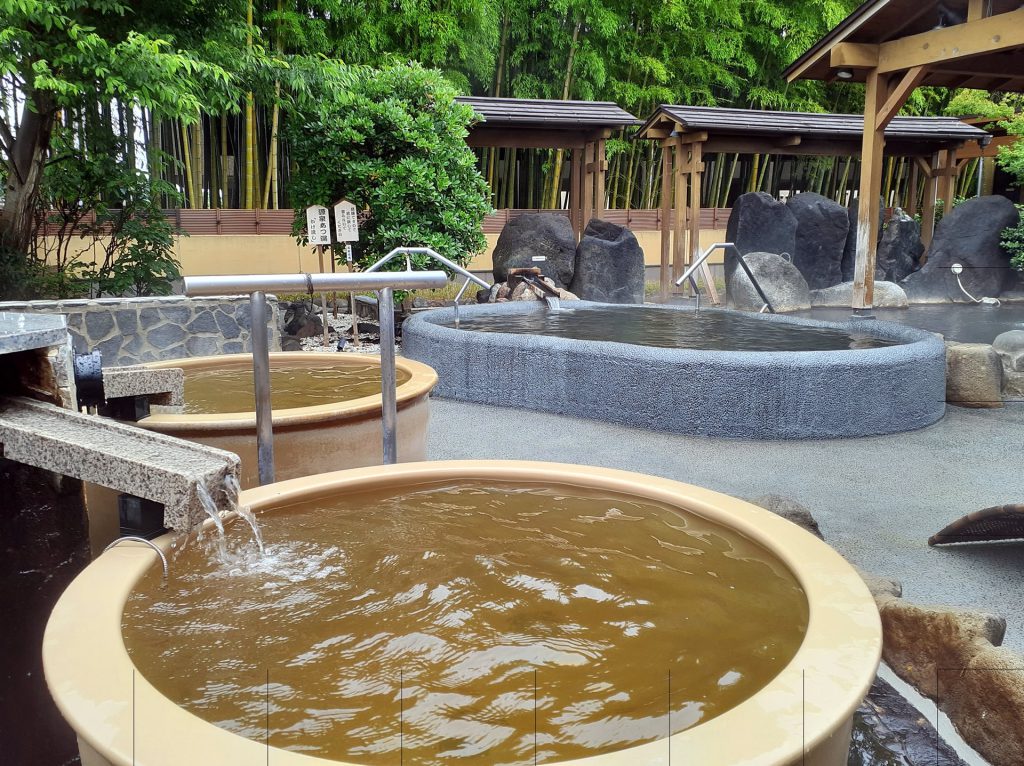
There are no partitions around the pot baths, and they are located where you can overlook the entire open-air area, so there’s no sense of privacy.
In exchange, you can simultaneously gaze at the emotional scenery of the entire open-air bath and the bamboo grove beyond it, creating an outstanding atmosphere.
The temperature of the pot baths is on the lukewarm side at about 39°C to 40°C, which is great because you can soak in them leisurely.
The fence right behind the pot baths in the men’s area is slightly lower, allowing you to look outside the building (don’t worry, you can’t be seen from the outside).
What’s curious is that even though Seiganji Onsen is a single-story building, the scenery viewed from the pot baths is located quite far below.
I assume this is because the land the building sits on is higher than the rest (now that I think about it, I did climb stairs from the parking lot to the entrance). This method of spatial design utilizing elevation differences seems akin to that of Japanese gardens.
Walking around the hot spring rock bath from the pot baths, you’ll find a spacious Ne-yu (Lie-down Bath) set up behind a fence. ▼
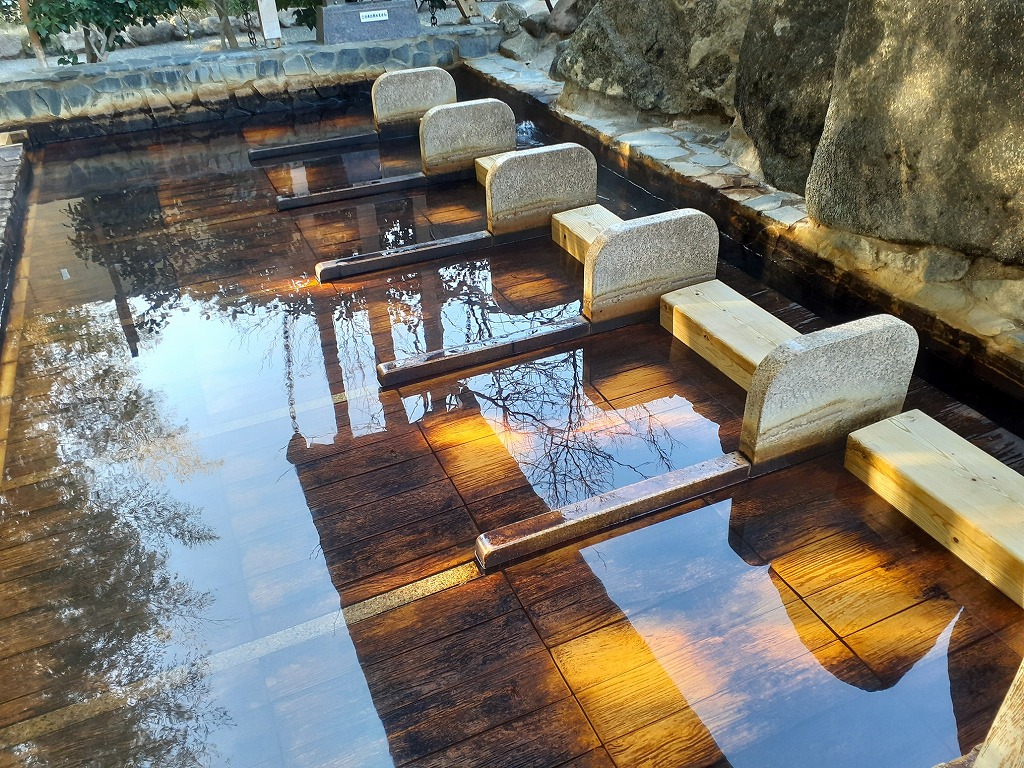
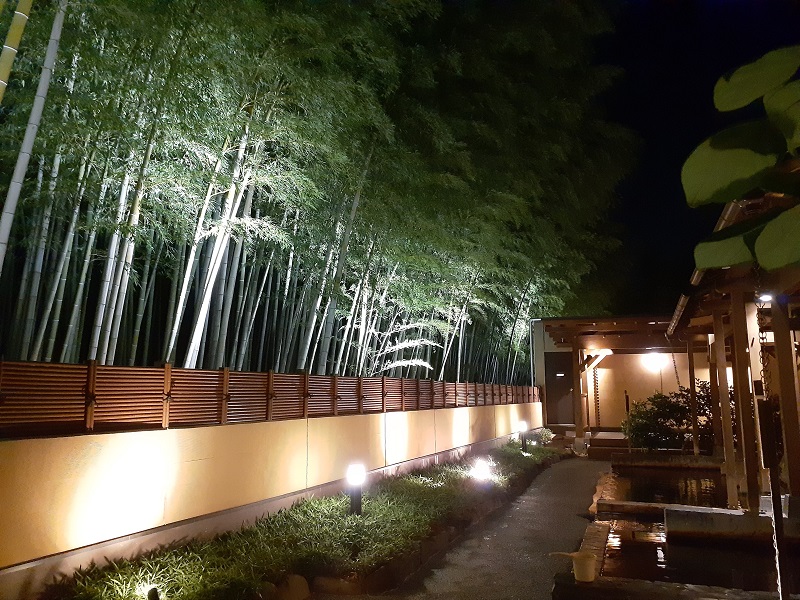
Actually, this lie-down bath is filled with water flowing out of the rock bath.
You dip your back in shallow water about 15 cm deep, allowing yourself to heal while idly gazing at the bamboo grove scenery unfolding right before your eyes.
What’s amazing about Seiganji Onsen’s lie-down bath is its brilliant placement.
Because it’s located at the very back of the open-air area and people rarely pass in front of it, you can truly stretch your wings without worrying about the eyes of others.
Furthermore, since people don’t pass by = there’s no need for privacy blinds like roofs or walls, the sense of openness is incredible; when you lie down, all you see are the sky and the bamboo grove. Wow, Seiganji Onsen’s sense of spatial design is just too amazing…
I’d already be 150% satisfied at this point, but there’s one last tub we can’t forget.
That is the Nama-Gensen Nuruyu (“Raw” Source Lukewarm Bath), where you can enjoy free-flowing hot spring water that hasn’t been heated, watered down, circulated, or disinfected.
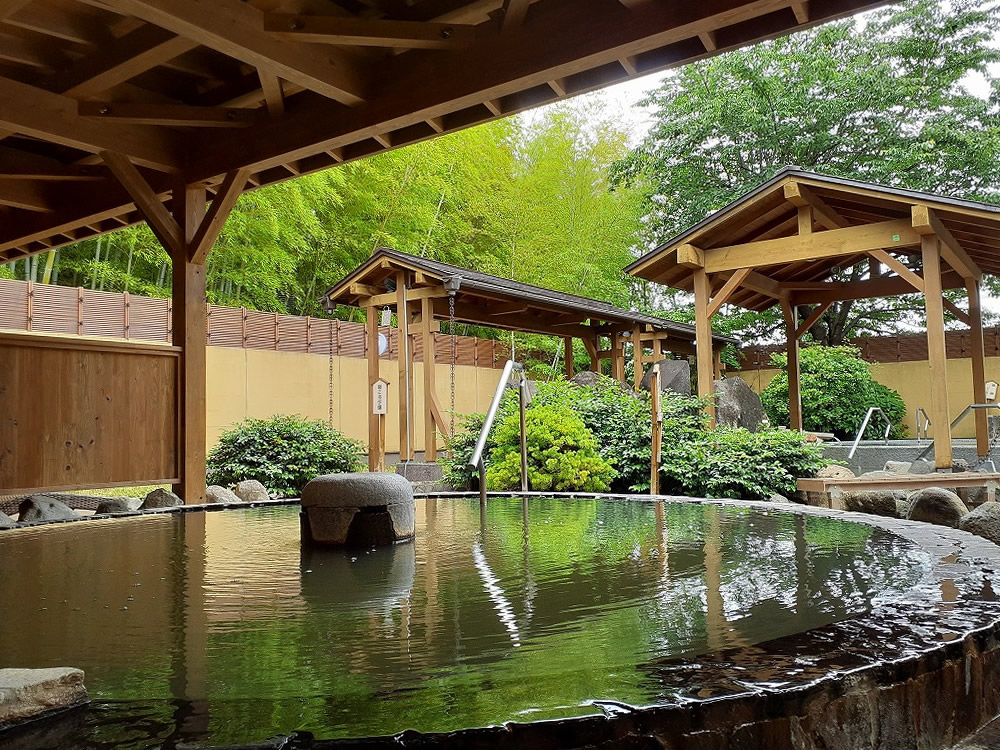
The lukewarm bath is situated in a space halfway covered by a roof.
The circular stone tub isn’t very deep, and it seems the style is to lie back with your feet pointing towards the center. The capacity is probably around 8 people.
The temperature of the lukewarm bath is 37.5°C, letting you experience the hot spring exactly as it gushes from underground.
It feels quite lukewarm at first, but after soaking for a few minutes, you’ll realize the brilliance of this bath… it’s such a perfect temperature that you could stay in it forever.
A water temperature of 37.5°C is exquisite beyond exquisite, allowing you to bathe without placing any burden on your body.
Once you enter, it’s game over. You’ll succumb to the addictive thought, “I want to do this for the rest of my life…” (It seems everyone thinks the same thing; people soak for a long time, so the only drawback might be that spaces rarely open up).
Not just the temperature, but the water quality of Seiganji Onsen’s raw source bath is exceptionally good.
You can feel on your skin that the hot spring components are richer compared to the other tubs, and the bubbles created on your skin by the natural carbonic acid gas contained in the spring seem good for the body too.
While it doesn’t exactly warm you to your core, the smooth texture of the water soaking gently into your skin is quite something.
After getting out, you’ll definitely feel that your skin is moist and hydrated.
Bright with Flawless Openness! The Indoor Bath Area
The main attraction at Seiganji Onsen is the open-air area, but the indoor bath area matches it in quality.
Thanks to the large windows facing the outdoors, the high-ceilinged space is bright and full of openness. It features a clean layout where half is the shower corner, and the other half houses the various tubs, the high-temperature sauna, and the cold water bath.
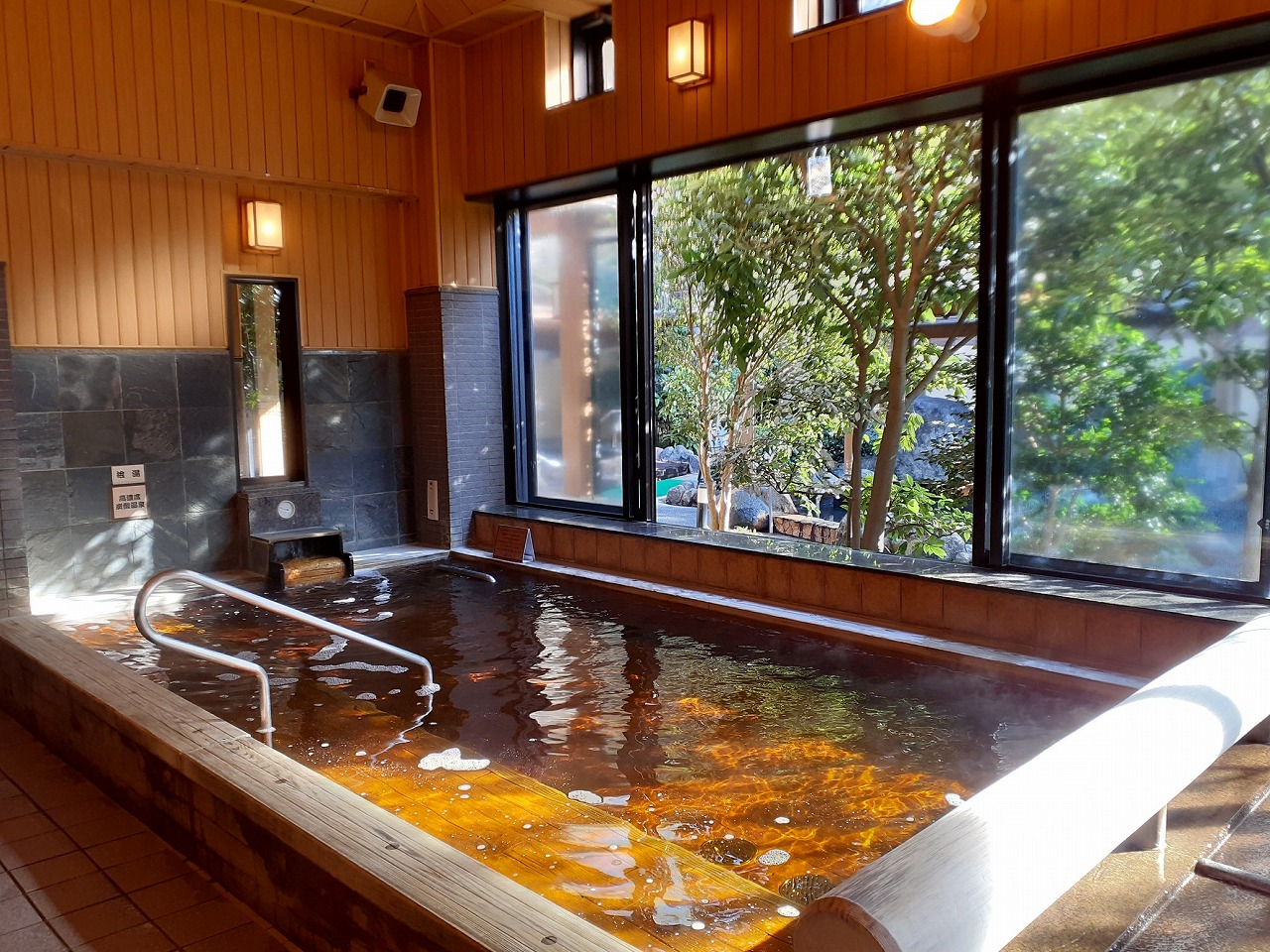
▲ The main tub in the indoor area is the 38°C Onsen Tansan Hinoki-buro (Hot Spring Carbonated Cypress Bath).
It blends hot spring water and high-concentration carbonation inside a spacious tub made entirely of cypress wood—a rare type of tub for this kind of day-trip hot spring facility.
The 38°C temperature is the absolute pinnacle of comfort. It’s lukewarm, letting you soak slowly in pure paradise.
The density of the carbonation is flawless too; the bubbles clinging to your skin gradually warm up your body.
Carbonated baths are hugely popular at any hot spring facility, but a nice perk at Seiganji Onsen is that it doesn’t get that crowded (probably because the open-air area is too amazing and draws everyone out there?).
The natural scent unique to cypress wood mingles with the aroma of the hot spring, allowing you to relax from the bottom of your heart.
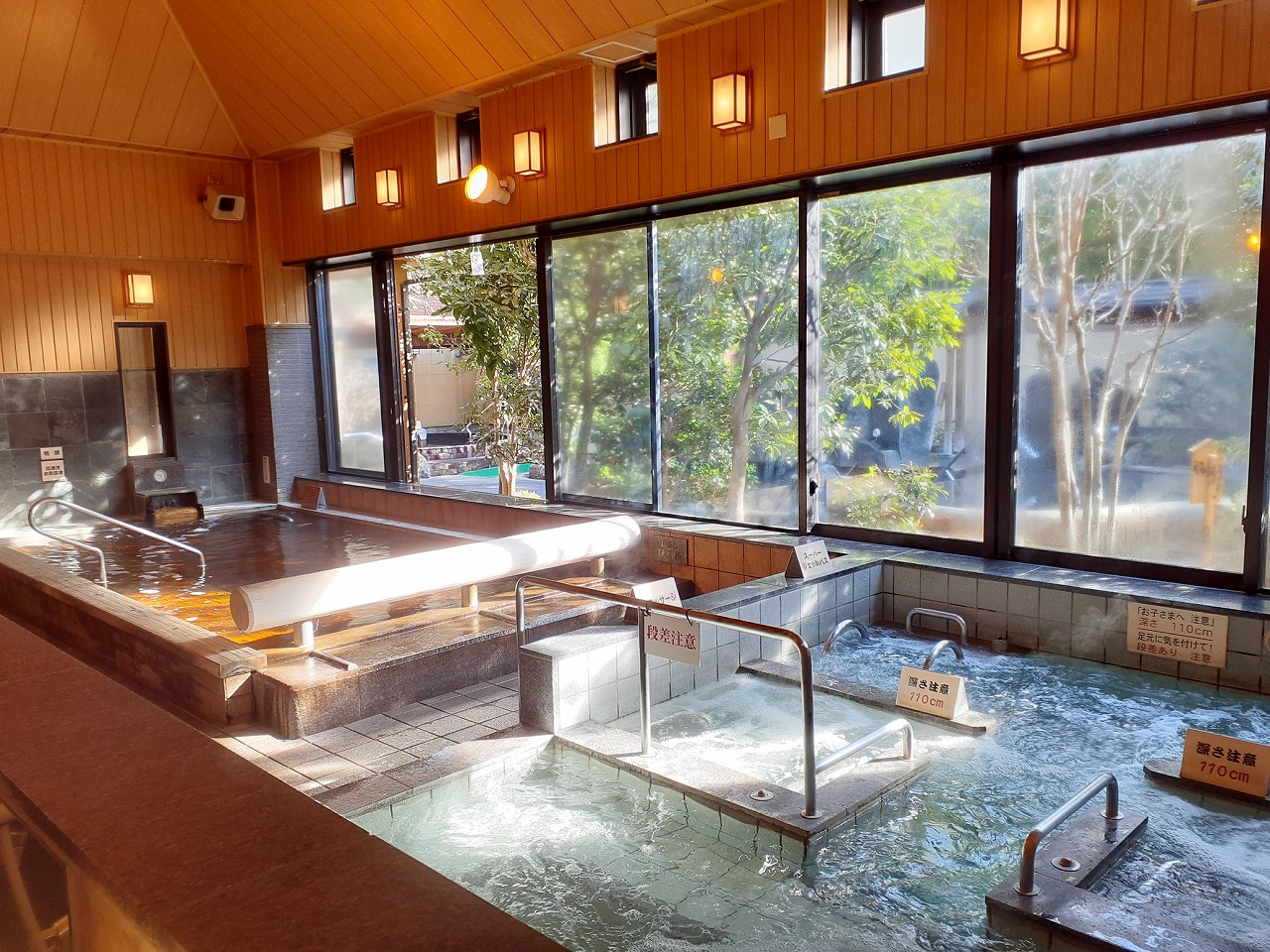
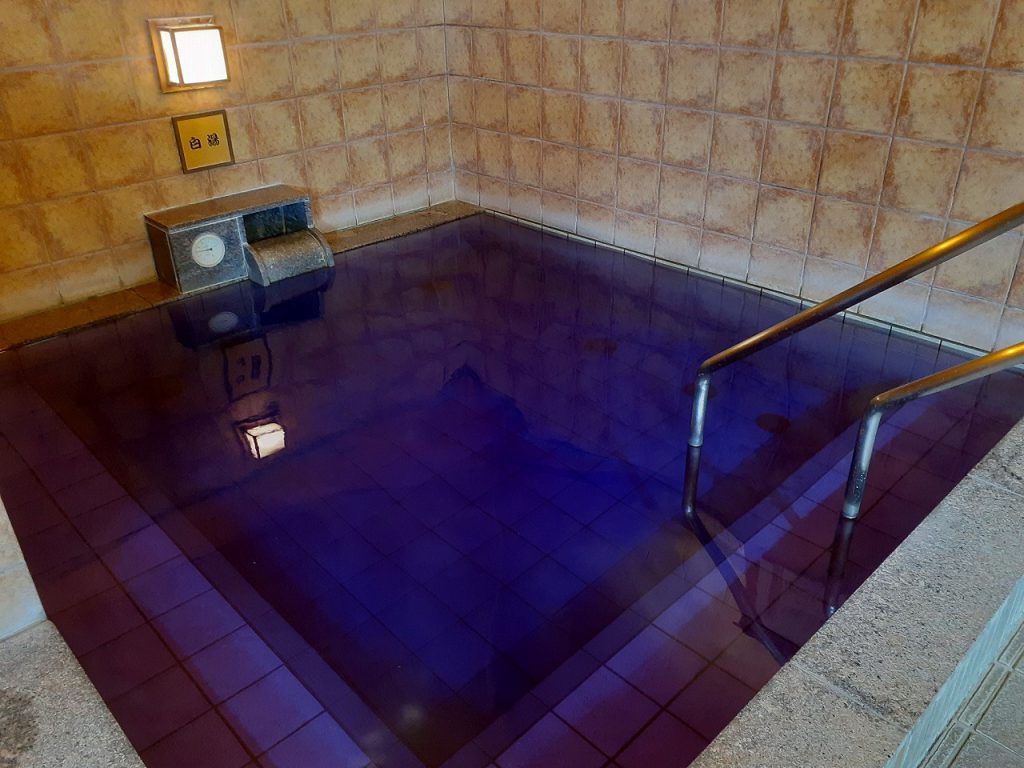
The indoor area features two other tubs: an attraction bath and a seasonal bath. These use heated well water instead of hot spring water.
Enveloped in bubbling foam, the Attraction Bath has 8 seats of slightly different varieties, such as an esthe-bath and a jet bath.
The power of the jets is modest on all of them, which might leave thrill-seekers a bit unsatisfied (personally, I like jet baths with a water current so strong it feels like you’ll be washed away).
Also, the small square tub serves as a 39°C Kawari-yu (Seasonal Bath), offering different types of water depending on the season.
When I visited, it was a “Shine Muscat Scented Bath.” While it certainly was a muscat-like light green, there was no scent. It was a tub whose reason for existence was a bit of a mystery.
About half the floor space of the indoor bath is dedicated to a shower area with about 30 stations. They use the common lever-style system where water flows for about 10 seconds before stopping automatically.
The water pressure is perfectly fine, but it’s a slight letdown that there are no partitions between neighboring showers.
Sauna Lovers Will Be Thrilled! The Sauna and Cold Bath

A High-Temperature Sauna is installed in the indoor bath area, and it’s the only sauna at Seiganji Onsen.
The hot springs alone are fantastic, but Seiganji Onsen leaves no stone unturned with the high quality of its sauna too.
The sauna room is a super spacious area capable of fitting 45 people, and the room temperature hits an unquestionable heat of 78°C on the bottom tier and 88°C on the top tier.
Perhaps because there are two heaters evenly warming the room, or because the entrance features double doors designed to trap the heat, it feels even hotter than the thermometer suggests.
The self-löyly (the thing where you pour water on heated stones at regular intervals to create steam), which is commonly seen in saunas these days, isn’t present at Seiganji Onsen’s sauna. It’s also not a style where individuals bring their own sauna mats; instead, you sit directly on mats laid out on the floor.
That being said, the mats seem to be swapped out frequently, so cleanliness wasn’t an issue at all. I didn’t mind the smell in the slightest either.
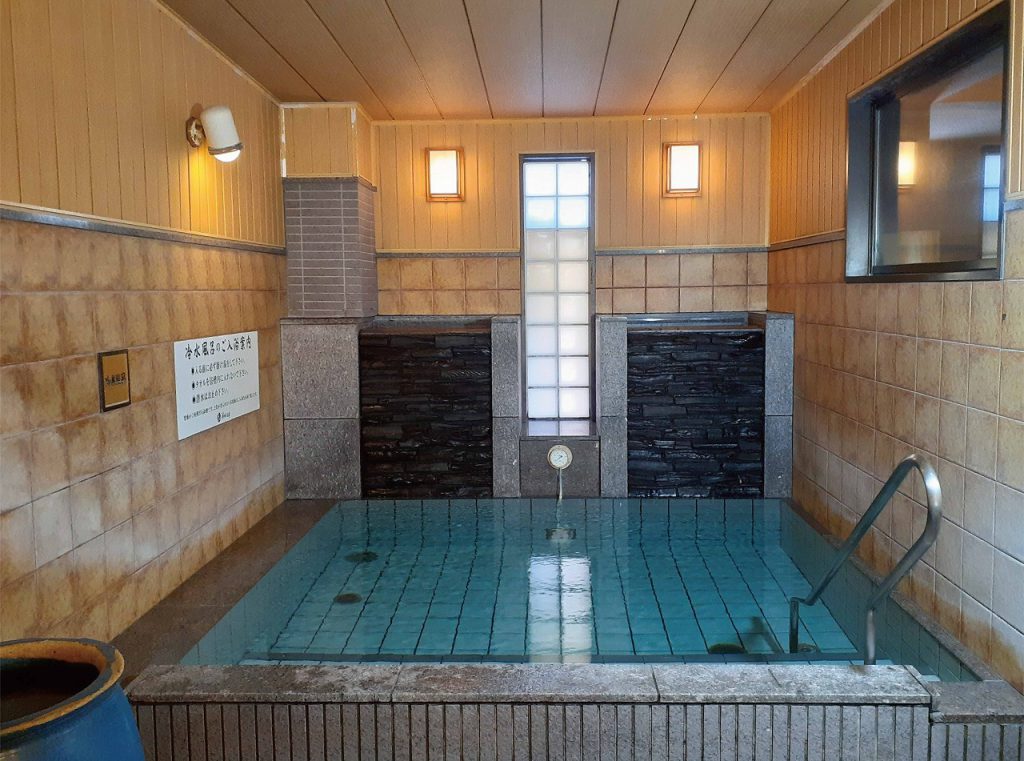
Right outside the sauna, there is a relatively large Cold Bath that can easily fit about 6 people, with a water temperature of 16°C, which is an average level of coldness.
It’s wonderful that ice-cold drinking water is available right in front of the cold bath.
A perfect flow that lets you go from sauna -> cold bath -> drinking water without having to walk all over the place.
“Wow, they really know what they’re doing…” I was once again impressed by Seiganji Onsen’s cleverness.
Other Facilities (Relaxation Spaces | Dining Areas, etc.)
After enjoying the hot springs to your heart’s content, it’s time to relax however you please—be it eating or taking a nap. From here, let’s take a look at Saitama Seiganji Onsen’s facilities outside the bathing area!
Three Relaxation Spaces
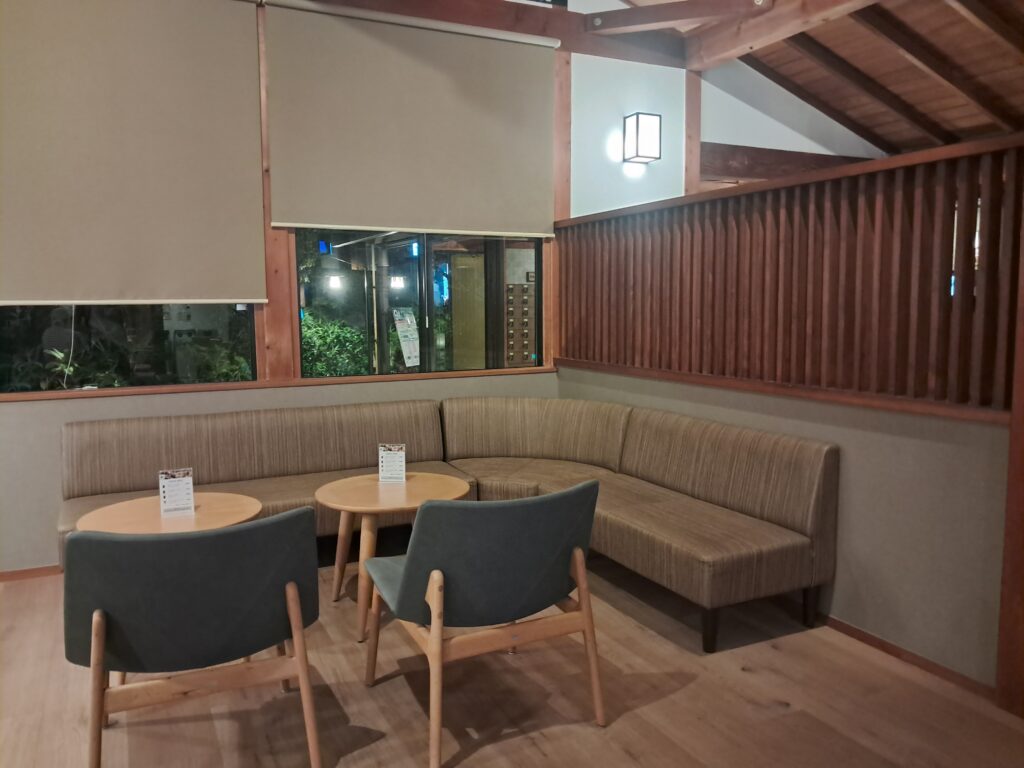
Another wonderful thing about Saitama Seiganji Onsen is that spaces besides the baths and dining areas are kept quite spacious.
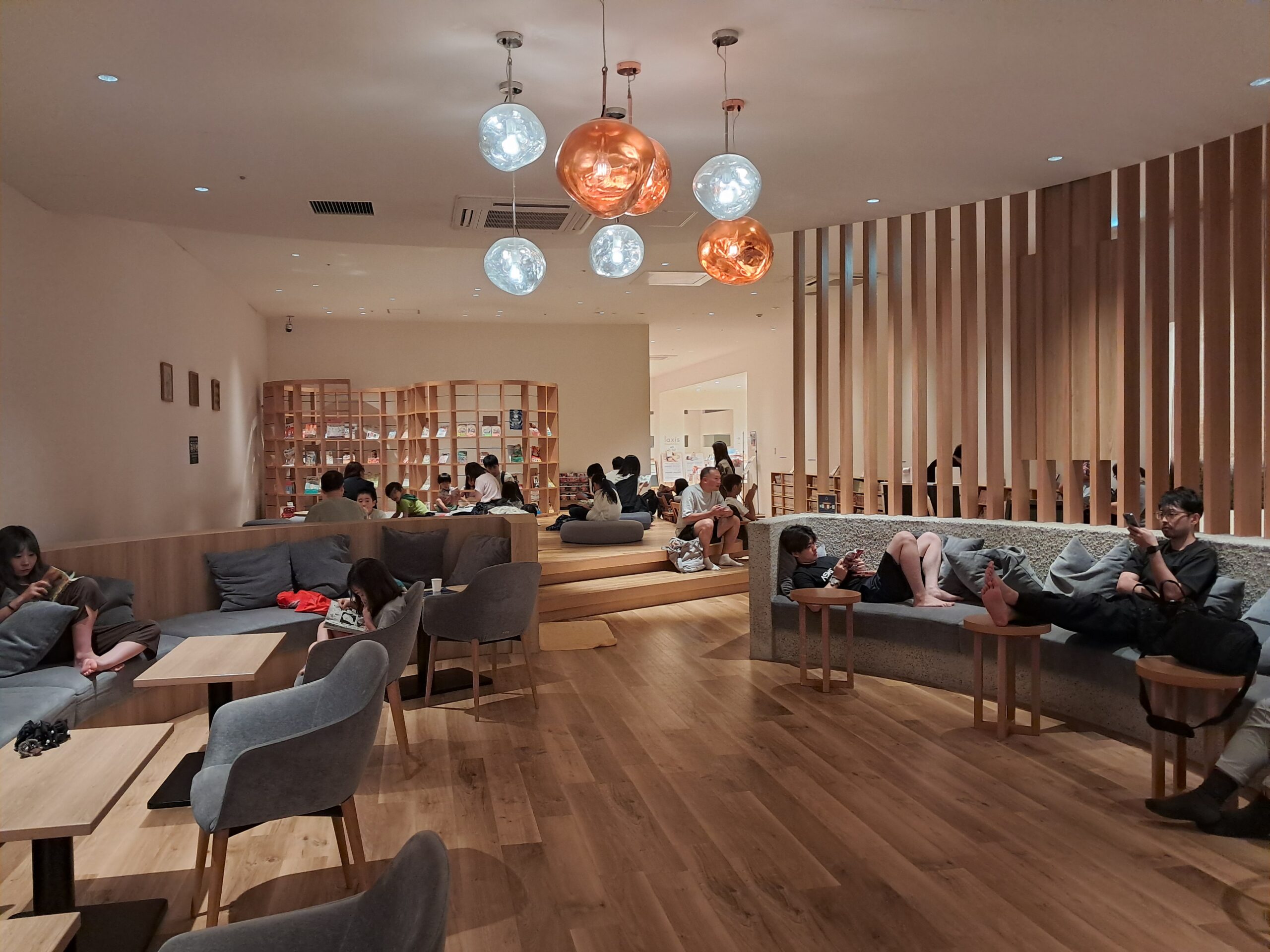
The Relaxation Spaces for unwinding after your bath are spread across three areas with different concepts—a cafe style, a co-working style, and a napping spot—so you can rest leisurely without feeling crowded.
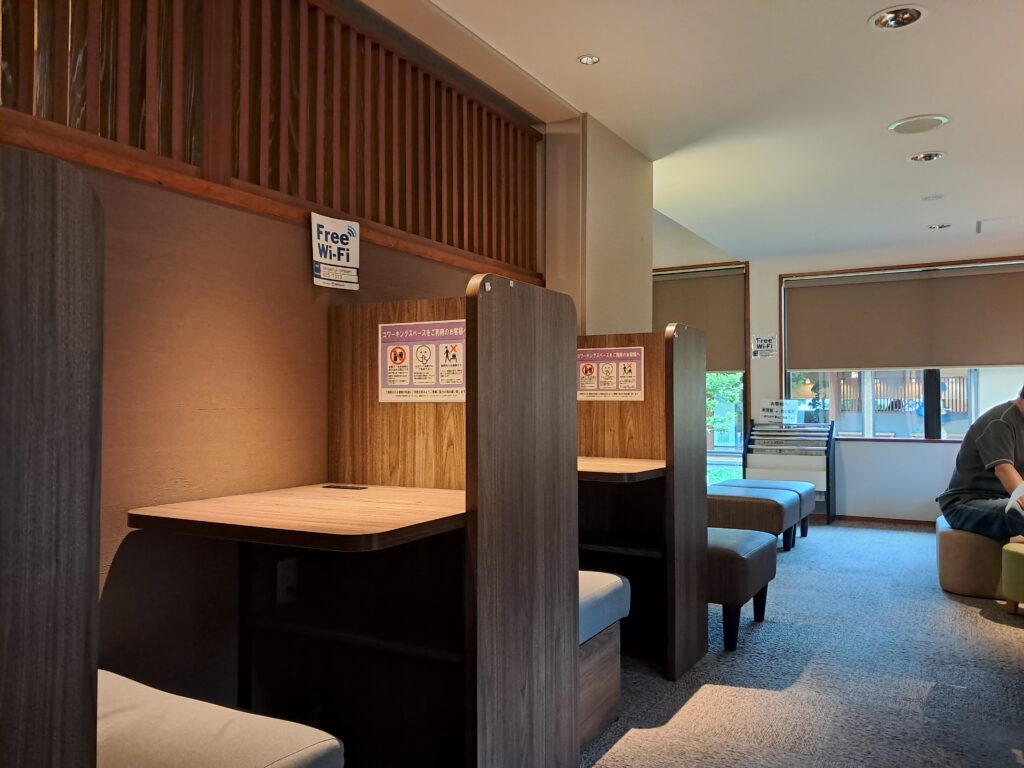
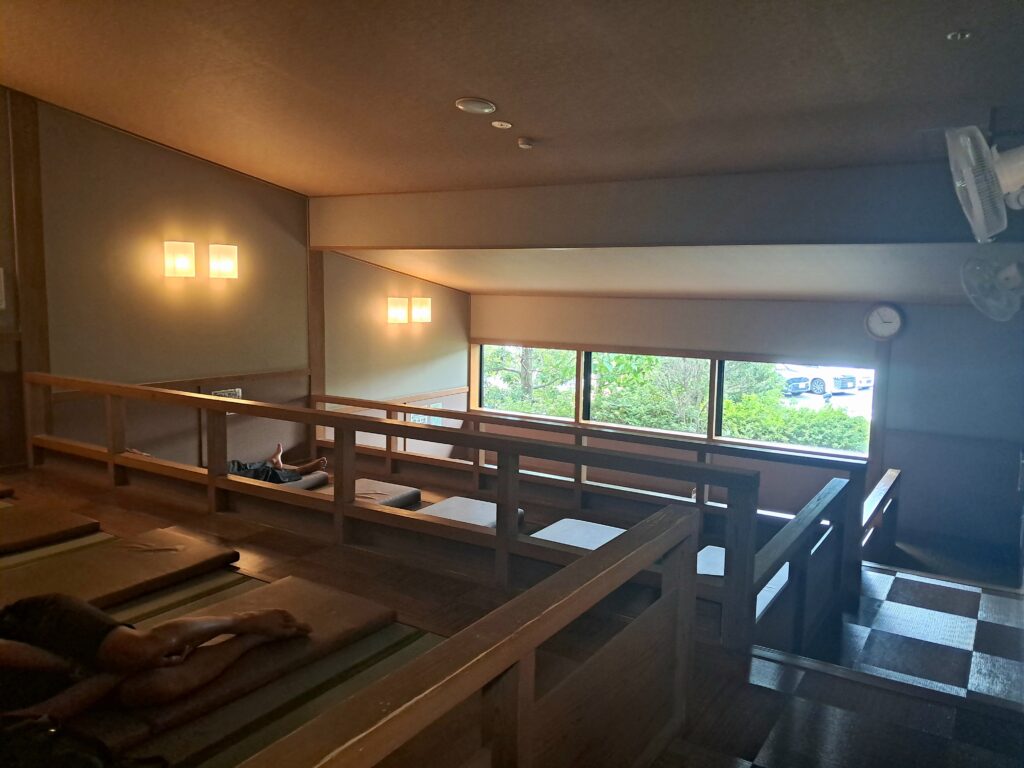
Large windows are installed in every relaxation space, completely eliminating any cramped feeling.
Every corner is meticulously cleaned, and the atmosphere in every space is fantastic.
What I found interesting was the co-working style space, which is rarely seen in these day-trip hot spring facilities.
There are about 6 partitioned tables set up, and all of them are fully equipped with power outlets for charging—it’s top-notch service.
I initially thought, “Are there actually people who come all the way here to work…?” but I did spot some students spreading out reference books and studying.
The space is quite quiet, so maybe visiting Seiganji Onsen for a workation (“Heal in the bath -> Work or Study -> Rest in the bath -> Back to work…”) is a viable option?
Cheap and Delicious! A Vibrant, Exquisite Restaurant
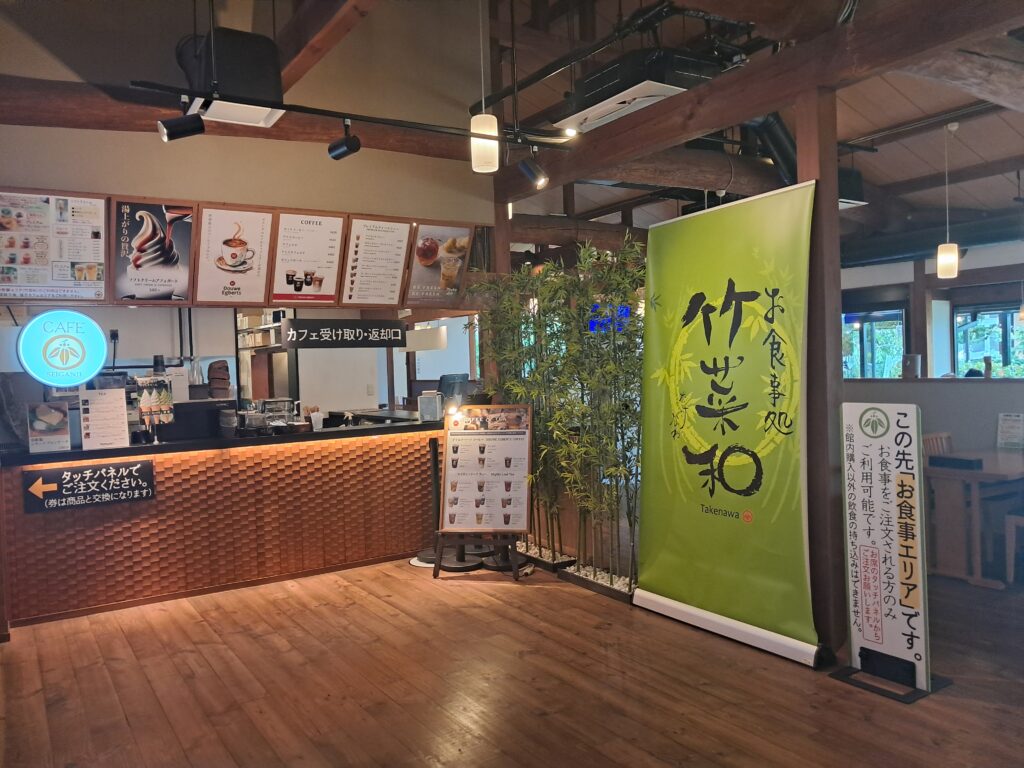
When it comes to the joy of eating post-bath, Seiganji Onsen cuts absolutely no corners.
Inside, there is a cafe focused on sweets and drinks, and a Restaurant focused on meal menus, and both are of quite high quality.
The restaurant’s system is especially revolutionary. You select from the menu on a tablet set up at each table, place your order by touching your payment wristband (aka shoe locker key) directly to the tablet, and then go pick up the food yourself when a notification pops up—it’s a self-service style. The march of technology is amazing…
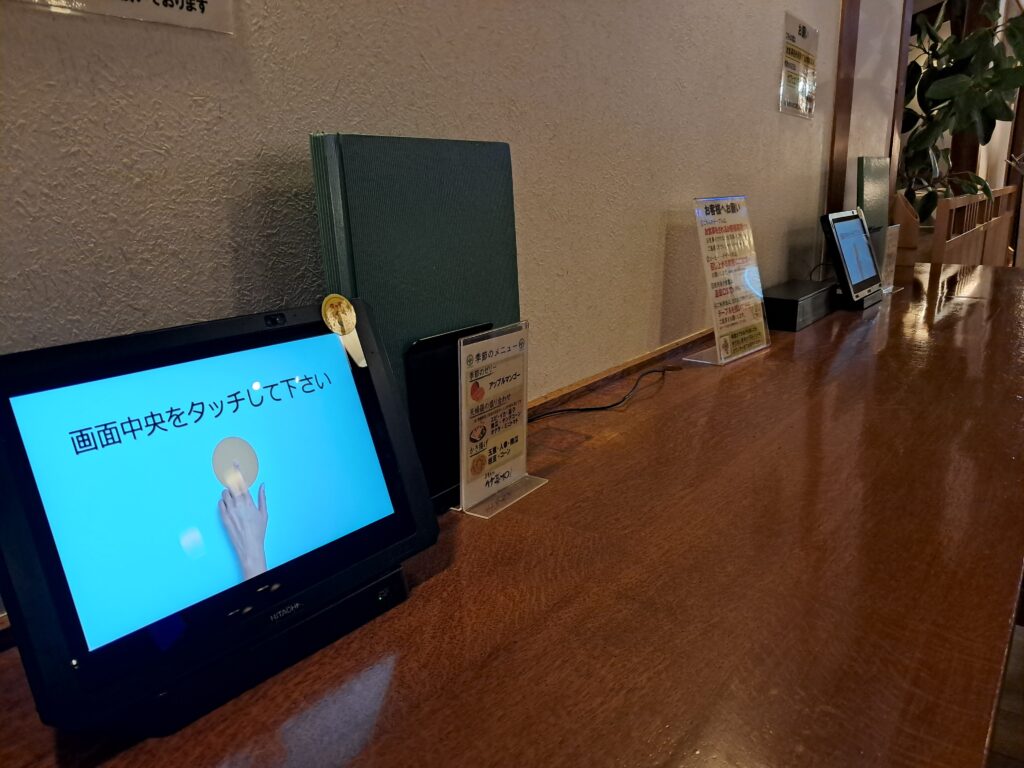
While the system is high-tech, the shop’s interior design and atmosphere maintain Seiganji Onsen’s traditional Japanese style.
Despite being a self-service restaurant, the staff cheerfully and politely greet you with “Irasshaimase!” (Welcome!) and “Arigatou gozaimasu!” (Thank you!), leaving a great impression.
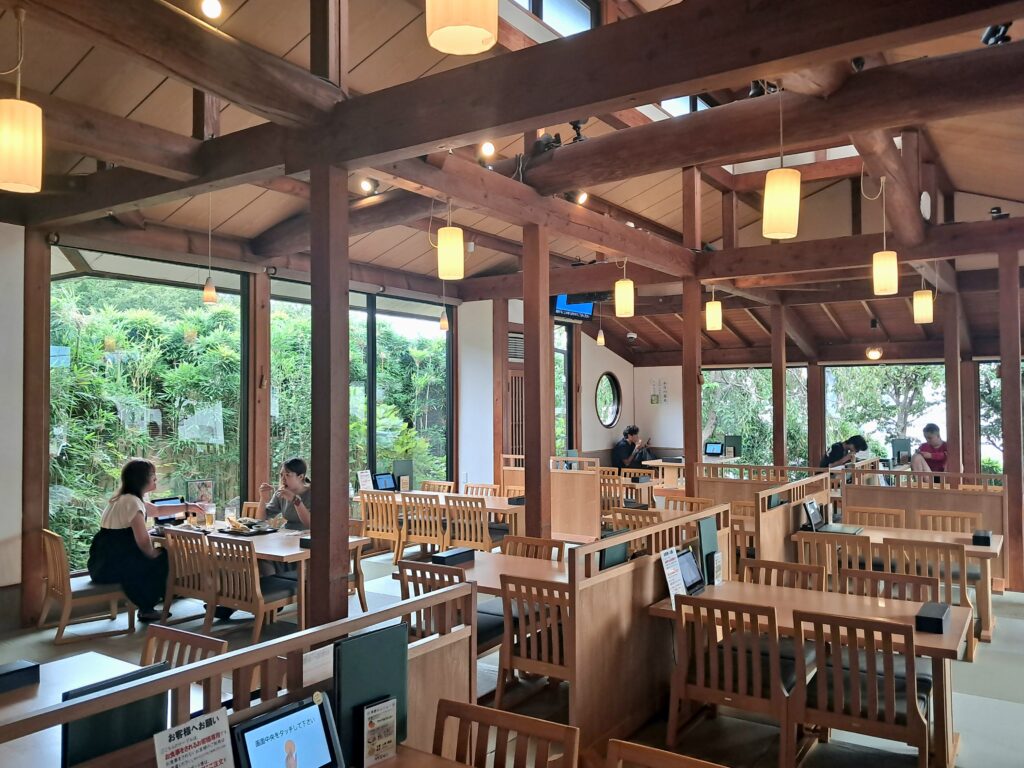
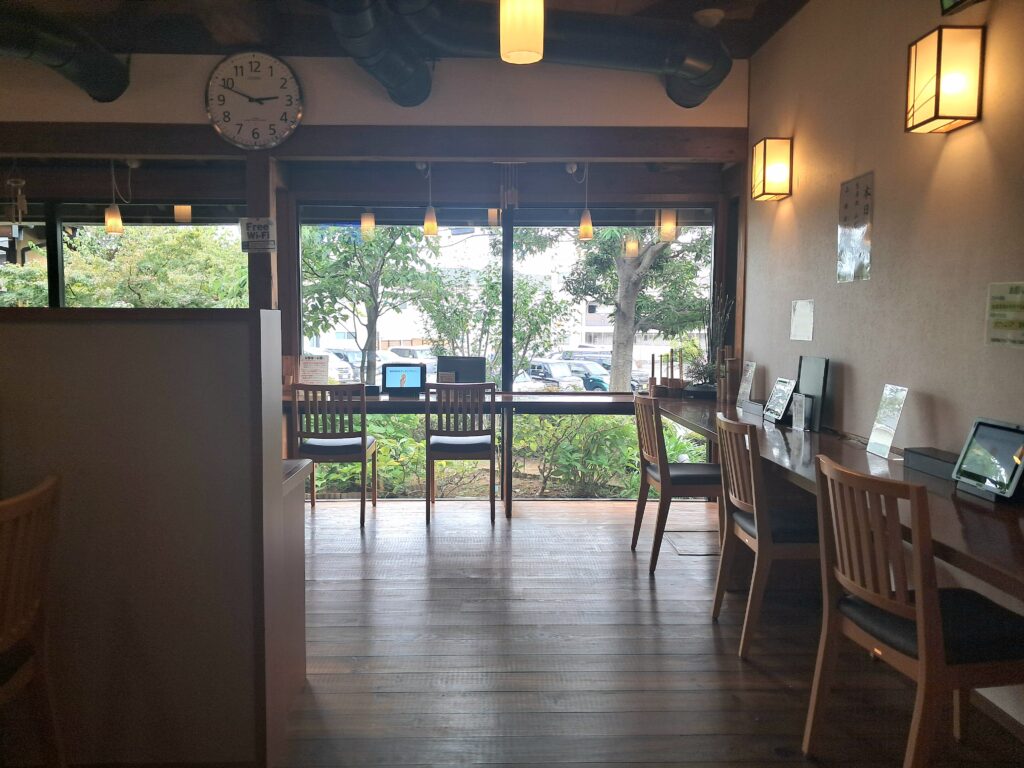
Large windows inside the restaurant follow the common style across Seiganji Onsen.
Both the natural light streaming in and the green scenery outside perfectly match the wood-based interior.
While the restaurant primarily features tables and tatami seating for groups, it’s wonderful that the counter seating for solo guests is also extensive.
Perhaps because there are many solo visitors, Seiganji Onsen has really thoroughly considered designs and facilities for those coming alone… I was struck with admiration once again here.
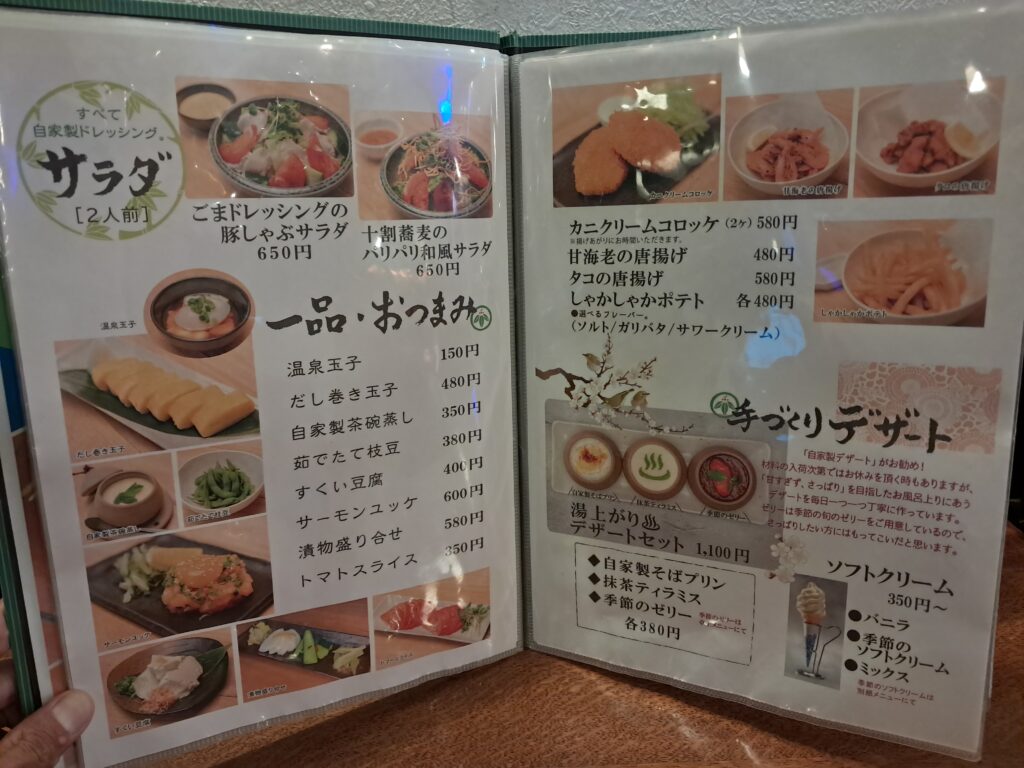
The restaurant’s menu is comprehensive, featuring day-trip hot spring staples like noodles, as well as set meals and appetizers.
There are many unique dishes you don’t often see at other facilities, and what’s most surprising of all is the highly reasonable pricing. ▼
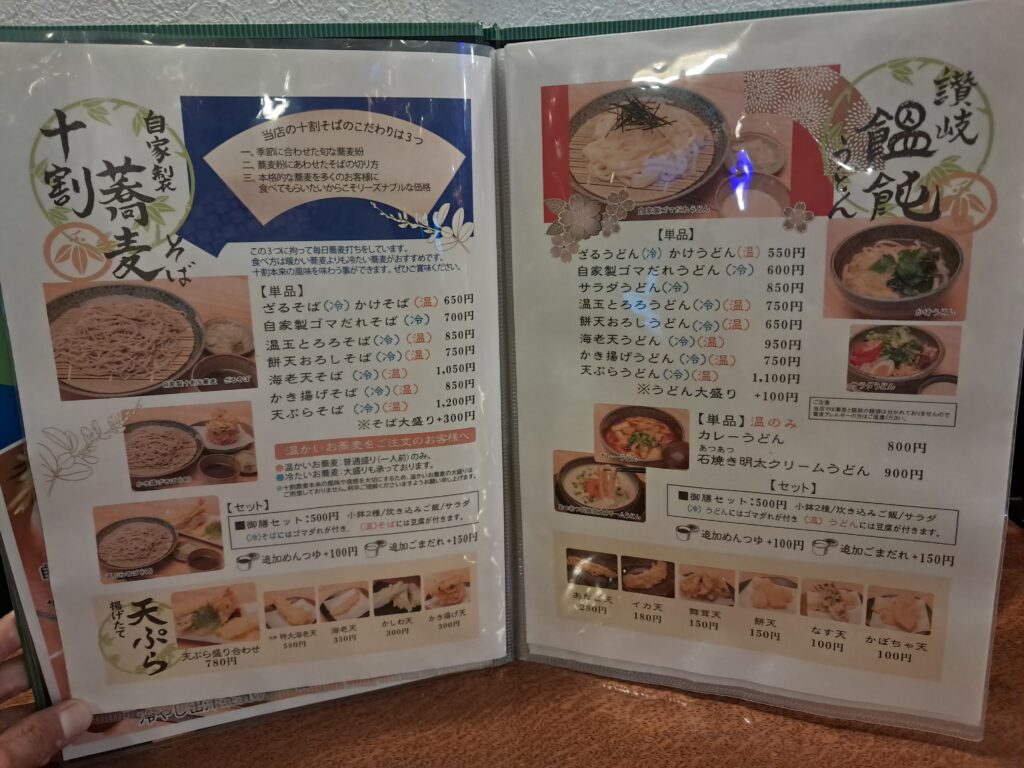
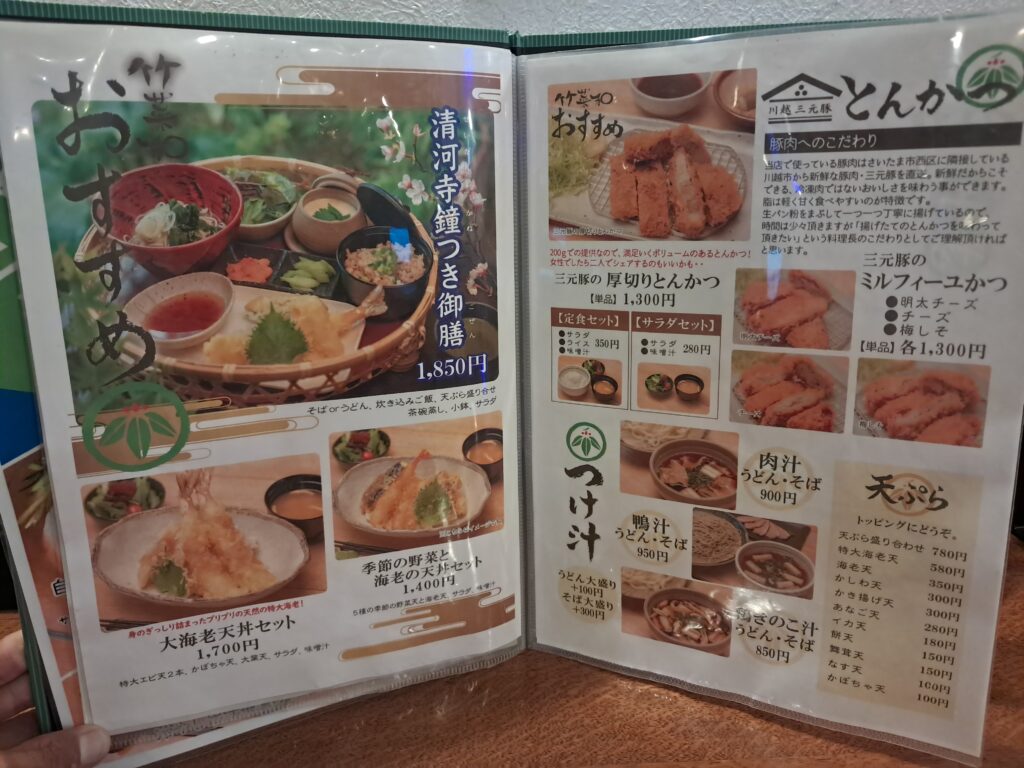
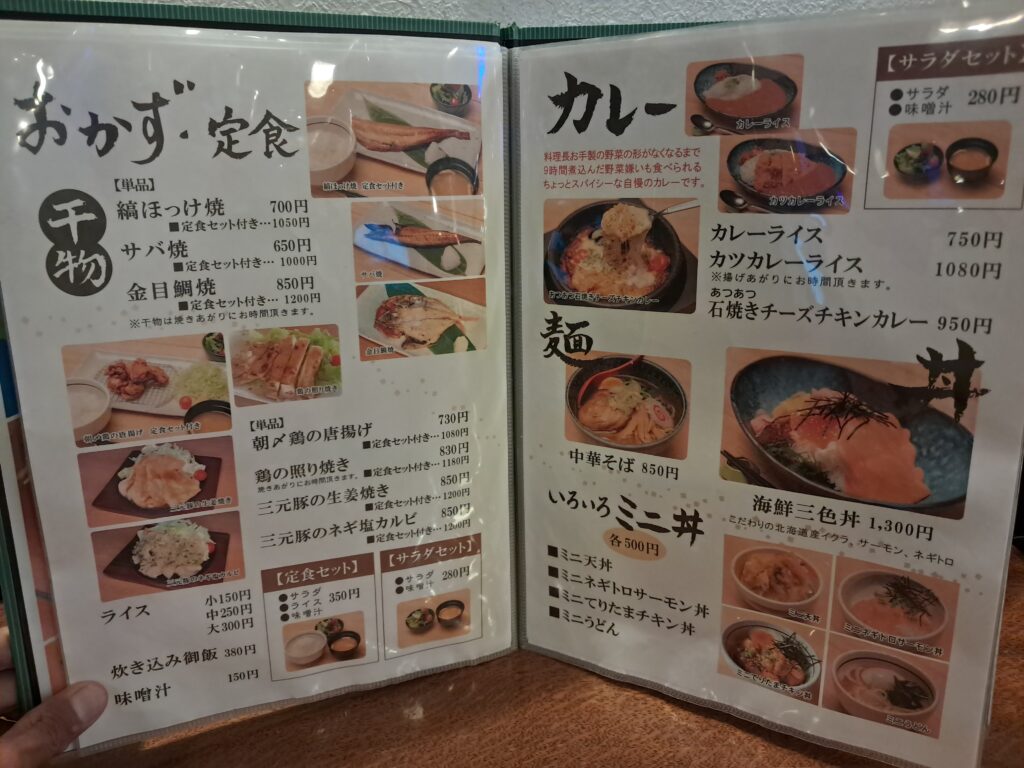
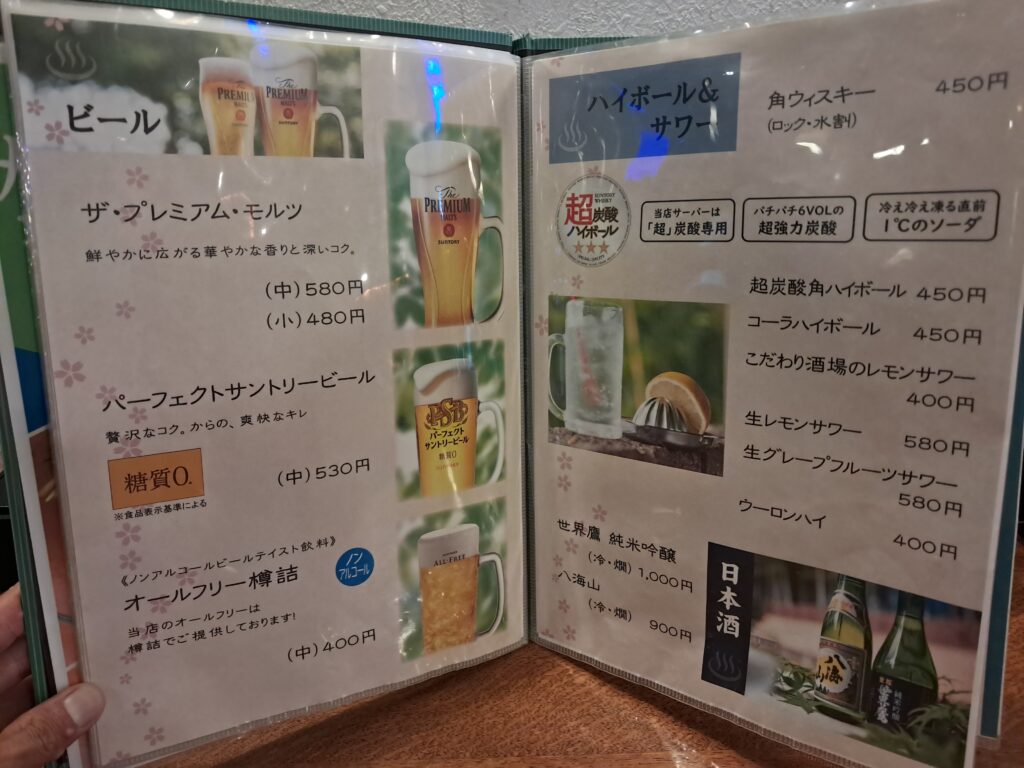
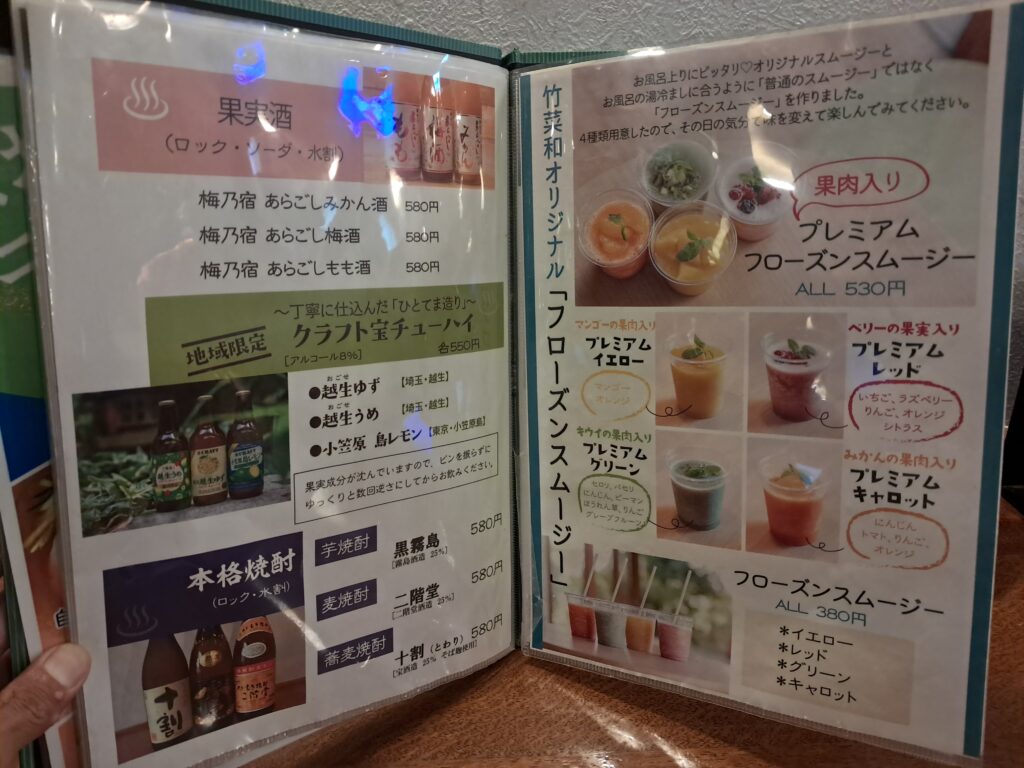
It seems the top recommendation at Seiganji Onsen’s restaurant is their pork dishes.
They heavily promote tonkatsu made from Sangen pork delivered fresh every morning from neighboring Kawagoe City. You can catch glimpses of their attitude: “We are absolutely confident in our pork!”
And so, what I, Nobuyo, ordered was the “Pork Kalbi with Green Onion and Salt.”
Served sizzling on a piping hot iron plate, the pork releases an overwhelming, savory aroma of green onion and salt sauce.
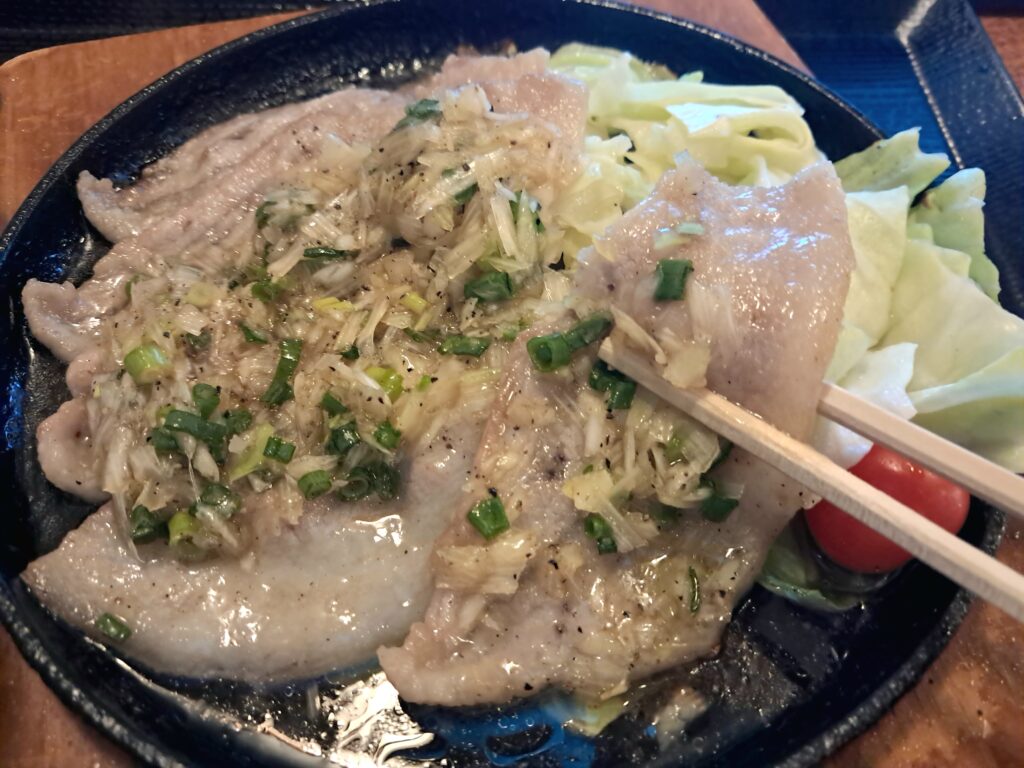
Honestly… what in the world is this… It is so insanely delicious…!!!!!
There was no way it could fail given it’s Pork x Green Onion Salt Sauce to begin with, but man, the pork is so thick and the fat is so rich…
The slightly strong seasoning of the sauce perfectly enhances the flavor of the pork, making it ideal for after a bath. It makes you crave alcohol incredibly badly…
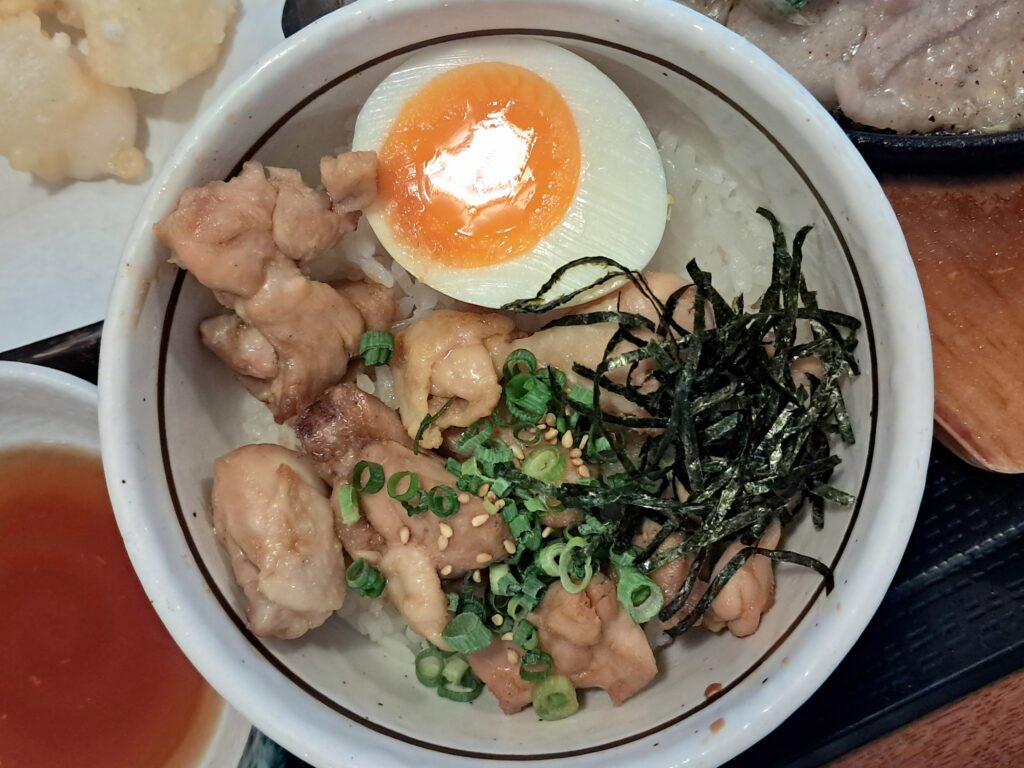
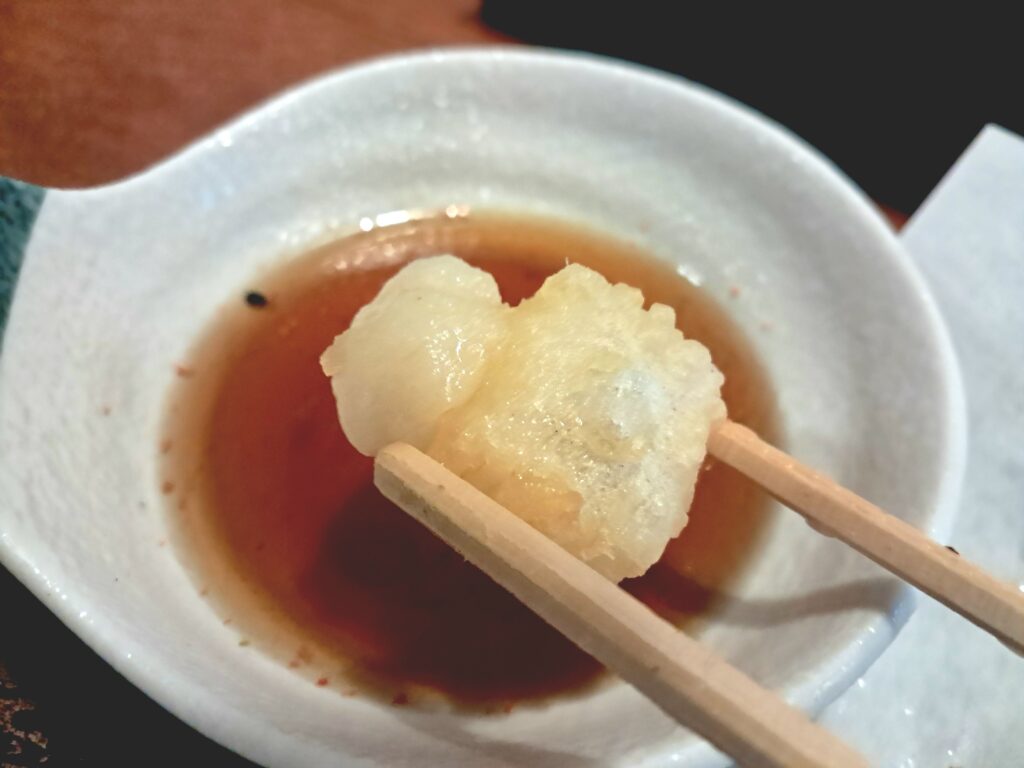
The other dishes I ordered were also of a very high level overall.
Unique menu items like the “Mochi Tempura,” offering a new texture that is crispy on the outside and chewy on the inside, are also highly recommended.
Being able to eat a meal of this quality at such a reasonable price point inside a day-trip hot spring facility is truly a Saitama Miracle.
Seiganji Onsen is so genuinely flawless that it actually makes me want to hunt down a weakness…
Summary: Overall Rating & Recommended Surrounding Sightseeing Plans
Overall Rating of Saitama Seiganji Onsen
And with that, I’ve delivered a detailed report on all sorts of aspects of Saitama Seiganji Onsen.
As a final wrap-up, I’m going to score the hot spring completely subjectively on every front, covering everything from water quality to facility completeness!
・Access: 7/10
・Emptiness/Uncrowdedness: 6/10
・Staff: 10/10
・Bath Spaciousness & Openness: 9/10
・Cleanliness: 10/10
・Spring Water Quality: 9/10
・Bath Variety: 9/10
・Sauna: 9/10
・Dressing Room Amenities & Supplies: 10/10
・System Convenience: 10/10
・Clientele Quality: 10/10
・Atmosphere: 9/10
・Food: 10/10
・Relaxation Spaces: 8/10
・Cost Performance: 10/10
・Overall: 9.0/10
Whoa…!! We’ve finally hit the 9-point range…!
Needless to say, out of all the day-trip hot spring facilities I’ve visited in Saitama Prefecture so far, it is by far and away No. 1!
Despite a very reasonable admission fee, the quality is in its ultimate, perfect form in every regard: water quality, atmosphere, facilities, food, and more.
Not only the hard aspects but the soft aspects are incredible too. From the meticulously cleaned spaces in every corner to the polite and amiable service from the staff, it basically has zero flaws. No matter how nice the interior is or how amazing the spring water is, poor soft aspects like staff attitude can really kill the mood, you know…
If I had to play the mean mother-in-law and force myself to find a flaw, it would probably just be that access is slightly inconvenient and that weekends are undoubtedly guaranteed to be crowded.
If only they would operate a free shuttle bus to Omiya Station, I would pledge my loyalty to Seiganji Onsen for the rest of my life…!!!
It makes perfect sense that Saitama Seiganji Onsen is a popular facility. Being able to buy an exquisite time in this premium space for just ¥900 (and with no time limit, so you can stay as long as you want) is practically a bug in capitalism at this point.
To the city folks paying thousands of yen at a cramped Tokyo building spa, soaking happily in plain water with no open-air area… seriously, just trust me and come to Saitama. It will fundamentally overturn your concept of “healing.”
I wholeheartedly recommend it to anyone who wants to forget the hustle and bustle of daily life and completely immerse themselves in a quiet, elegant space.
Why not stretch your legs a bit and head to Saitama to spend an exquisite time at Saitama Seiganji Onsen?
If You’re Sightseeing Alongside Saitama Seiganji Onsen…
Saitama Seiganji Onsen is located in Nishi Ward, Saitama City, Saitama Prefecture.
Saitama City is a town that covers a vast area, exuding a rich variety of charms ranging from a major metropolis to historic townscapes and countryside scenery.
Saitama’s Biggest Metropolis: Omiya
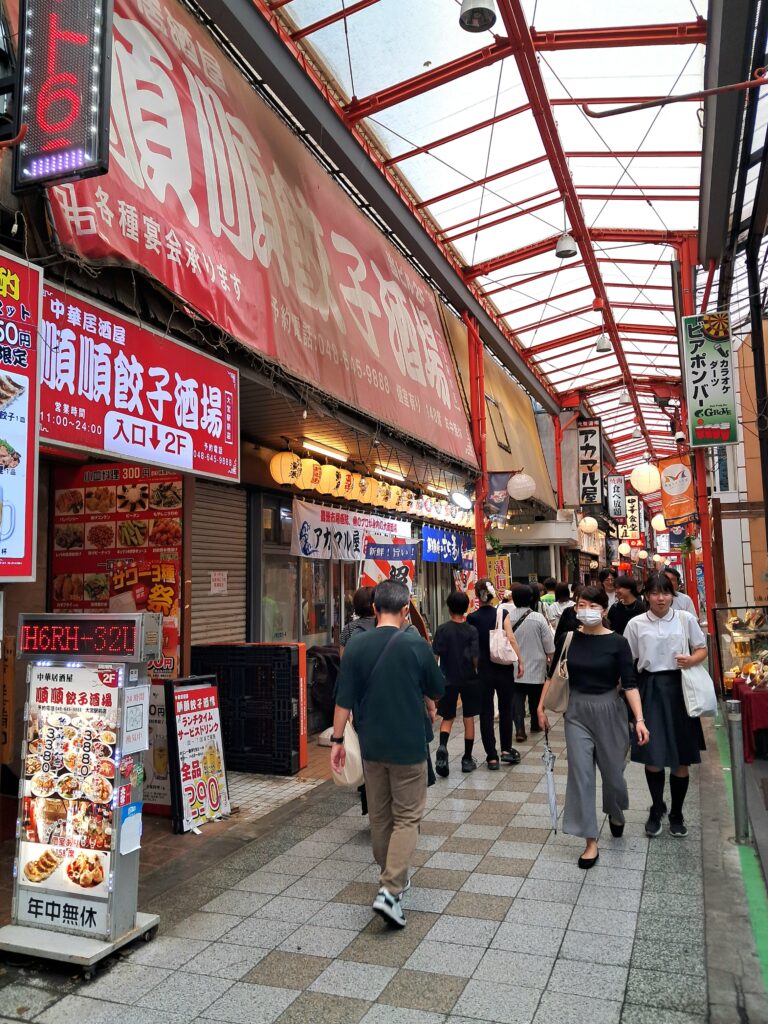
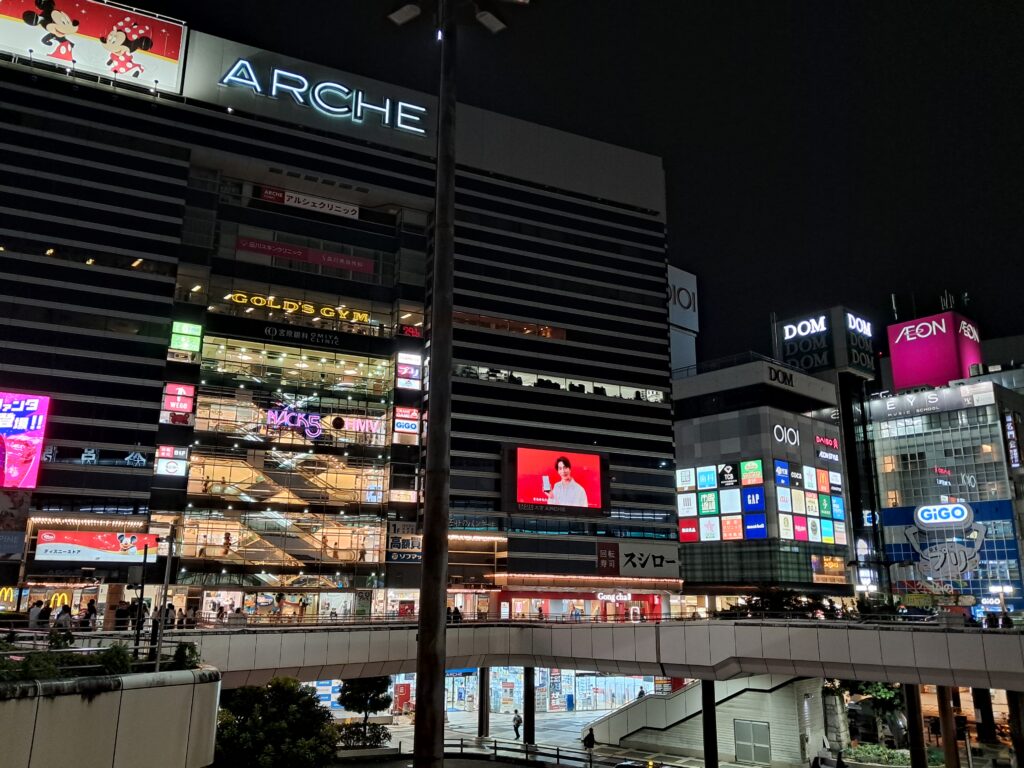
Omiya in Saitama City boasts an entertainment district that represents not just Saitama City, but all of Saitama Prefecture.
With a massive terminal station served by railway networks connecting to the Tokyo area and Shinkansen lines providing access to regional areas, the front of the station gives off an urban vibe that looks like it could be anywhere in Tokyo.
Omiya, which draws people from all over Saitama Prefecture, is a paradise for urban tourism purposes like gourmet food and shopping.
At the same time, it is dotted with historic highlights and nature-rich parks, making it a wonderful city that shows you a new side no matter how many times you visit.
Comments